
Polish Food
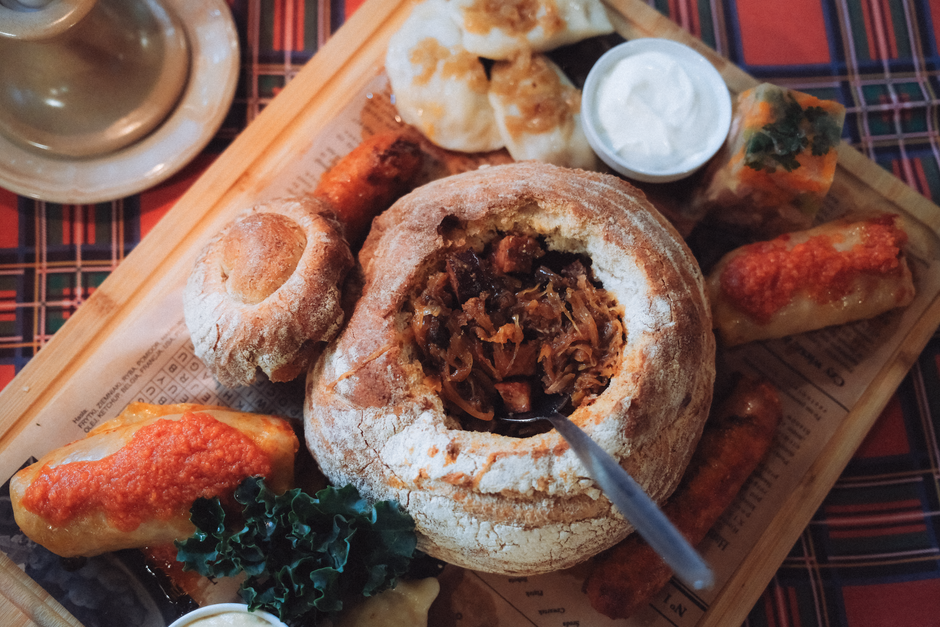
Polish food is built on a small set of hardworking staples: cured pork, cabbage in both fresh and fermented form, rye flour, dairy like sour cream and farmer's cheese, and dried mushrooms and dill for depth. Dishes like pierogi, bigos, żurek, and kotlet schabowy repeat these same building blocks in different combinations, which is why stocking a handful of specific ingredients unlocks most of the cuisine.
Varieties
Kielbasa is a category, not one sausage: kielbasa wiejska is coarse and garlicky, kielbasa myśliwska is drier and more heavily smoked for hunting trips, and biała kiełbasa (white sausage) is fresh and uncured, meant to be boiled or fried before eating rather than eaten cold.
Buying tips
Look for Polish delis or Eastern European grocery stores for authentic kielbasa wiejska, twaróg, and jarred kiszone ogórki (fermented pickles); mainstream supermarket 'Polish sausage' is often milder and less garlicky than the real thing. Check sauerkraut labels for 'naturally fermented' rather than vinegar-brined for a flavor closer to homemade kapusta kiszona.
Substitutes
Kielbasa substitute: Polish-style smoked sausage from a German or Ukrainian deli, or andouille — 1:1 by weight
True Polish kielbasa wiejska is garlicky and coarsely ground; andouille is spicier and smokier but works in bigos or soups where it's simmered.
Twaróg (farmer's cheese) substitute: dry-curd cottage cheese, drained and pressed — 1:1 by weight
Press drained cottage cheese through a fine sieve or cheesecloth for 20-30 minutes to remove excess moisture before using in pierogi or sernik filling.
Kapusta kiszona (Polish sauerkraut) substitute: German-style sauerkraut, rinsed — 1:1 by weight
German sauerkraut is often more vinegary; rinse and drain it briefly to bring the sourness closer to the milder, longer-fermented Polish version.
Smalec (seasoned pork lard) substitute: rendered bacon fat mixed with a pinch of allspice and marjoram — 1:1 by weight
Smalec is traditionally spread on rye bread; bacon fat lacks the onion and apple usually cooked into it, so simmer minced onion into the fat first.
Marjoram substitute: dried oregano, reduced amount — 1:2 (use half as much oregano as marjoram called for)
Marjoram is essential in Polish sausages and bigos; oregano is a closer relative than basil but noticeably more pungent, so cut the quantity.
Storage
Fresh kielbasa keeps 3-4 days refrigerated and freezes well for up to 2 months wrapped tightly. Sauerkraut lasts several weeks refrigerated in its own brine once opened. Twaróg spoils faster than aged cheese, so use within 4-5 days of opening. Uncooked pierogi freeze well on a floured tray before being bagged, and can go straight from freezer to boiling water without thawing.
How to use
Kielbasa is simmered whole in bigos and żurek, or pan-seared and sliced for a plate with mustard and rye bread. Sauerkraut is cooked low and slow in bigos or used raw as a crunchy side. Twaróg fills naleśniki (crepes) and pierogi ruskie, or gets sweetened with sugar and raisins for a dessert filling. Dill is added at the end of cooking to soups like żurek and to cucumber salads, since long cooking dulls its flavor.
What it pairs with
Rye bread, spicy mustard, and dill pickles are the standard accompaniments to kielbasa and cold cuts. Bigos and pierogi both pair well with a cold beer or a shot of clear żubrówka-style vodka. Sour cream is spooned onto nearly everything, from pierogi to beet soup.
Nutrition
Traditional Polish meals lean on cured pork, dairy, and starches, so they tend to be high in saturated fat and sodium; fermented cabbage dishes contribute vitamin C and probiotics that offset some of the heaviness.
FAQ
What is the most essential Polish dish to start with?
Pierogi are the most approachable starting point; the dough and basic potato-cheese filling use ingredients found in any supermarket, unlike dishes that depend on specific smoked meats.
Is Polish food the same as Russian or Ukrainian food?
They overlap heavily due to shared history, but Polish cuisine leans more on marjoram, caraway, and pork, while using less sour cream in soups than Russian cooking and less garlic than Ukrainian cooking.
What can replace sour cream in Polish recipes if I need something less tangy?
Full-fat Greek yogurt works in cold applications like cucumber salad, but for hot soups like żurek, stir in a spoonful of the hot broth first so the dairy doesn't curdle when added.
Why does Polish sauerkraut taste different from German sauerkraut sold in the US?
Polish kapusta kiszona is typically fermented longer with less added vinegar, giving it a softer texture and a rounder sourness rather than the sharper tang of quick vinegar-brined versions.
Have polish food on hand? Find recipes with our Recipe Generator →