
Protein Bowls
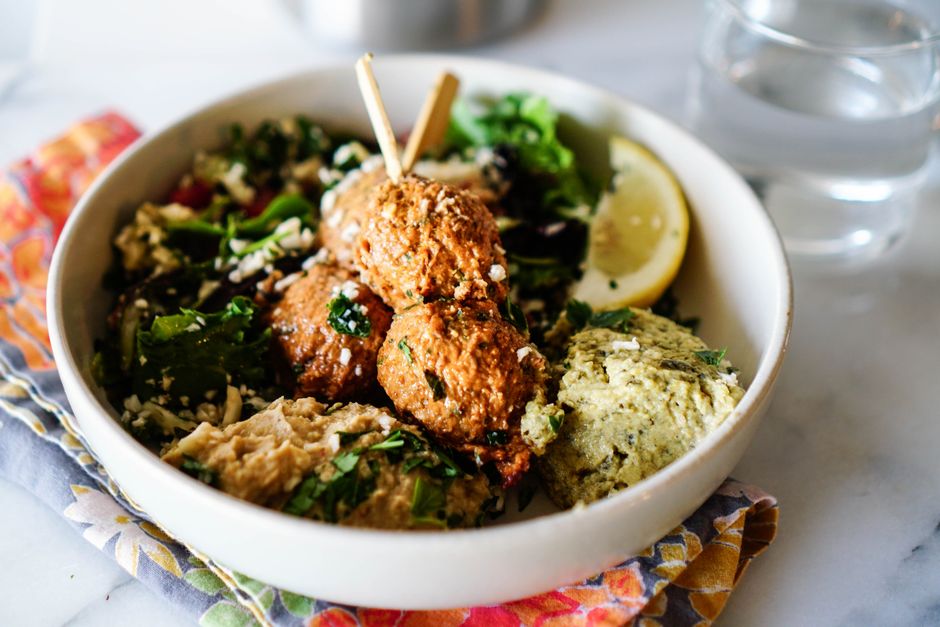
A protein bowl is a single-dish meal built from four parts: a base (grain, greens, or noodles), a protein (roughly 4 to 6 ounces cooked per serving), a mix of raw or roasted vegetables, and a sauce that ties it together. It's less a recipe than a formula, which is why the protein component is the part most worth substituting depending on what's on hand or what macros you're targeting. Grilled chicken breast, diced, is the most common default protein, and the substitutes below are given relative to 1 cup of cooked, ready-to-eat protein so a bowl recipe's macros stay accurate no matter which one goes in.
Varieties
Grain bowls emphasize the starch and vegetables with protein as a smaller add-on, while protein bowls are built protein-first, with everything else scaled around it. Poke bowls are a specific subtype built on raw marinated fish over rice and are not interchangeable with cooked-protein bowls in prep method or food safety handling.
Buying tips
Buy chicken breast or thighs in bulk and portion before freezing to make weekly assembly faster. For plant proteins, canned beans and chickpeas are more consistent in texture than dried batches cooked at home unless there's time to soak and simmer properly.
Substitutes
Extra-firm tofu, pressed and pan-fried, cubed — 1:1 by volume
Lower in protein per cup than chicken but higher in fat from the pan-fry; press for at least 20 minutes first or it won't crisp.
Canned chickpeas, drained and roasted — 1:1 by volume
Much lower protein per cup and higher carbs than chicken; works best paired with a high-protein sauce like a yogurt-tahini blend to balance the meal.
Black beans, cooked — 1:1 by volume
Adds significant fiber and carbs; a common choice for burrito-style bowls rather than Mediterranean-style ones.
Ground turkey (93% lean), cooked and crumbled — 1:1 by volume
Higher in fat and calories than chicken breast but similar protein; browns quickly so watch for overcooking into dry crumbles.
Salmon, grilled or baked, flaked — 1:1 by volume
Comparable protein to chicken with added omega-3 fat; pairs better with rice, cucumber, and soy-based sauces than with Tex-Mex bowls.
Shelled edamame, cooked — 1:1 by volume
A vegetarian option with a more complete amino acid profile than most beans; adds noticeable carbs alongside the protein.
Storage
Assembled protein bowls keep for 3 to 4 days refrigerated if stored in airtight containers with the sauce kept separate until serving. Keep anything crisp, like lettuce or fresh cucumber, in its own small container and add it right before eating so it doesn't wilt against warm grains or wet sauce.
How to use
Cook the base and protein in batches at the start of the week, then reheat portions and add cold or raw components fresh each day. Warm grains and proteins can go in the same container reheated together; cold vegetables and sauces should always be added after reheating, not before.
What it pairs with
Rice, quinoa, or farro work as neutral bases for any protein listed above. Tahini-lemon sauce and soy-ginger dressing both pair well with tofu, salmon, or edamame; a lime-cumin crema or salsa pairs better with black beans, chicken, or ground turkey.
Nutrition
A balanced protein bowl generally aims for 25 to 40 grams of protein per serving, which is why the protein component's exact swap matters more here than in most dishes: plant-based swaps like chickpeas or black beans roughly halve the protein per cup compared to chicken or turkey and need a second protein source, like eggs or extra beans, to hit the same total.
FAQ
How much protein should go in one bowl?
About 4 to 6 ounces of cooked protein per serving is standard, which is roughly 3/4 to 1 cup depending on how it's cut or crumbled.
Can protein bowls be frozen?
The cooked protein and grain freeze well for up to 2 months in separate containers, but fresh vegetables and sauces should be added after thawing, not frozen with the rest.
Do protein bowls need a sauce?
Not strictly, but a sauce or dressing is what keeps a bowl of dry grain, protein, and vegetables from tasting disjointed; even a squeeze of citrus with olive oil and salt makes a noticeable difference.
Is a protein bowl the same as a Buddha bowl?
Not exactly. Buddha bowls are typically vegetarian or vegan by definition and vegetable-forward, while protein bowls are defined by having a substantial protein portion regardless of whether it's animal or plant based.
Have protein bowls on hand? Find recipes with our Recipe Generator →