
Protein Oatmeal
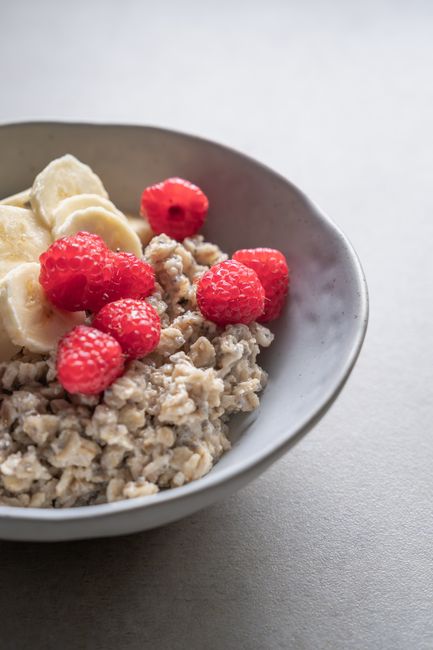
Protein oatmeal is regular rolled or steel-cut oats cooked or mixed with an added protein source, usually whey, casein, or plant-based protein powder, cottage cheese, Greek yogurt, or egg whites, to raise the protein content well above what oats provide on their own (about 5 grams per half-cup dry). It can be a packaged mix (like Kodiak Cakes or Quest oatmeal) or made at home by stirring protein powder or dairy into a normal bowl of oats after cooking.
Varieties
Steel-cut protein oatmeal holds its texture better and resists getting gummy when reheated compared to rolled oats, but takes longer to cook (about 20-25 minutes versus 5 for rolled oats), making rolled oats more common in quick homemade versions.
Buying tips
If buying a packaged protein oatmeal mix, check the ingredient list for the protein source listed early (whey concentrate or isolate, pea protein, or milk protein) rather than buried after several fillers, and compare grams of protein per serving since some brands market the name but only add 8-10 grams.
Substitutes
Rolled oats + 1 scoop (about 30g) whey or casein protein powder — 1 scoop per 1/2 cup dry oats
Stir the powder in after cooking, off the heat, since direct boiling with whey protein can make it clump and turn slightly rubbery.
Cottage cheese blended into cooked oats — 1/2 cup cottage cheese per 1/2 cup dry oats
Blend the cottage cheese smooth first if you don't want visible curds; adds about 12-14g of protein and a creamier texture.
Egg whites stirred in during the last few minutes of cooking — 2 egg whites per 1/2 cup dry oats
Add gradually while stirring constantly over low heat so they cook into the oats instead of scrambling into separate curds.
Plain Greek yogurt stirred in after cooking — 1/2 cup yogurt per 1/2 cup dry oats
Adds roughly 12g of protein and a tangy flavor; stir in once the oats have cooled slightly so the yogurt doesn't separate or thin out.
Unflavored collagen peptides — 1-2 scoops (10-20g) per 1/2 cup dry oats
Dissolves completely with no clumping or flavor change, but collagen is not a complete protein, so it's a weaker substitute nutritionally than whey or casein.
Storage
Cooked protein oatmeal keeps in an airtight container in the refrigerator for up to 4 days. It thickens significantly as it cools, so stir in a splash of milk or water when reheating. Dry protein oatmeal mixes (oats premixed with protein powder) store like any dry pantry good, in a sealed container in a cool, dark place for several months.
How to use
Works as a base breakfast bowl topped with fruit, nut butter, or seeds; can be baked into protein oatmeal bars by pressing a thicker mixture into a pan and baking at 350°F for 20-25 minutes; also works cold as overnight oats when mixed with milk, yogurt, or protein powder and refrigerated overnight.
What it pairs with
Pairs well with sliced banana, berries, cinnamon, and a spoonful of nut butter for balance against the higher protein density; also works with a drizzle of honey or maple syrup since added protein powders can taste flat or slightly chalky on their own.
Nutrition
A standard bowl of protein oatmeal made with 1/2 cup dry oats and one scoop of whey protein powder runs roughly 300-350 calories and 25-30 grams of protein, compared to about 5-6 grams of protein from plain oats alone.
FAQ
Why does protein oatmeal sometimes turn gluey or rubbery?
This usually happens when whey protein powder is added while the oats are still actively boiling. High heat causes whey proteins to seize up. Stir the powder in after removing the pot from heat, once the oats have cooked through.
Can I use plant-based protein powder instead of whey?
Yes, though pea or rice protein powders tend to make the oatmeal slightly grainier in texture than whey, and often need an extra splash of milk to smooth out.
How much protein powder is too much in one bowl?
Beyond about 1.5 scoops (45g) per half-cup of dry oats, most protein powders start to overpower the oats' flavor and can make the texture pasty rather than creamy.
Is protein oatmeal healthier than regular oatmeal?
It's not inherently healthier, but it shifts the meal toward more protein and typically more staying power before hunger returns, which matters more for some diets and training goals than for general nutrition.
Have protein oatmeal on hand? Find recipes with our Recipe Generator →