
Queso Blanco
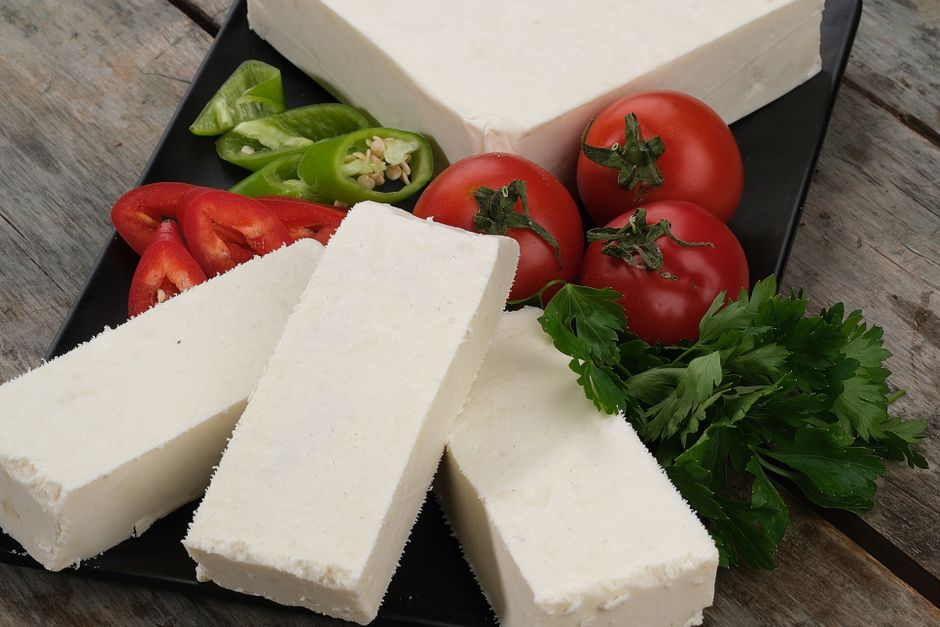
Queso blanco ("white cheese") is a fresh, unaged Latin American cheese made by curdling milk with an acid like vinegar or lemon juice rather than rennet. That acid-set process gives it a firm, dense, slightly rubbery texture and a mild, milky, faintly salty flavor. Its defining trait is that it softens but does not melt when heated, which is why it's the cheese of choice for frying, grilling, and baking into dishes where you want the shape to survive the heat.
Varieties
Queso blanco and queso fresco are often used interchangeably in recipes, but they're not identical: queso fresco is typically made with a bit of rennet and crumbles more finely, while true queso blanco is acid-set and firmer, which is why it's the one specifically labeled for frying (sometimes sold as "queso blanco frito" or "queso para freir"). In some regions the name queso blanco is also used generically for any fresh white cheese, so texture at the store can vary by brand.
Buying tips
Look for a block that feels firm and slightly springy, not dry or cracked at the edges. Check the label for pasteurized milk if that matters to you, and buy from a store with good turnover since fresh cheeses don't have long shelf lives even unopened.
Substitutes
Paneer — 1:1
Made the same acid-curdling way and nearly identical in texture and non-melting behavior; slightly less salty, so add a pinch of salt.
Queso fresco — 1:1
Softer and more crumbly, with a tangier flavor; works for crumbling on top of dishes but falls apart more easily if fried.
Halloumi — 1:1
Firmer and saltier, but shares the same fry-without-melting quality; rinse briefly to cut down the brine before using.
Farmer's cheese — 1:1
Similar dense, mild curd; slightly softer texture so it's better for spreading or crumbling than for pan-frying.
Ricotta salata — 3:4
Drier and saltier, so use a bit less than the amount of queso blanco called for and crumble rather than slice.
Storage
Keep queso blanco wrapped tightly in plastic or in its original sealed packaging in the refrigerator. Once opened, store any leftover block submerged in its own brine or a light saltwater solution in an airtight container; it stays fresh for about a week to ten days this way.
How to use
Slice into thick planks and pan-fry or grill until golden on both sides (it softens but keeps its shape), crumble over refried beans, rice, or salads, or cube it into soups like caldo where it holds together instead of dissolving. It's also common baked into casseroles and enchiladas as a topping layer.
What it pairs with
Pairs well with black beans, corn, roasted poblanos, avocado, and anything with a chili-lime kick. It also holds up nicely alongside grilled meats and in tacos where you want a cheese that stays intact under heat.
Nutrition
Queso blanco is high in protein and calcium and moderate in fat, similar to other fresh curd cheeses. Sodium content varies a lot by brand since some are brined more heavily than others.
FAQ
Does queso blanco melt like mozzarella?
No. It softens and browns when heated but keeps its structure rather than becoming liquid, which is the whole reason it's used for frying and grilling.
Is queso blanco the same as queso fresco?
They're closely related but not identical. Queso fresco is generally softer and crumblier, while queso blanco is firmer and specifically bred to hold up to frying.
Can queso blanco be eaten without cooking it?
Yes, it's a fresh cheese and safe to eat straight from the package once pasteurized; it's commonly crumbled raw over beans, salads, and tacos.
What's the best way to fry queso blanco without it sticking?
Pat slices dry, use a well-heated nonstick or cast iron pan with a thin layer of oil, and avoid moving the cheese until a golden crust forms on the first side, which releases it naturally.
Have queso blanco on hand? Find recipes with our Recipe Generator →