
Rasmalai
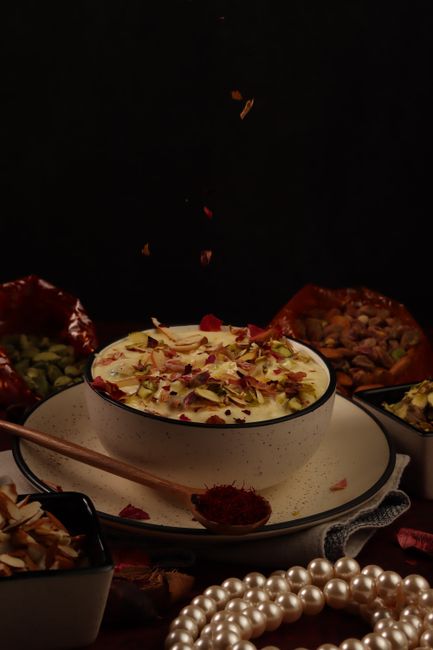
Rasmalai is a Bengali-origin Indian dessert made from flattened discs of chenna (fresh, curdled milk cheese) that are simmered until spongy, then soaked in rabri, a reduced and sweetened milk flavored with cardamom and saffron. The chenna discs absorb the milk and become soft and creamy rather than syrupy, which is what separates rasmalai from its close relative rasgulla.
Varieties
Rasmalai is often confused with rasgulla, but rasgulla is served in a thin sugar syrup with no milk soak, while rasmalai is soaked specifically in thickened, spiced milk. Bengali-style rasmalai tends to use flatter, wider discs, while some North Indian versions use smaller, rounder pieces closer in shape to rasgulla.
Buying tips
At Indian sweet shops, buy rasmalai from the refrigerated case rather than the room-temperature counter, and check that the rabri looks thick and slightly clotted rather than thin and watery. The discs should look pale and slightly flattened, not perfectly round and bouncy, which usually signals an overcooked, rubbery texture.
Substitutes
Rasgulla soaked in warm rabri — 1:1
Rasgulla is already cooked in sugar syrup; draining the syrup and soaking the balls in reduced sweetened milk for a few hours gets close to true rasmalai texture and flavor.
Fresh paneer discs simmered in sweetened milk — 1:1 by piece
Faster than making chenna from scratch, but paneer is firmer and less spongy since it isn't kneaded the same way; simmer gently so the discs don't turn dense.
Ricotta-based pressed discs — 1:1
Whole-milk ricotta pressed briefly to remove excess whey and shaped into discs gives a softer, less springy bite, but works in a pinch for a quicker version.
Gulab jamun served in cardamom milk — 1:1
Fried and denser than rasmalai, with a stronger caramelized sweetness; a reasonable stand-in on a dessert platter but not a true texture match.
Storage
Keep rasmalai fully submerged in its rabri in an airtight container in the refrigerator; it stays good for 3 to 4 days. Do not freeze, since the milk separates and the chenna discs turn grainy and watery once thawed.
How to use
Serve chilled, straight from the rabri, garnished with slivered pistachios and a few saffron threads. It also works spooned over kulfi, layered into a fusion trifle with cake or biscuit crumbs, or blended (chenna and rabri together) into a quick no-bake cheesecake filling.
What it pairs with
Saffron, cardamom, rose water, and pistachio are the classic flavor partners. On a dessert table it pairs well alongside gulab jamun or kulfi, since all three share the same cardamom-and-milk flavor base without competing.
Nutrition
Rasmalai is high in sugar and dairy fat from the reduced milk, with meaningful calcium and protein from the chenna. A single serving is calorie-dense, so portions at Indian sweet shops are typically small, one or two discs per bowl.
FAQ
What's the actual difference between rasmalai and rasgulla?
Rasgulla is chenna balls cooked and served in a light sugar syrup. Rasmalai starts from the same chenna base but the discs are pressed flatter and soaked in rabri, a reduced, cardamom-scented milk, giving it a creamier, less syrupy result.
Why did my homemade rasmalai turn out rubbery?
Overcooking the chenna discs in boiling syrup, or kneading the chenna too little before shaping, is the usual cause. Simmer the discs at a gentle rolling boil, not a hard boil, and knead the fresh chenna until it's smooth and slightly greasy before shaping.
Can rasmalai be frozen for later?
It's not recommended. The rabri's milk proteins separate on thawing, leaving a grainy, watery texture that doesn't recombine no matter how much it's stirred or reheated.
How far ahead can rasmalai be made for a party?
It actually improves after a day or two in the refrigerator, since the chenna discs have more time to absorb the rabri. Make it up to 2 days ahead and store covered and chilled until serving.
Have rasmalai on hand? Find recipes with our Recipe Generator →