
Raspberry Tea
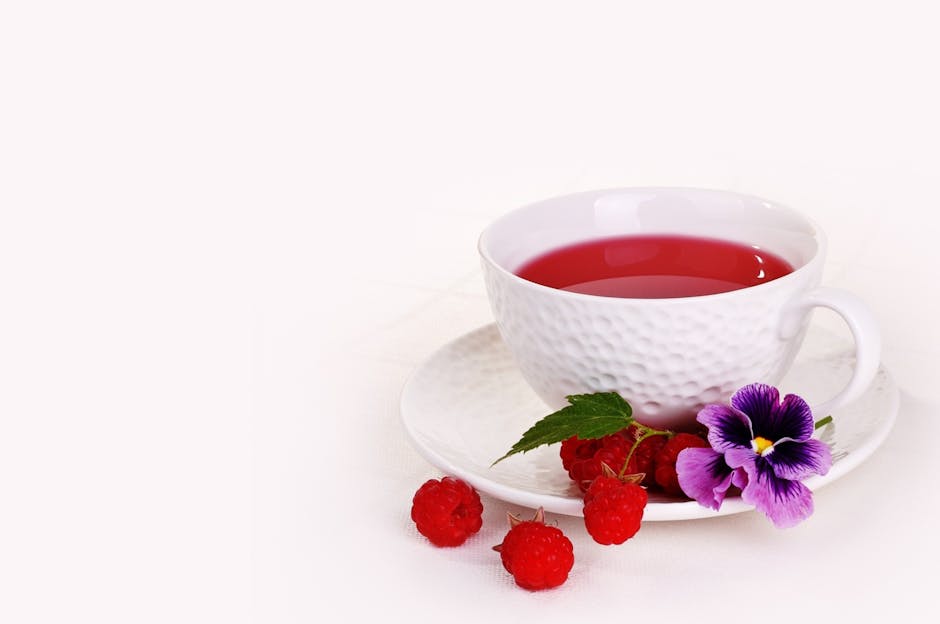
Raspberry tea is actually two different drinks that share a name. Red raspberry leaf tea is an herbal tisane made from the dried leaves of the raspberry plant (Rubus idaeus), earthy and slightly astringent, traditionally drunk for its mild tannin content. Raspberry fruit tea is a black, green, or herbal tea base blended with dried raspberry pieces or raspberry flavoring, fruity and tart rather than leafy. Both are naturally caffeine-free unless brewed with an actual black or green tea base.
Varieties
Red raspberry leaf tea (from the plant's leaves) and raspberry fruit tea (flavored with dried raspberries or raspberry extract, usually on a black or green tea base) are not interchangeable in flavor. Leaf tea is earthier and more astringent; fruit tea is sweeter and more clearly berry-flavored.
Buying tips
Check the ingredient list before buying: some products labeled 'raspberry tea' are just black tea with raspberry flavoring and no actual raspberry leaf or fruit, while others contain real dried raspberry pieces or leaf. Whole-leaf raspberry leaf tea generally tastes fuller and less bitter than the cut-and-sifted kind found in cheap tea bags.
Substitutes
Hibiscus tea — 1:1
Similar deep red color and comparable tartness, though hibiscus is sharper and more acidic than raspberry leaf or fruit tea.
Rosehip tea — 1:1
Tart and fruity with a similar reddish infusion; higher in vitamin C and slightly more sour than raspberry tea.
Strawberry leaf tea — 1:1
Closest match for red raspberry leaf tea specifically; same herbal, faintly grassy character with a touch more sweetness.
Black tea with a few crushed fresh or frozen raspberries added — 1 tsp loose black tea plus 2-3 crushed raspberries per cup
Good stand-in for raspberry fruit tea blends; adds real fruit flavor and light natural sweetness but introduces caffeine.
Mixed berry herbal tea (hibiscus, elderberry, blackberry leaf blends) — 1:1
Broader berry flavor than pure raspberry, works well when raspberry tea isn't on hand and a fruity herbal profile is what matters.
Storage
Keep dried raspberry leaf or raspberry fruit tea in an airtight tin or resealable bag away from light and heat. Whole leaf tea holds its flavor for up to a year; cut-and-sifted or fruit-blended tea fades faster and is best used within 6 to 8 months. Brewed tea keeps refrigerated for about 2 days before the flavor turns flat.
How to use
Brew raspberry leaf tea with one to two teaspoons of dried leaf per cup of just-boiled water, steeped 5 to 8 minutes since it needs longer than most herbal teas to release its flavor. Raspberry fruit tea steeps faster, 3 to 5 minutes. Serve hot with honey, cold over ice, or reduce a strong-brewed batch on the stovetop into a syrup for glazing cakes or sweetening lemonade.
What it pairs with
Pairs well with honey, fresh lemon, mint, or a cinnamon stick. Works nicely alongside chocolate desserts, lemon cake, or vanilla-based pastries, and makes a good base for iced tea blended with lemonade.
Nutrition
Brewed unsweetened raspberry tea has essentially no calories. Red raspberry leaf contains tannins along with small amounts of manganese and vitamin C; it's the herb most associated with folk use for easing labor and menstrual cramps, though clinical evidence for this is limited and inconsistent.
FAQ
Is raspberry leaf tea safe to drink during pregnancy?
Many midwives recommend it in the third trimester, but it's traditionally avoided earlier in pregnancy because of its purported uterine-stimulating effects. Anyone pregnant should check with a doctor or midwife before drinking it regularly.
Does raspberry tea have caffeine?
Pure red raspberry leaf tea and raspberry fruit tisanes made on an herbal base are naturally caffeine-free. Raspberry-flavored black or green tea blends do contain caffeine from the tea base.
Can you make raspberry tea from fresh raspberries instead of dried leaves?
Yes. Simmer a handful of fresh or frozen raspberries in water for about 5 minutes, then strain; this makes a fruit-forward infusion closer to raspberry fruit tea than to the herbal leaf version.
Why does raspberry leaf tea taste bitter?
Over-steeping is the usual cause. Its tannins turn astringent past about 8 to 10 minutes, so pulling the leaves or tea bag out on time keeps it from tasting harsh.
Have raspberry tea on hand? Find recipes with our Recipe Generator →