
Roasting
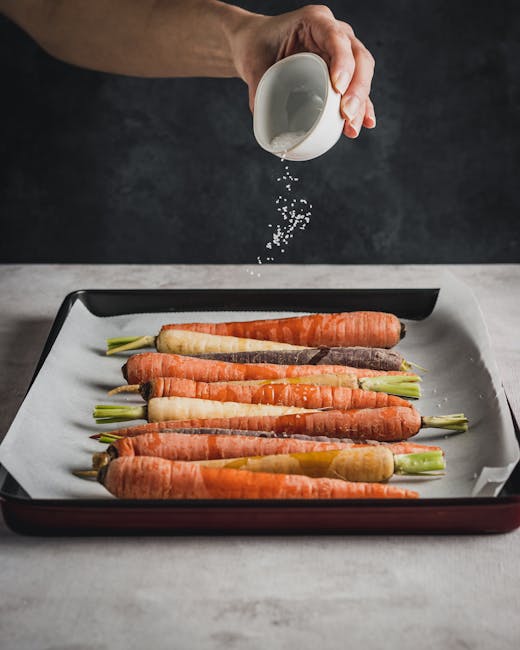
Roasting is dry-heat cooking in an oven, typically at 400°F (204°C) or higher, that browns the surface of food through the Maillard reaction while the interior cooks through from surrounding hot air. The high heat and open pan (as opposed to a covered dish) let moisture evaporate off the surface quickly, which is what produces the crisp, caramelized exterior that distinguishes roasted food from baked or braised food.
Varieties
Roasting and baking use the same basic mechanism (dry oven heat) but roasting usually refers to higher temperatures and savory foods like meat and vegetables, while baking implies lower, more precise temperatures for foods with structure that needs to set, like bread or cakes. Broiling is a form of roasting from only one direction at very high, direct heat. Pan-roasting adds a stovetop sear before or after the oven step for a thicker crust than an oven alone produces.
Buying tips
A heavy-gauge, rimmed aluminum sheet pan holds heat evenly and won't warp at high temperatures the way thin pans do. A wire roasting rack set inside a pan lifts meat and poultry off the surface so hot air circulates underneath and the skin crisps rather than steaming in its own juices. An instant-read thermometer is the only reliable way to know when a roast is actually done, since size and shape vary too much to trust time alone.
Substitutes
Broiling — n/a, use top rack close to element
Direct radiant heat from above cooks faster and browns harder than roasting, but only on the side facing the heat. Flip halfway and watch closely since broilers can go from browned to burnt in under a minute.
Grilling — n/a, medium-high direct heat
Gives similar caramelization plus smoke flavor roasting can't replicate, but works best for pieces small or thin enough to cook through before the outside chars.
Pan-roasting (stovetop sear, oven finish) — n/a
Searing in an oven-safe skillet then transferring to a hot oven gives a harder crust than roasting alone, standard for thick steaks, chicken breasts, and chops.
Air frying — n/a, usually 25°F lower than a roasting oven temp
Circulates hot air at close range around smaller batches, browning faster than a full-size oven. Good substitute for roasting vegetables or small cuts when the oven is occupied.
Storage
Cool roasted food to room temperature before storing to avoid trapping steam, which softens the crust. Refrigerate in a shallow airtight container for 3 to 4 days for vegetables and most meats. Reheat in a 400°F oven or air fryer for 8 to 10 minutes to bring back crisp edges; microwaving turns roasted food soft and steamy instead.
How to use
Vegetables like carrots, potatoes, Brussels sprouts, and squash roast well at 400-450°F, tossed in oil and spread in a single layer so steam can escape instead of pooling. Whole chickens and large cuts of meat typically roast at 375-425°F, sometimes starting hotter to brown the skin and finishing lower to cook through evenly. Nuts and seeds roast (often called toasting) at 325-350°F for 8-12 minutes. The common thread across all of it is heat above about 400°F and enough space between pieces for hot air to circulate.
What it pairs with
Roasted food's caramelized, slightly sweet edges pair well with something acidic or fresh to cut the richness: a squeeze of lemon, a vinegar-based dressing, or chopped fresh herbs like parsley or mint scattered on right before serving.
Nutrition
Roasting needs far less added fat than frying, usually just enough oil to coat the surface, so it produces lower-fat results than deep-frying or pan-frying in a pool of oil. Because there's no water bath involved, roasting also retains more water-soluble vitamins like vitamin C and B vitamins than boiling does, though prolonged high heat still degrades some of them.
FAQ
What temperature should I roast vegetables at?
400-425°F works for most vegetables. Root vegetables like potatoes and carrots can handle 425-450°F for a harder, more caramelized exterior since they need longer to cook through.
Do I need oil to roast something?
A thin coat of oil helps conduct heat evenly and promotes browning, but it's not strictly required for foods with their own fat, like chicken thighs with the skin on.
Why isn't my roasted food browning?
Usually it's overcrowding. Pieces piled too close together trap steam, which keeps the surface wet and prevents browning no matter how hot the oven is. Spread food in a single layer with visible gaps between pieces.
Is roasting the same as baking?
They use the same dry-oven-heat mechanism, but roasting typically means higher heat (400°F+) for savory foods like meat and vegetables, while baking usually means lower, more controlled heat for foods like bread, cakes, and casseroles where structure matters more than surface browning.
Have roasting on hand? Find recipes with our Recipe Generator →