
Rockfish
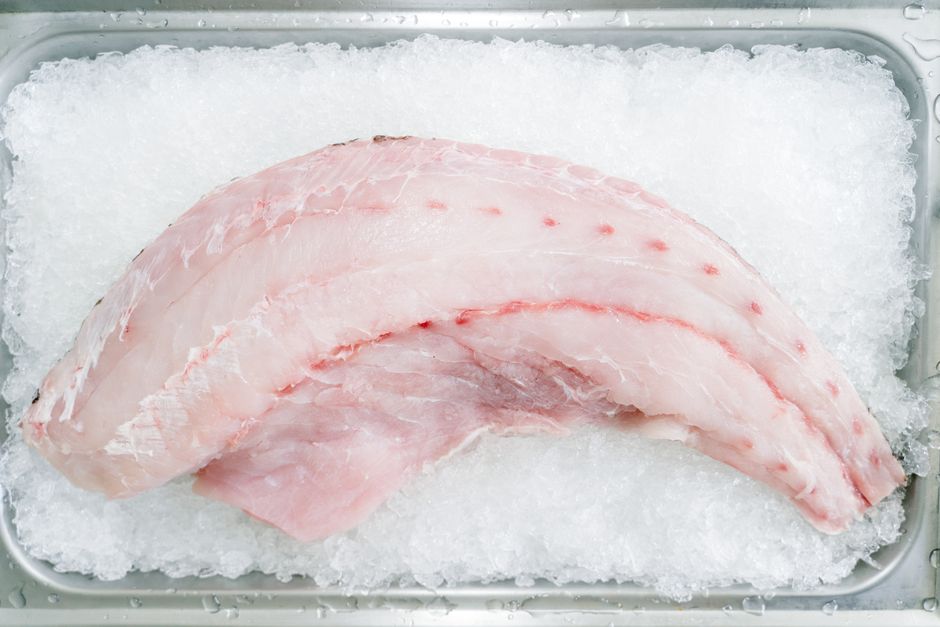
Rockfish is a name that covers more than 100 species in the genus Sebastes found along the Pacific coast, sold as fillets under names like Pacific snapper or Pacific red snapper even though they aren't true snapper. The flesh is white, firm, and mild with large, moist flakes. Confusingly, on the East Coast (especially around the Chesapeake Bay) "rockfish" refers to a completely different fish, striped bass, so it's worth checking which one a recipe or fish counter actually means before buying.
Varieties
On the Pacific coast, rockfish means one of over 100 Sebastes species, from black rockfish to canary rockfish, sold interchangeably as fillets. On the Atlantic side, particularly around the Chesapeake Bay, "rockfish" is the local name for striped bass, a firmer, richer-tasting fish from an entirely different family. Recipes calling for rockfish should specify a coast or species when precision matters.
Buying tips
Because "rockfish" covers so many species, ask the fish counter which specific species is in the case, since quality and price vary widely. Fillets should look translucent and moist with no browning at the edges, and whole fish should have clear, bulging eyes and bright red gills with no ammonia smell.
Substitutes
Red snapper — 1:1 by weight
Similar firm, mild white flesh and a common stand-in since much market rockfish is already sold as fake snapper.
Black sea bass — 1:1 by weight
Slightly sweeter and a touch more delicate, but holds up well to the same pan-searing and baking methods.
Cod — 1:1 by weight
Milder and flakier, with less bite than rockfish; good for chowder or fish tacos where texture differences matter less.
Halibut — 1:1 by weight
Firmer and leaner, so watch cook time closely since it dries out faster than rockfish.
Tilapia — 1:1 by weight
Much milder with a softer texture; workable in tacos or breaded preparations but a poor match for simple roasted or grilled dishes.
Storage
Store fresh rockfish fillets in the coldest part of the refrigerator, ideally set on a bed of ice in a container, and use within 1 to 2 days. For longer storage, wrap tightly in plastic then foil and freeze for up to 6 months; thaw overnight in the refrigerator rather than at room temperature.
How to use
Best pan-seared skin-side down until crisp, roasted whole or as fillets at 400°F for 12 to 15 minutes, or steamed with ginger and scallion in the Cantonese style. Firm enough to hold together in fish tacos, chowder, and ceviche, and mild enough to take on strong marinades without being overpowered.
What it pairs with
Pairs well with butter, lemon, garlic, capers, and white wine in simple pan sauces, and with soy, ginger, and sesame oil in Asian-style steamed or braised preparations. Tomato-based broths and fennel also complement its mild flavor in stews and chowders.
Nutrition
A lean, low-fat white fish that's a solid source of complete protein, selenium, and vitamin B12, with far less omega-3 fat than salmon or mackerel.
FAQ
Is rockfish the same as red snapper?
No, but much of the rockfish sold at fish counters is mislabeled or marketed as Pacific red snapper because the flavor and texture are close enough that the substitution goes unnoticed.
Is Chesapeake rockfish the same fish as Pacific rockfish?
No. Chesapeake rockfish is striped bass (Morone saxatilis), a different family entirely from the Pacific Sebastes species that most West Coast markets call rockfish.
Is rockfish high in mercury?
Pacific rockfish is generally rated a lower-mercury choice suitable for regular consumption, though larger, older individual fish can accumulate more than smaller ones.
Can you eat rockfish skin?
Yes, the skin is thin and crisps up well when pan-seared skin-side down in a hot, lightly oiled pan for about 4 minutes before flipping.
Have rockfish on hand? Find recipes with our Recipe Generator →