
Sambuca
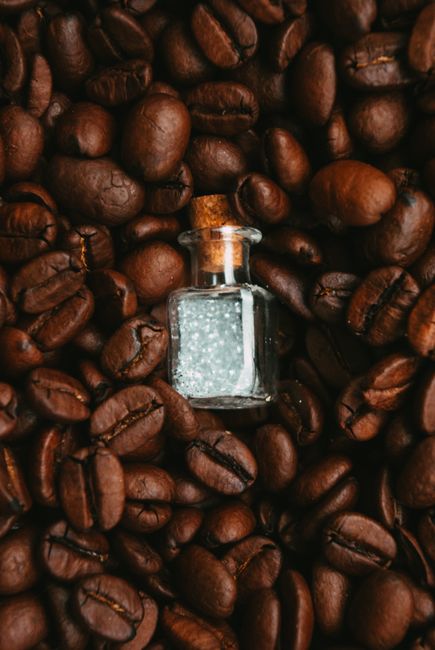
Sambuca is a strong, sweet Italian liqueur flavored primarily with star anise (sometimes green anise or a blend of both), giving it a black-licorice character. Most bottles run 38-42% ABV and carry a heavy sugar content that makes the liqueur syrupy compared to drier anise spirits like Pernod. It's traditionally served neat as a digestif with three coffee beans dropped in, but it also shows up in coffee drinks, flambeed dishes, and desserts.
Varieties
White sambuca is clear and the most common style, made with star anise and a neutral spirit base. Black sambuca (sambuca nera) is dark from added licorice root or caramel coloring and tastes more bitter and herbal. Red sambuca exists too, colored and flavored with berries, but it's less common and mostly used in colorful cocktails rather than traditional serving or cooking.
Buying tips
Standard white (clear) sambuca is the most versatile for cooking and mixing. Black sambuca (sambuca nera) has a deeper, more molasses-like flavor from added licorice root and works well in coffee drinks but can overpower delicate desserts. Check the label for star anise versus green anise; star anise versions tend to taste sweeter and less sharp.
Substitutes
Pernod or Ricard (pastis) — 1:1 by volume, add 1/2 teaspoon sugar per tablespoon
Drier and less sweet than sambuca, so a small sugar addition gets closer to the original flavor and mouthfeel.
Ouzo — 1:1 by volume, add 1/2 teaspoon sugar per tablespoon
Similar anise intensity to sambuca; Greek ouzo tends to be slightly less sweet, so adjust sugar to taste.
Anisette — 1:1
Anisette is already sweet and closest in style to sambuca, making it the easiest straight swap in both cocktails and baking.
Absinthe, diluted — 1/2 part absinthe plus 1/2 part water, then 1/2 teaspoon sugar per tablespoon
Absinthe is much stronger and more bitter, so cut it with water and sweeten before using it as a sambuca stand-in.
Anise extract plus simple syrup — 1/4 teaspoon extract and 1 tablespoon simple syrup per 1 tablespoon sambuca
Best for baking or desserts where the goal is anise flavor without adding alcohol; it won't work in a flambe or a cocktail that needs real spirit.
Crushed star anise steeped in vodka or rum — steep 3-4 whole star anise per 1/2 cup spirit for 24-48 hours, strain, then use 1:1
A homemade fix when no anise liqueur is on hand; strength varies by steep time, so taste before substituting the full amount.
Storage
Sambuca doesn't need refrigeration. Keep the bottle tightly capped, upright, and out of direct sunlight in a cabinet or bar shelf. Because of its high sugar and alcohol content, an opened bottle stays good for at least a year or two without noticeable flavor loss.
How to use
Drink it neat or on ice as a digestif, add a splash to espresso for a caffe corretto, use it to flambe shrimp or bananas, or stir a tablespoon into chocolate desserts, tiramisu, and biscotti dough for a licorice-anise note.
What it pairs with
Pairs well with dark chocolate, espresso and strong coffee, orange zest, roasted fennel, and vanilla-based desserts. In savory cooking it complements shrimp, scallops, and pork dishes finished with a flambe.
Nutrition
Sambuca is calorie-dense for its serving size, roughly 100-120 calories per 1.5-ounce shot, almost entirely from alcohol and added sugar. It has no meaningful vitamin or mineral content.
FAQ
Is sambuca the same as anisette?
They're closely related but not identical. Anisette is generally lower in alcohol and slightly less syrupy than sambuca, though the two are close enough to substitute for each other in most recipes.
Can sambuca be set on fire safely at home?
Flaming sambuca (often served with coffee beans) is a real bar trick, but it should only be done in a heatproof glass, away from flammable surfaces, and extinguished before drinking; the flame can heat the glass enough to crack it.
What's a non-alcoholic substitute for sambuca in baking?
Use anise extract mixed with simple syrup, starting with 1/4 teaspoon extract and 1 tablespoon syrup per tablespoon of sambuca called for, then adjust to taste since extract strength varies by brand.
Does sambuca go bad after opening?
No, thanks to its high alcohol and sugar content it's shelf-stable indefinitely once opened, though flavor can dull slightly after several years if stored in a warm or sunny spot.
Have sambuca on hand? Find recipes with our Recipe Generator →