
Sangria Wine
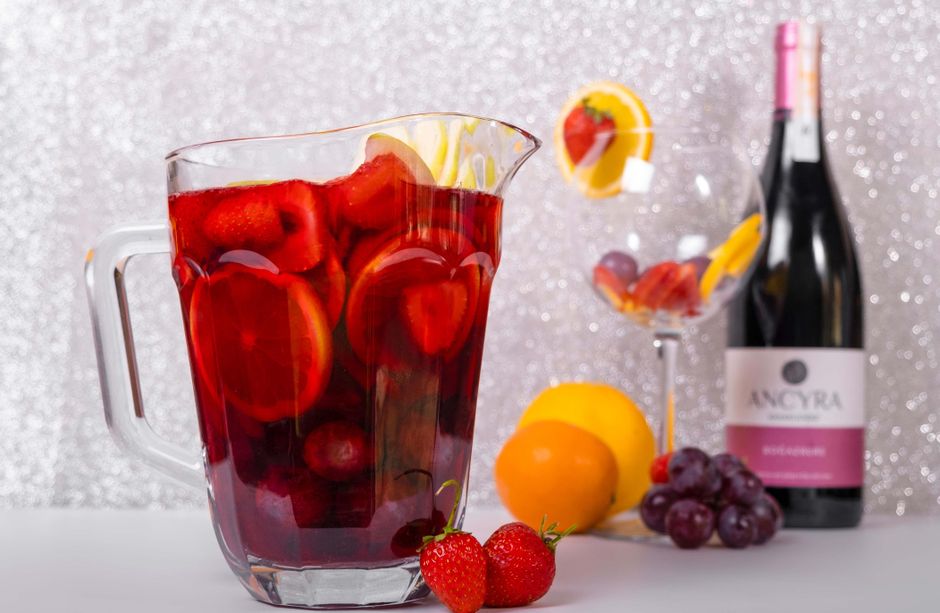
Sangria wine isn't a specific grape, it's a style: a dry, fruity, low-tannin red (most often Tempranillo or Garnacha from Spain) chosen because it holds up to added fruit, sugar, and brandy without turning bitter or muddy. Some brands also sell a pre-flavored 'sangria wine' that already has fruit essence, sugar, and sometimes a touch of brandy blended in, meant to be poured over ice with fresh fruit and little else. Both versions exist, but the base building block for homemade sangria is a plain, inexpensive dry red table wine.
Varieties
Red sangria (tinto) uses a dry red like Tempranillo or Garnacha. White sangria (blanca) swaps in a crisp dry white such as Verdejo or Albariño and typically uses lighter fruit like peach and green apple. Sparkling sangria replaces still wine with Cava or another dry sparkling wine, added just before serving so the bubbles don't go flat.
Buying tips
Look for a dry, fruit-forward red priced around 8 to 12 dollars; there's no reason to spend more since the fruit and sugar will mask subtle notes. Avoid heavily oaked or tannic wines like Cabernet Sauvignon or Nebbiolo, which turn harsh and bitter once mixed with citrus. If buying a bottle labeled 'Sangria,' check the label for added sugar and brandy since it's meant to be served with minimal additions.
Substitutes
Tempranillo or Rioja Joven — 1:1
The traditional choice; soft tannins and red-fruit flavor that won't fight with added citrus and sugar.
Garnacha (Grenache) — 1:1
Fruitier and slightly sweeter than Tempranillo, works well if the sangria recipe is already light on added sugar.
Zinfandel — 1:1
Bold and jammy; a fine substitute for winter sangrias made with pomegranate or dark cherries, less ideal with pale citrus fruit.
Dealcoholized red wine — 1:1
Keeps the wine flavor and color for a non-alcoholic version; expect noticeably less body and a slightly sweeter finish.
White grape juice with a splash of red wine vinegar — 1 cup juice plus 1 teaspoon vinegar per 1 cup wine
A fully alcohol-free workaround for mocktail sangria; the vinegar adds back the acidity wine normally provides so the fruit doesn't taste flat.
Storage
An unopened bottle keeps for months in a cool, dark spot away from heat and light. Once opened, recork tightly and refrigerate, using it within 3 to 5 days as flavor fades quickly after that. Once mixed into finished sangria with fruit, refrigerate and drink within 2 to 3 days; the fruit continues to release juice and soften the longer it sits.
How to use
Used as the base liquid for red, white, or sparkling sangria, plus mulled wine, wine spritzers, and wine-based punches. Because it's meant to carry added fruit and sugar rather than stand alone, it's rarely the right choice for sipping on its own.
What it pairs with
Pairs naturally with orange, lemon, and apple slices, cinnamon sticks, brandy or triple sec, and a splash of club soda for lightness. For white sangria, a crisp Spanish Verdejo or Albariño plays the same role that Tempranillo does in red versions.
Nutrition
A cup of dry red wine on its own runs around 200 calories with no fat or protein and a small amount of carbohydrate from residual sugar. Finished sangria carries significantly more calories once fruit juice, added sugar, and brandy or triple sec are mixed in, often 150 to 250 calories per glass depending on the recipe.
FAQ
Do I need an expensive wine to make good sangria?
No. A mid-shelf dry red or white in the 8 to 12 dollar range is standard; expensive, complex wines are wasted once mixed with fruit, sugar, and spirits.
Does sangria wine have to be Spanish?
No, though sangria originated in Spain and Tempranillo or Garnacha give the most traditional flavor. Any dry, fruity, low-tannin red or white from elsewhere works the same way.
What's the difference between sangria wine and regular table wine?
Most 'sangria wine' sold as a base is just a dry table wine chosen for low tannin and bright fruit character. Some bottled products labeled 'Sangria' already have sugar, fruit flavoring, and sometimes brandy added, making them a finished drink rather than a base ingredient.
Have sangria wine on hand? Find recipes with our Recipe Generator →