
Seder Meal
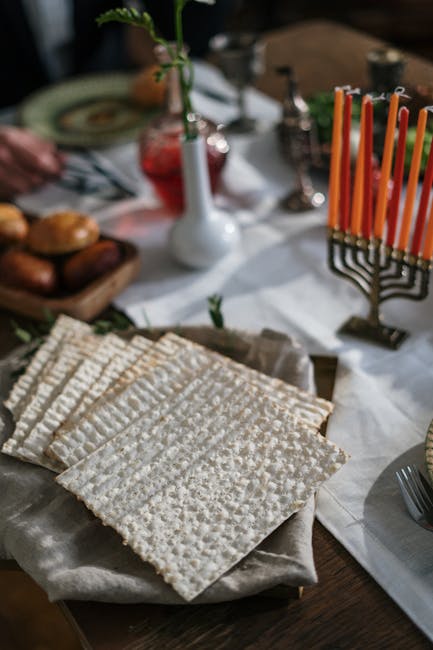
The seder meal is the ritual dinner held on the first one or two nights of Passover, built around the Haggadah, a text that guides the retelling of the Exodus story through a set order of foods, blessings, and readings. Unlike a typical holiday dinner, the seder plate itself isn't eaten as a course; it holds small symbolic portions (shank bone, egg, bitter herbs, charoset, parsley, and salt water) that are referenced at specific points before the main meal, which usually includes matzo ball soup, brisket or roast chicken, and matzo-based sides, is served.
Varieties
Ashkenazi charoset is typically apples, walnuts, cinnamon, and sweet wine, chopped to a chunky texture. Sephardic and Mizrahi charoset often uses dates, figs, or apricots blended into a thick paste, sometimes with orange zest or almonds, and tends to be sweeter and smoother than the Ashkenazi version.
Buying tips
Check that matzo, wine, and packaged goods are labeled 'Kosher for Passover,' not just 'Kosher,' since regular kosher products may still contain leavening agents forbidden during the holiday. Shank bones can be requested from a butcher counter even if not stocked on shelves; ask a few days ahead during Passover week when demand is high.
Substitutes
Roasted beet (for the shank bone) — 1 medium beet : 1 shank bone
Standard for vegetarian and vegan seders; a beet's dark red color visually echoes the blood symbolism of the paschal lamb.
Extra-strong prepared horseradish (for fresh horseradish root) — 2 tbsp jarred : 1 tbsp fresh grated
Jarred horseradish is milder once opened, so use roughly double to match the bite of freshly grated maror.
Romaine lettuce (for bitter herbs) — 1:1
Common when horseradish is too harsh for children or sensitive stomachs; the bitterness is much milder but still fulfills the ritual requirement.
Grape juice (for kosher wine) — 1:1
Used for children, pregnant guests, or anyone avoiding alcohol; all four ritual cups can be juice without changing the ceremony.
Gluten-free matzo (for wheat matzo) — 1:1
Made from oat flour certified gluten-free and kosher for Passover; texture is more crumbly, so it works better crushed into matzo balls than eaten plain.
Storage
Charoset keeps in a sealed container in the refrigerator for up to 5 days, though apples brown slightly and lose crunch after day 2. Matzo ball soup should have the matzo balls stored separately from the broth to keep them from turning mushy; both keep for 3-4 days refrigerated. Baked matzo dishes like matzo brei or kugel reheat best in a 325°F oven for about 10 minutes rather than a microwave, which turns matzo rubbery.
How to use
The seder follows fifteen steps in order: kiddush (wine), handwashing, dipping parsley in salt water, breaking the middle matzo, the Four Questions, the Exodus retelling, a second handwashing, blessings over matzo, eating bitter herbs and charoset, the Hillel sandwich, the festive meal itself, finding the hidden matzo (afikoman), grace after meals, a third cup of wine, and closing songs with a fourth cup. The main meal (soup, protein, sides) is eaten in the middle of this sequence, not at the start.
What it pairs with
A sweet Manischewitz-style red or a dry Israeli Cabernet both work for the ritual cups; charoset pairs naturally with the bitterness of maror in the Hillel sandwich. Brisket pairs well with roasted root vegetables, which echo the same earthy sweetness as charoset.
Nutrition
Matzo ball soup and brisket are the heaviest sodium sources in a typical seder meal, often exceeding half a day's recommended sodium in a single bowl of soup. Matzo itself is low in fat but also low in fiber compared to regular bread, since it's unleavened and made from just flour and water.
FAQ
Why is matzo eaten instead of bread during the seder meal?
Matzo commemorates the Israelites leaving Egypt in haste, without time to let bread dough rise, so unleavened bread became the required food for Passover.
Can the seder plate items be eaten as part of the meal?
They're eaten only in the small ritual amounts specified during the Haggadah, at specific steps like maror and the Hillel sandwich; they aren't served again as part of the main courses.
What if someone at the table can't eat gluten?
Certified gluten-free, kosher-for-Passover matzo made from oat flour is widely available and fulfills the ritual matzo requirement, though it's more crumbly than wheat matzo.
How many people traditionally attend a seder meal?
There's no fixed number required; seders range from an immediate family of four to large community gatherings of 20 or more, since the text explicitly welcomes guests who don't have a seder of their own.
Have seder meal on hand? Find recipes with our Recipe Generator →