
Shoyu Ramen
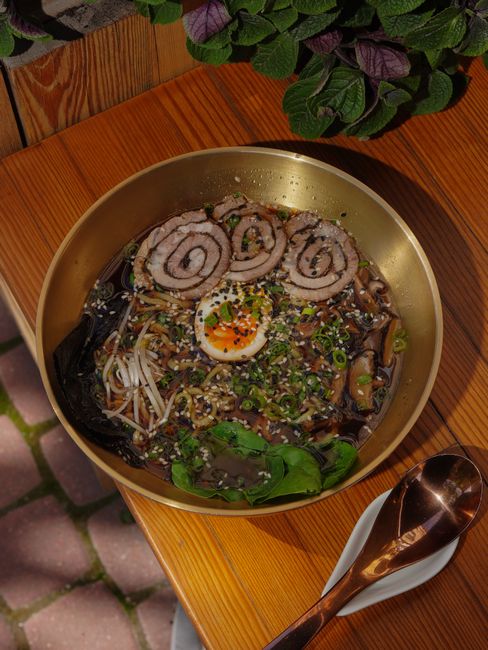
Shoyu ramen is a Japanese noodle soup defined by its tare, a concentrated soy-sauce-based seasoning base stirred into a clear chicken or chicken-and-pork broth just before serving. The result is a brown, savory broth that's lighter and more balanced than tonkotsu or miso ramen, letting the soy sauce flavor come through clean rather than being masked by heavy pork fat or fermented paste. It's considered the oldest and most classic style of ramen in Japan, developed in Tokyo in the early 20th century.
Varieties
Shoyu ramen is one of four main ramen categories, alongside shio (salt), miso, and tonkotsu (pork bone). Within shoyu ramen there's also regional variation: Tokyo-style tends toward a lighter chicken-based broth, while some regional versions add more pork or dashi for extra depth.
Buying tips
For homemade broth, choose chicken backs and feet plus a little pork bone for body without heaviness. If buying fresh ramen noodles, look for ones labeled specifically for shoyu or classic ramen (thin to medium, slightly curly) rather than thick udon-style noodles, which don't hold broth the same way.
Substitutes
Miso tare — 1:1 by volume
Swaps the soy-forward brown broth for a thicker, funkier, slightly sweeter one; turns the dish into miso ramen rather than shoyu ramen.
Shio (salt) tare — 1:1 by volume
Produces a pale, clear broth with a cleaner, less caramelized flavor than shoyu; closest in lightness but missing the soy depth.
Tamari-based tare — 1:1 by volume
Works as a gluten-free stand-in for a soy-sauce tare; slightly less complex but very close in color and saltiness.
Store-bought concentrated ramen seasoning packet — 1 packet per 1.5 to 2 cups broth
Faster but flatter and often overly salty; best used only when a proper simmered tare isn't practical.
Storage
Shoyu tare keeps well because it's essentially a seasoned soy sauce reduction: refrigerate in a sealed jar for up to a month. Assembled ramen doesn't store; noodles turn mushy and bloated within an hour or two sitting in hot broth, so keep broth, tare, and noodles separate until just before eating.
How to use
Ladle hot broth over cooked ramen noodles, then top with sliced chashu pork, a marinated soft-boiled egg (ajitama), nori, menma (fermented bamboo shoots), sliced scallions, and a dot of rendered fat or chili oil. The tare itself can also season stir-fries, fried rice, or dipping sauces since it's really just a concentrated soy seasoning base.
What it pairs with
Pairs well with gyoza, a side of Japanese pickles (tsukemono), and cold barley tea to cut the saltiness. A squeeze of yuzu or a shake of shichimi togarashi brightens the broth at the table.
Nutrition
A typical bowl runs 400 to 600 calories depending on noodle portion and toppings, with the broth and tare contributing most of the sodium; a single serving can easily exceed half a day's recommended sodium intake.
FAQ
What makes ramen 'shoyu' specifically?
It's defined by the tare, the seasoning base mixed into the broth at serving time. Shoyu ramen uses a soy-sauce-based tare, which is what gives the broth its brown color and clean savory-salty flavor.
Is shoyu ramen broth the same as the tare?
No. The broth (usually chicken or chicken-pork) is cooked separately and is largely unseasoned; the tare is a small, concentrated amount stirred into each bowl right before the noodles and broth go in.
Can I make shoyu ramen without a long-simmered broth?
Yes, a quicker version works by simmering chicken thighs, kombu, and dried shiitake for about 45 minutes to an hour, which won't have the same collagen richness as an 8-hour bone broth but still gives a clean, savory base for the tare.
Why does my homemade shoyu ramen taste flat compared to a shop's?
Shops typically add a spoonful of rendered chicken or pork fat on top of the broth just before serving, which carries aroma and rounds out the flavor; skipping that fat is the most common reason homemade versions taste thin.
Have shoyu ramen on hand? Find recipes with our Recipe Generator →