
Smothered Chicken
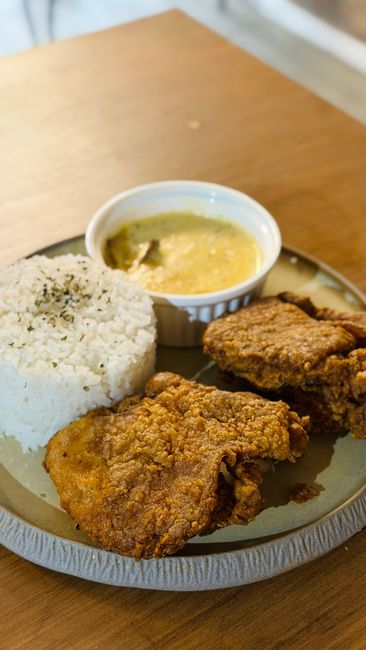
Smothered chicken is a Southern American dish in which chicken pieces are seared, then braised low and slow in a gravy built from the pan drippings, flour, and aromatics (usually onions, sometimes bell pepper and celery) until the meat is fall-apart tender and the gravy has thickened into a rich, savory sauce. The technique, smothering, refers to covering the chicken in gravy and cooking it covered, not a specific recipe, which is why versions vary from household to household.
Varieties
Southern versions typically use only onion in the gravy and finish with black pepper; Cajun and Creole versions add the holy trinity (onion, celery, bell pepper) plus cayenne and sometimes a dark roux closer to gumbo color.
Buying tips
Bone-in, skin-on thighs or a cut-up whole chicken give the best flavor and the most gravy-building fond in the pan; boneless, skinless pieces work but produce a thinner gravy since there's less collagen and skin fat to render.
Substitutes
Bone-in chicken thighs for bone-in breasts — 1:1 by weight
Thighs hold up better to long braising and stay moist; breasts can turn stringy if simmered past 25-30 minutes.
Pork chops or turkey thighs for chicken — 1:1 by weight
Same smothering technique works well; pork chops need a shorter braise, around 20 minutes, to avoid drying out.
Cream of mushroom or cream of chicken soup for homemade roux gravy — 1 can (10.5 oz) per 2 cups gravy needed
Faster and common in home versions, but the gravy will be thicker and less savory than one built from pan drippings and stock.
Cornstarch slurry for a flour roux — 1 tablespoon cornstarch mixed with 2 tablespoons cold water per cup of gravy
Thickens gravy without needing to cook out raw flour taste, but the gravy will be glossier and thinner-bodied than a roux-based one.
Storage
Cool completely and refrigerate in an airtight container for up to 4 days. The gravy thickens further when chilled, so leftovers often need a splash of chicken stock or water when reheating.
How to use
Serve over white rice, mashed potatoes, or grits so the gravy has something to soak into. Also good spooned over biscuits or with a side of collard greens or cornbread to round out the plate.
What it pairs with
Pairs well with acidic, crisp sides like a vinegar-dressed slaw or pickled okra to cut the richness of the gravy, and with cornbread or rice to absorb it.
Nutrition
A dark-meat serving with gravy runs high in protein but also in saturated fat and sodium; using skinless thighs and low-sodium stock cuts both without changing the texture much.
FAQ
What does 'smothered' actually mean in cooking?
It refers to braising meat covered in a thick gravy or sauce over low heat, as opposed to frying or roasting it uncovered. The term describes the method, not a fixed set of ingredients.
Why did my gravy turn out lumpy?
The flour was likely added to hot fat too quickly or not whisked constantly for the first minute. Sprinkle flour in gradually while whisking, and let it cook to a light tan color before adding liquid.
Can smothered chicken be made ahead?
Yes, and it often tastes better the next day once the gravy has had time to fully absorb into the meat. Reheat gently over low heat with added stock to loosen the gravy back up.
Do I need to fry the chicken first?
Searing it in a hot pan first isn't optional if you want real flavor: the browned bits left in the pan (the fond) are what give the gravy its color and depth. Skipping this step produces a pale, flat-tasting gravy.
Have smothered chicken on hand? Find recipes with our Recipe Generator →