
Spicy Noodles
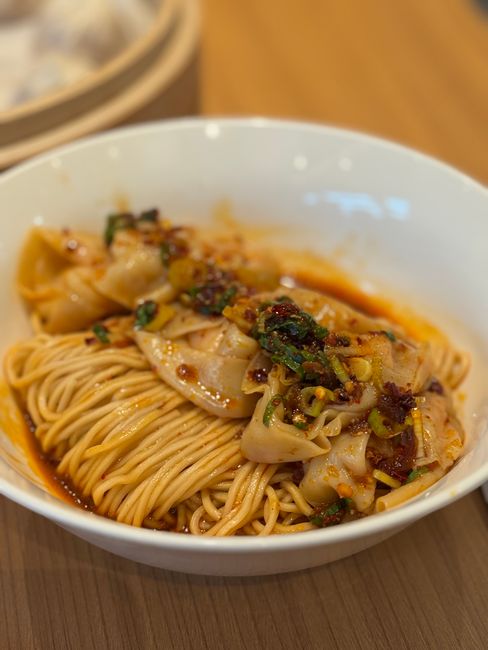
Spicy noodles are not one dish but a broad category spanning several cuisines, unified by noodles tossed or simmered in a chili-forward sauce or oil rather than a mild broth or plain seasoning. Sichuan dan dan noodles get their heat from chili oil and numbing Sichuan peppercorn, Korean buldak noodles rely on gochujang and gochugaru, Thai drunken noodles (pad kee mao) use fresh Thai chilies and holy basil, and Indonesian mie goreng pedas leans on sambal. The noodle itself, wheat, rice, or egg, is mostly interchangeable; what defines the dish is the chili source and how it's built into the sauce.
Varieties
The heat source genuinely differs by cuisine and changes how a dish should be built. Sichuan mala noodles combine chili heat with the tongue-numbing effect of Sichuan peppercorn, which no amount of extra chili replicates. Korean buldak-style noodles get sweetness and deep red color from gochujang and gochugaru together. Thai drunken noodles rely on fresh, bright chili heat from raw or briefly cooked Thai chilies rather than a cooked-down paste, giving a sharper, more immediate spiciness.
Buying tips
When buying pre-made spicy noodle products, check the seasoning packet or sauce sachet for oil separation or an off smell, both signs of age. For chili pastes and gochujang, choose refrigerated or recently stocked jars since capsaicin heat fades and flavor turns flat within a few months of opening.
Substitutes
Gochujang plus gochugaru blend — 1 tablespoon gochujang + 1 teaspoon gochugaru per serving
Mimics Korean-style spicy noodle sauces like buldak; increase gochugaru rather than gochujang if you want more heat without more sweetness.
Chili crisp or chili oil — 1 to 2 tablespoons per serving
Works best when the original recipe's heat comes from an oil-based chili condiment rather than chilies simmered into a sauce, since it adds crunch and toasted flavor along with heat.
Sriracha or sambal oelek thinned with water — 1 tablespoon sauce plus 1 teaspoon water per serving
Faster and tangier than a proper chili oil, with less depth, but reasonable in stir-fried noodle dishes like drunken noodles where the sauce is already complex.
Store-bought spicy instant noodle seasoning packet — 1 packet per 1 serving of fresh cooked noodles
Useful when a recipe specifically calls for a branded spicy instant noodle and you only have plain noodles on hand; toss the seasoning with hot noodles and a splash of starchy cooking water to help it cling.
Fresh Thai chilies, minced — 1 to 2 chilies per serving, sauteed in oil before adding noodles
Closest substitute for the fresh-chili heat in Thai-style spicy noodles; remove seeds first if a milder result is wanted.
Storage
Store leftover spicy noodles in an airtight container in the refrigerator for up to 3 days. Keep any extra chili oil or sauce separate from the noodles if possible, since noodles left sitting in sauce continue to soften and can turn mushy by day two. Reheat with a splash of water or broth in a skillet or microwave rather than dry, which keeps the noodles from clumping.
How to use
Serve as a standalone main dish, toss cold as a spicy noodle salad with cucumber and vinegar, or use as a base for adding shredded chicken, soft-boiled eggs, or pan-fried tofu. Spicy noodle sauces also work well spooned over steamed dumplings or blanched greens when a recipe makes more sauce than needed for the noodles alone.
What it pairs with
Balance the heat with something cool and mild: cucumber slices, a soft-boiled egg, plain steamed rice on the side, or a simple vinegar-dressed cabbage salad. Roasted peanuts or sesame seeds add texture without adding more spice.
Nutrition
Nutrition varies widely by sauce and noodle type, but spicy noodle dishes are often high in sodium from soy sauce, gochujang, or bottled chili pastes. Capsaicin, the compound responsible for the heat, has no significant calories itself and doesn't meaningfully affect the dish's nutrition beyond flavor.
FAQ
Why do my spicy noodles taste bland even after adding a lot of chili?
Chili alone doesn't build flavor; most spicy noodle sauces balance heat with something salty (soy sauce or fish sauce), something sweet (sugar or gochujang), and often acid (rice vinegar). Add chili last, after the other elements are balanced, not as the only seasoning.
How do I make spicy noodles less hot without losing flavor?
Stir in a spoonful of peanut butter, tahini, or a splash of coconut milk rather than just cutting the chili. These add richness that mellows capsaicin's burn on the palate while keeping the dish's overall flavor intact.
Can I make spicy noodles ahead of time for meal prep?
Yes, but cook the noodles slightly under their normal doneness time and store the sauce separately, combining them only when reheating. Fully cooked noodles pre-tossed in sauce and refrigerated tend to swell and turn gummy after a day.
What's the fastest way to add real heat to plain noodles?
A spoonful of chili crisp or chili oil stirred in while the noodles are still hot works faster than fresh chilies, since the oil is already infused and doesn't need cooking time to release its heat.
Have spicy noodles on hand? Find recipes with our Recipe Generator →