
Stewed Apples
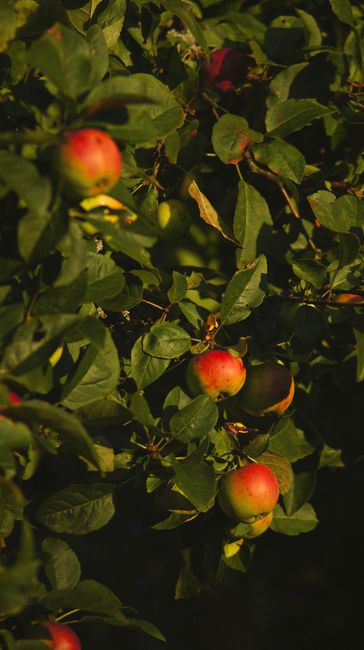
Stewed apples are peeled, chopped apples simmered gently in a small amount of liquid (water, cider, or juice) with sugar and often cinnamon until they break down into a soft, chunky compote. Unlike applesauce, which is usually cooked longer and blended smooth, stewed apples keep some texture and distinct pieces. They sit somewhere between a raw apple and a full apple pie filling, and are used both as a breakfast topping and a dessert component.
Buying tips
Firmer, tart baking varieties like Granny Smith, Braeburn, or Honeycrisp hold their shape better during stewing than soft varieties like Red Delicious, which can turn to mush. Mixing a tart variety with a sweeter one balances flavor without needing much added sugar.
Substitutes
Unsweetened applesauce — 1:1
Smoother and less chunky, but works fine as a topping or filling where texture doesn't matter as much.
Stewed pears — 1:1
Similar soft texture with a milder, less tart sweetness; good in oatmeal or yogurt.
Baked apples, chopped — 1:1
More caramelized flavor and a chunkier bite since they're not simmered in liquid; drain any extra juice before swapping in.
Canned apple pie filling — 3/4 cup pie filling per 1 cup stewed apples
Already sweetened and thickened with starch, so use less and skip added sugar; texture is glossier and firmer.
Rehydrated dried apple compote — varies
Simmering dried apple slices back to softness gives a deeper, more concentrated flavor, but the yield and moisture content vary too much for a fixed ratio.
Storage
Cool completely and store in a sealed container in the refrigerator for up to 5 days. The apples release liquid as they sit, so stir before serving. Stewed apples freeze well for up to 3 months in a freezer bag or airtight container; thaw in the refrigerator overnight and drain off any excess liquid before using.
How to use
Serve warm over oatmeal, pancakes, waffles, or yogurt, or spoon over vanilla ice cream or pound cake. Use as a quick filling for hand pies, crepes, or thumbprint cookies, or fold into a crumble topping in place of raw sliced apples to cut the baking time. They also work stirred into pork or roast chicken pan sauces for a sweet-tart contrast.
What it pairs with
Pairs well with cinnamon, nutmeg, cloves, vanilla, and a splash of lemon juice to keep the sweetness in check. Also complements pork chops, roast duck, and sharp cheddar or blue cheese on a cheese board.
Nutrition
A cup of stewed apples runs roughly 90-130 calories depending on how much sugar is added, with almost no fat or protein. Most of the fiber and vitamin C from the raw apple survives the gentle cooking, though some is lost into the cooking liquid if it's discarded rather than reduced back into the fruit.
FAQ
Do I need to peel the apples before stewing?
Peeling gives a smoother, more traditional texture, but leaving the skins on adds fiber and a slightly rosier color if the apple variety has red skin. Either way works; unpeeled skins soften but don't fully dissolve.
Why did my stewed apples turn out watery?
Most apple varieties release a lot of juice as they break down. Simmer uncovered for the last few minutes to let the liquid reduce, or drain and reduce the liquid separately before spooning it back over the fruit.
How is this different from apple compote?
They're essentially the same preparation; 'compote' is just the broader term that also covers other stewed fruits, while 'stewed apples' specifically refers to the apple version.
Can I make stewed apples without added sugar?
Yes. Sweet baking varieties like Fuji or Gala need little to no added sugar, especially with a splash of apple cider or a few golden raisins added during cooking for natural sweetness.
Have stewed apples on hand? Find recipes with our Recipe Generator →