
Sweet Treats
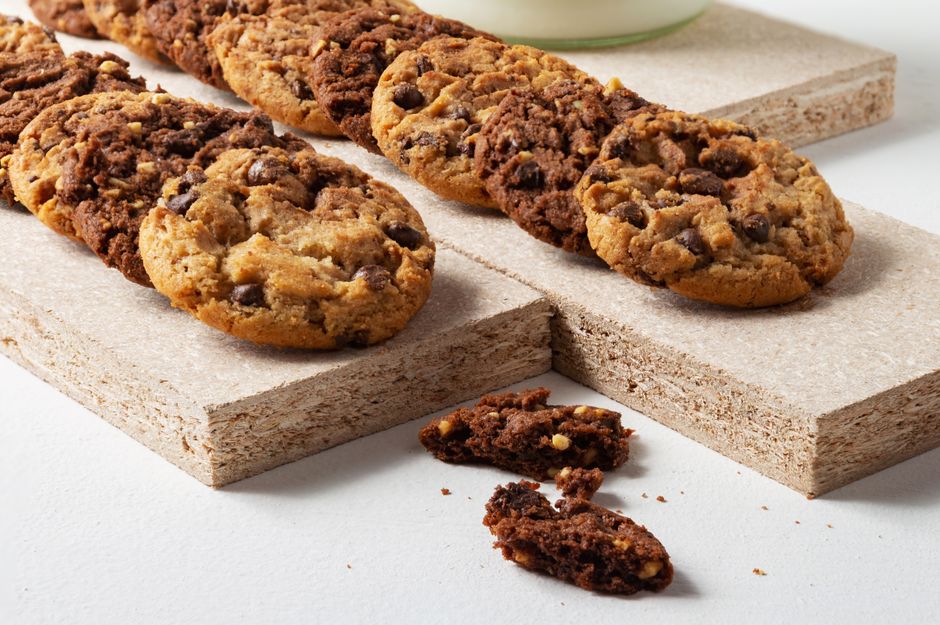
Sweet treats is a broad catch-all for small, sugar-forward foods eaten for pleasure rather than as a meal: cookies, candies, truffles, fudge, small pastries, and bite-sized desserts. What unifies them isn't one ingredient but a role, they're built around sugar as the dominant flavor and usually eaten in small portions. Most start from a base of granulated sugar, butter or fat, and flour or chocolate, with the specific ratios determining whether the result is chewy, crisp, or melt-in-the-mouth.
Varieties
The category splits roughly into baked goods (cookies, bars, small cakes), confections (fudge, caramels, truffles, hard candy), and frozen treats (ice pops, mini ice cream sandwiches). Baked goods rely on flour and leavening for structure, confections rely on precise sugar cooking temperatures (soft-ball, hard-crack, etc.), and frozen treats rely on fat and sugar content to control iciness.
Buying tips
For store-bought treats, check the ingredient list length as a rough freshness proxy, shorter lists with recognizable ingredients often mean less preservative-driven shelf life and better flavor. Choose chocolates and candies without a dull, chalky surface (a sign of sugar or fat bloom from temperature swings). For baked goods, buy from bakeries that sell through their stock daily rather than ones with visibly aged display cases.
Substitutes
Honey — 3/4 cup honey per 1 cup sugar
Reduce other liquid in the recipe by about 3 tablespoons per cup of honey used, and lower the oven temperature by 25°F since honey browns faster.
Maple syrup — 3/4 cup maple syrup per 1 cup sugar
Adds a distinct caramel note; works best in cookies, cakes, and glazes rather than delicate candies.
Coconut sugar — 1:1
Behaves almost identically to brown sugar in texture and moisture; adds a mild caramel flavor.
Monk fruit sweetener (granular) — 1:1 by volume, but check the package since concentration varies by brand
Some brands are blended with erythritol at a 1:1 sweetness match to sugar; pure monk fruit extract is far more concentrated and needs much less.
Unsweetened applesauce (for part of the sugar in baked treats) — 1/2 cup applesauce per 1 cup sugar, replacing only half the total sugar
Cuts sugar without drying out the treat, but only works alongside some remaining sugar for structure and browning; not a full substitute on its own.
Storage
Baked treats like cookies and bars keep at room temperature in an airtight container for about a week; add a slice of bread to the container to keep chewy cookies soft. Candies and fudge keep for two to three weeks in a cool, dry spot away from sunlight. Truffles and anything with fresh cream should be refrigerated and eaten within about a week. Most sweet treats freeze well for two to three months if wrapped tightly to prevent freezer burn and sugar bloom on chocolate.
How to use
Sweet treats work as an after-meal finish, a gift when packaged in a tin or box, a fundraiser or bake-sale item, or a small snack alongside coffee or tea. Because portions are meant to be small, they're often built to be rich rather than filling, dense chocolate, high butter content, or concentrated sugar syrups that satisfy in a few bites.
What it pairs with
Rich, dense treats like fudge and dark chocolate truffles pair well with black coffee or a tannic red wine, which cut through the sweetness. Lighter treats like shortbread or fruit tarts go well with tea, especially black or green tea. Salted caramel and toffee-based treats pair nicely with a dry sparkling wine.
Nutrition
Sweet treats are calorie-dense relative to their size, largely from sugar and fat, with little fiber or protein. A single small cookie or piece of candy can carry 100 to 200 calories. They're generally meant for occasional enjoyment rather than as a regular part of daily meals.
FAQ
What temperature should sugar reach for chewy versus hard candy?
Soft, chewy candies like caramels are cooked to the soft-ball stage, around 235-245°F, while hard candies like lollipops are cooked to the hard-crack stage, around 300-310°F.
Why do some sweet treats get a white, dusty coating over time?
That's sugar or fat bloom, caused by temperature fluctuations that pull sugar or cocoa butter to the surface. It's not mold and the treat is still safe to eat, but the texture and shine suffer.
Can sweet treats be made significantly lower in sugar without falling apart?
In baked goods, sugar can typically be reduced by 20-25% without major structural issues, since sugar also affects moisture and browning. Confections like caramel and hard candy rely on precise sugar concentrations for their texture and can't be reduced without changing the result entirely.
Why do homemade candies sometimes turn out grainy?
Grainy texture usually means sugar crystals formed during cooling. It happens when the syrup is stirred too much after reaching temperature or when sugar crystals from the pan sides fall back into the mixture; brushing down the pan sides with a wet pastry brush while cooking prevents this.
Have sweet treats on hand? Find recipes with our Recipe Generator →