
Tartar Sauce
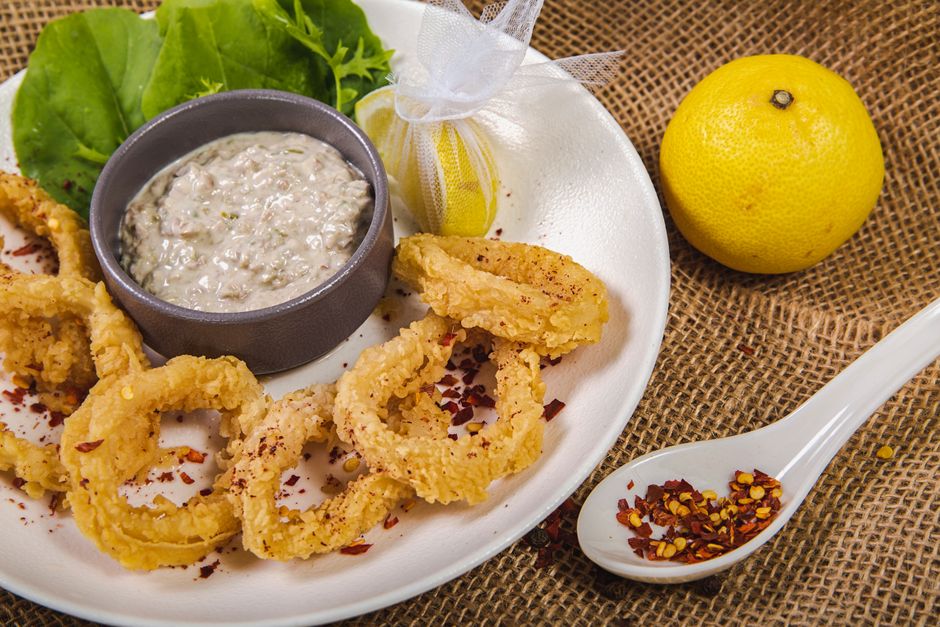
Tartar sauce is a cold, mayonnaise-based condiment built around chopped pickles or relish, capers, onion or shallot, and an acid like lemon juice or vinegar. It's the standard pairing for fried and battered fish and seafood, prized for cutting through greasy, crispy coatings with a tangy, briny hit.
Varieties
Some versions use sweet pickle relish for a milder, sweeter profile, while others use chopped dill pickles or cornichons for a sharper, more sour result. Southern-style tartar sauce sometimes adds hot sauce or extra mustard for more punch.
Buying tips
Check the ingredient list on jarred tartar sauce: better versions list actual chopped pickles or relish near the top rather than pickle flavoring or gums. Refrigerated tartar sauce near the seafood counter is usually fresher-tasting than shelf-stable jars in the condiment aisle.
Substitutes
Mayonnaise mixed with sweet pickle relish and lemon juice — 1 cup mayo + 2 tbsp relish + 1 tsp lemon juice per 1 cup tartar sauce
The fastest homemade stand-in; whisk together and it's ready in under five minutes.
Remoulade sauce — 1:1
Cajun-style remoulade is spicier and more mustard-forward but works the same way on fried seafood.
Aioli with chopped capers and lemon zest — 1:1
Richer and more garlicky than classic tartar sauce; good on fish sandwiches and crab cakes.
Plain mayonnaise with a squeeze of lemon — 1:1
Loses the pickle tang and texture entirely, but works in a pinch as a spread for fried fish sandwiches.
Greek yogurt mixed with chopped dill pickle and dill — 1:1
Lighter and tangier than mayo-based versions, with a noticeably thinner texture.
Cocktail sauce — 1:1
Not a flavor match, but serves the same functional role as a dip for fried seafood if none of the mayo-based options are available.
Storage
Store tartar sauce in an airtight container in the refrigerator. Homemade versions keep for about a week; store-bought jars keep for one to two months after opening, per the label. Never leave it at room temperature for more than two hours since it's mayonnaise-based.
How to use
Classic with fried or breaded fish, fish sticks, fish sandwiches, crab cakes, and fried shrimp. Also works as a sandwich spread for turkey or ham, a dip for french fries or onion rings, and stirred into egg salad or potato salad for extra tang.
What it pairs with
Pairs naturally with fried white fish like cod and haddock, fried shrimp, crab cakes, and fish and chips. Also good alongside grilled or blackened fish where its acidity balances char.
Nutrition
Tartar sauce is high in fat and calories because it's mayonnaise-based, typically 70 to 100 calories per two-tablespoon serving. Store-bought versions can also be high in sodium from pickles and relish.
FAQ
What's the difference between tartar sauce and remoulade?
Tartar sauce is milder and pickle-forward; remoulade, especially the Louisiana style, adds mustard, paprika, and hot sauce for a spicier, more complex flavor.
Can tartar sauce be frozen?
It's not recommended. Mayonnaise-based sauces separate and turn watery once thawed, ruining the texture.
Why is tartar sauce called tartar sauce?
The name comes from sauce tartare, a French condiment named after the Tatars; the connection is historical rather than flavor-based, since the sauce contains no Tatar cuisine ingredients.
Is tartar sauce the same as mayonnaise?
No, though mayonnaise is the base. Tartar sauce adds chopped pickles, capers, onion, and acid, giving it a chunkier texture and much tangier flavor than plain mayo.
Have tartar sauce on hand? Find recipes with our Recipe Generator →