Tequila
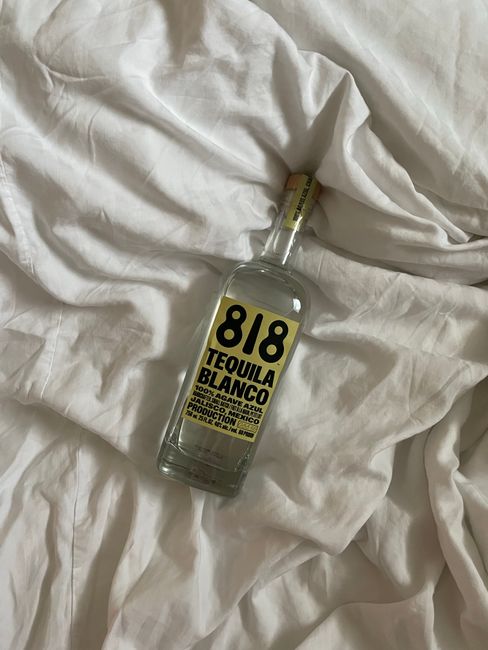
Tequila is a distilled spirit made from the blue agave plant (Agave tequilana), produced only in designated regions of Mexico, primarily the state of Jalisco. Good tequila is made from 100% blue agave, distilled and often aged in oak, and carries a clean, vegetal, slightly sweet agave flavor rather than the harsh burn associated with cheap mixto tequila cut with other sugars.
Varieties
Blanco (or silver) tequila is unaged or aged less than two months, bottled shortly after distillation for the purest agave flavor. Reposado is aged two months to a year in oak barrels, gaining a light gold color and mellower, slightly vanilla-tinged flavor. Añejo is aged one to three years, developing a deeper amber color and richer caramel and oak notes closer to a young whiskey. Extra añejo, a newer category, is aged over three years. Cristalino is aged tequila (usually añejo or extra añejo) that's been charcoal-filtered to strip out the color while keeping some of the aged smoothness.
Buying tips
Check the label for '100% agave' or '100% de agave'; anything just labeled 'tequila' without that phrase is likely a mixto, legally allowed to be only 51% agave with the rest made up of other sugars, and it tastes noticeably harsher. Look for a NOM (Norma Oficial Mexicana) number on the back label, which identifies the actual distillery; several well-known brands share the same NOM, which can help identify better value bottles made at reputable facilities. Blanco tequilas reveal quality most directly since there's no oak aging to mask flaws.
Substitutes
Mezcal — 1:1
Also agave-based but smokier and more intense from the roasting process; a good swap in margaritas or palomas when you want a bolder, earthier drink.
White rum — 1:1
Sweeter and lighter with none of the vegetal agave flavor; works in citrus cocktails where tequila's flavor isn't the main point.
Vodka — 1:1
Neutral flavor with no agave character at all; only use as a last resort when the drink or marinade needs alcohol content but not tequila's taste.
Lime juice with a splash of orange liqueur (for marinades, non-alcoholic goal) — varies
Not a real flavor match, but a workable base for tequila-lime marinades when avoiding alcohol; adjust acidity and sweetness to taste since there's no fixed ratio.
Storage
An unopened bottle of tequila keeps indefinitely stored upright in a cool, dark place; it doesn't age further once bottled. Once opened, blanco tequila is best used within a year or two for peak agave flavor, while reposado and añejo hold up a bit longer thanks to the oak aging. No refrigeration is needed, but keep bottles out of direct sunlight, which can dull color and flavor in aged expressions.
How to use
Blanco tequila is the standard for margaritas, palomas, and tequila-lime marinades where a clean, sharp agave flavor is wanted. Reposado works well sipped neat or in cocktails that benefit from a rounder, slightly oaky edge, like an añejo old fashioned. Añejo and extra añejo are best sipped slowly like a whiskey, in a small glass with no mixer. In cooking, tequila is often added to reduce and flambé pan sauces, or mixed into marinades for chicken, shrimp, and fajita vegetables.
What it pairs with
Pairs naturally with lime, orange, and other bright citrus, plus salt and chili, which is why margaritas and palomas work so well. On the food side, it complements grilled meats, ceviche, guacamole, and other Mexican and Tex-Mex dishes with fresh acidity and char.
Nutrition
Tequila made from 100% agave and properly distilled contains no residual sugar or carbs; a standard 1-ounce pour runs about 64 calories, all from alcohol. It's naturally gluten-free, since distillation removes any trace gluten proteins even in spirits made from grain, though agave-based tequila never contains gluten to begin with.
FAQ
What actually makes a tequila 'good'?
The 100% agave designation is the biggest factor, since it means the spirit is made entirely from blue agave sugars rather than cut with cheaper sugars. Beyond that, quality comes down to the distillery's agave-cooking method (traditional brick ovens versus fast autoclaves) and how it's aged, if at all.
Is tequila gluten-free?
Yes. Tequila is distilled from blue agave, not grain, so it contains no gluten at any point, unlike some flavored or additive-heavy tequila products which should still be checked individually.
What's the real difference between blanco and reposado tequila?
Blanco is unaged or barely aged and tastes sharply of raw agave, while reposado spends two months to a year in oak barrels, which softens the edges and adds vanilla and light caramel notes.
Does tequila need to be refrigerated after opening?
No, tequila is shelf-stable at room temperature indefinitely once opened; refrigeration isn't necessary, though chilling a bottle briefly before serving shots or margaritas is common.
What does the NOM number on a tequila bottle mean?
NOM stands for Norma Oficial Mexicana and is a government-assigned code identifying the specific distillery that made the tequila, which is useful because many different brands are actually produced at the same facility.
Have tequila on hand? Find recipes with our Recipe Generator →