
Truffle Butter
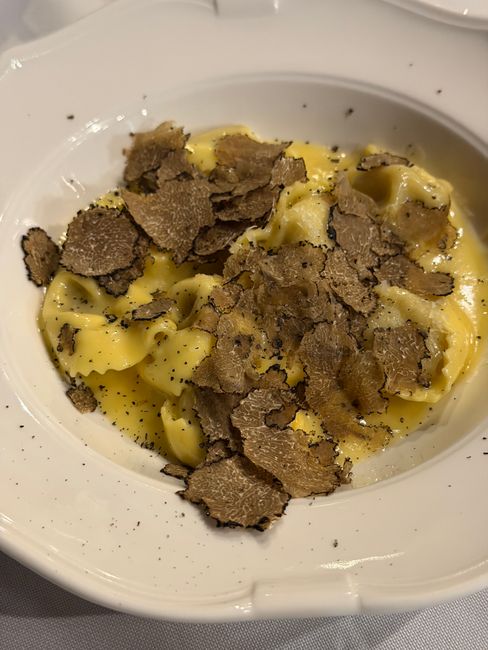
Truffle butter is unsalted butter blended with minced or shaved truffle (usually black winter truffle, sometimes white) and, in most commercial jars, truffle aroma compounds to reinforce the scent since real truffle loses potency quickly once cut. It's sold refrigerated or frozen in small jars and used as a finishing fat rather than a cooking fat, since heat destroys the volatile aromatics that make truffle worth using in the first place.
Varieties
Black truffle butter, made with Tuber melanosporum, has a deeper, earthier flavor and is more common. White truffle butter, made with Tuber magnatum, is sharper, garlicky, and more aromatic but far more expensive and typically appears in smaller specialty jars rather than large tubs.
Buying tips
Check the ingredient list before buying. Many jars list 'truffle aroma' or the synthetic compound 2,4-dithiapentane before real truffle appears, meaning the truffle flavor is largely artificial even if truffle pieces are visible. Butters that list truffle as the second ingredient (after butter) tend to have a more genuine flavor, though they also cost noticeably more.
Substitutes
Softened butter mixed with truffle oil — 1 tablespoon butter + 1/4 teaspoon truffle oil
The fastest stand-in. Use white truffle oil for a sharper aroma or black truffle oil for something earthier; taste before adding more since truffle oil intensity varies a lot between brands.
Butter with grated fresh or jarred truffle — 1:1, plus 1 teaspoon minced truffle per 4 tablespoons butter
Closest to homemade truffle butter and the best option if real truffle is available, even preserved jarred truffle rather than fresh.
Porcini or mixed mushroom compound butter — 1:1
Not a truffle flavor, but delivers a similar earthy, umami finishing note on steak, pasta, or mashed potatoes.
Plain butter with a pinch of white truffle salt — 1 tablespoon butter + 1/8 teaspoon truffle salt
Milder and saltier than true truffle butter, but works well melted over popcorn, eggs, or roasted vegetables in a pinch.
Storage
Keep refrigerated and tightly wrapped or in its original jar; most commercial truffle butter is good for 1 to 2 weeks after opening. It also freezes well for up to 3 months, which is worth doing since the truffle aroma fades steadily even under refrigeration.
How to use
Use as a finishing fat, not a cooking fat. Melt a spoonful over a rested steak, stir into risotto or pasta off the heat, whisk into mashed potatoes at the end, or spread on warm bread. Adding it early in a hot pan cooks off the aroma compounds and wastes the point of using it.
What it pairs with
Works well with steak, roasted or mashed potatoes, scrambled eggs, popcorn, risotto, and simple pasta like tagliatelle or fettuccine where the butter is the main sauce.
Nutrition
Nutritionally it's essentially the same as regular butter, roughly 100 calories and 11 grams of fat per tablespoon, with no meaningful nutrient contribution from the small amount of truffle it contains.
FAQ
Does truffle butter actually contain real truffle?
Often only a small amount. Many mass-market jars rely mostly on synthetic truffle aroma (2,4-dithiapentane) with just a few visible truffle flecks for appearance, so checking the ingredient order matters if authenticity is the goal.
Can you cook with truffle butter like regular butter?
You can, but high heat destroys the aromatic compounds within a minute or two, so it's better used to finish a dish off the heat rather than to sauté or sear in.
How long does an opened jar of truffle butter last?
About 1 to 2 weeks refrigerated, though the truffle aroma noticeably weakens after the first few days even if the butter itself is still fine to eat.
Is truffle oil a good substitute for truffle butter?
Mixed into softened butter, yes. Used alone it lacks the richness and mouthfeel that butter provides, so it works best as an addition rather than a straight swap.
Have truffle butter on hand? Find recipes with our Recipe Generator →