Urad Dal

Urad dal (Vigna mungo), also called black gram, is a lentil grown widely in South Asia. It's sold in two main forms: whole urad, which is black-skinned and used mostly in dal makhani, and split, skinned urad dal (dhuli urad), which is cream to white in color and used for tempering, idli and dosa batter, vada, and papad. The split form has a starchy, slightly sticky texture when cooked that helps bind batters, which is why it's essential in South Indian fermented recipes rather than just an interchangeable lentil.
Varieties
Whole urad dal (sabut urad) keeps its black skin and is used mainly in slow-simmered dals like dal makhani. Split, skinned urad dal (dhuli urad or urad dal white) has the skin removed and is split, giving it a cream color, and is what's called for in idli, dosa, and vada recipes. The two are not interchangeable without adjusting soak and cook times.
Buying tips
Buy from a store with good turnover, since older dal takes longer to cook and can taste stale. Split urad dal should look uniformly cream or white with no dark specks; whole urad should have a glossy black skin without dust or shriveling.
Substitutes
Split, skinned moong dal (mung dal) — 1:1
Cooks faster and tastes milder, but lacks the starchy binding quality urad dal gives to idli or dosa batter, so use it only for tempering or simple dals, not fermented batters.
Chana dal (split skinned black gram substitute for tempering) — 1:1
Gives a similar crunchy pop when fried in oil for tadka, though the flavor is nuttier and it takes longer to soften if used in a simmered dal.
Toor dal (split pigeon peas) — 1:1
Works as a stand-in for simmered dals but cooks to a softer, less sticky texture and won't work for idli or vada batter.
Whole urad dal (sabut urad), if only split is called for — not interchangeable by volume
Needs a longer soak and cook time and won't grind smooth enough for batters, so it's a substitute only in long-simmered dishes like dal makhani, not in idli or dosa recipes.
Storage
Store dry urad dal, whole or split, in an airtight container in a cool, dark pantry for up to a year. Cooked urad dal keeps in the refrigerator for about 4 days in a sealed container, or in the freezer for up to 3 months.
How to use
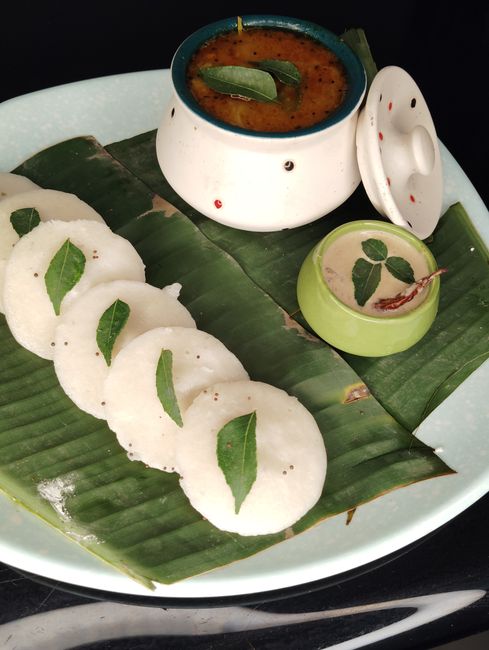
Split, skinned urad dal is soaked and ground into batter for idli, dosa, and vada, where it ferments and gives the batter lift and a slightly tangy flavor. It's also fried whole in hot oil at the start of tempering (tadka) for its nutty crunch, or simmered into simple dals. Whole urad dal, skin on, is the base of dal makhani, simmered for hours with butter and cream until creamy.
What it pairs with
Pairs with curry leaves, mustard seeds, and asafoetida in tempering; with coconut chutney and sambar as idli or dosa batter; and with tomato, ginger, and cream in dal makhani.
Nutrition
Urad dal is high in plant protein and fiber for a lentil, roughly 25g protein per 100g dry, and provides iron, folate, and magnesium. It's naturally gluten-free.
FAQ
Is urad dal the same as black lentils?
Whole urad dal is often labeled black lentils or black gram in stores, but it's a different species from the small black beluga lentils sometimes sold under a similar name, so check that the package says urad or black gram if a recipe specifically calls for it.
Why does my idli batter not rise even though I used urad dal?
This is usually from using old dal, under-soaking it (it needs at least 4 to 6 hours), or grinding it too coarse. A finer, well-aerated grind incorporates more air, which is what gives the batter lift during fermentation.
Can I use split urad dal with the skin on instead of skinned?
For tempering, yes, the skin just adds a slightly darker color and a bit more fiber. For idli or dosa batter, skinned urad dal is preferred because the skin can make the batter grainier and less smooth.
Do I need to soak urad dal before cooking?
Split, skinned urad dal for tempering doesn't need soaking. For batters, soak split urad dal for 4 to 6 hours; whole urad dal for dal makhani benefits from an 6 to 8 hour or overnight soak to shorten the simmer time.
Have urad dal on hand? Find recipes with our Recipe Generator →