
Vanilla Syrup
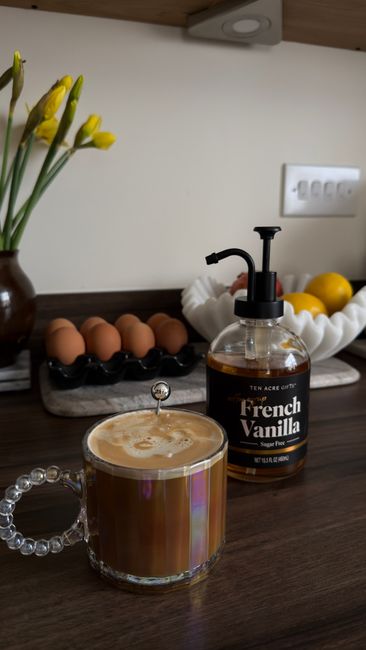
Vanilla syrup is a pourable sweetener made by dissolving sugar into water and infusing it with vanilla, typically vanilla extract or scraped vanilla bean, though many bottled versions rely on artificial vanillin instead. It's the syrup pumped into coffee shop lattes and is easy to replicate at home with basic pantry staples.
Varieties
Bottled 'vanilla syrup' and 'vanilla bean syrup' are not always the same product: vanilla bean syrup usually contains actual scraped bean and has visible black specks and a more complex flavor, while plain vanilla syrup may rely on artificial vanillin. Vanilla syrup is also distinct from vanilla extract, which is a concentrated, alcohol-based flavoring with no added sugar and is far too strong to use in place of syrup without dilution.
Buying tips
Read the ingredient label before buying: many bottled vanilla syrups list 'natural and artificial flavors' or vanillin instead of real vanilla extract or vanilla bean. Syrups with visible dark flecks or labeled 'vanilla bean' generally have a rounder, more authentic flavor than clear, single-note versions.
Substitutes
Homemade vanilla simple syrup (sugar, water, vanilla extract) — 1:1
Dissolve equal parts sugar and water over low heat, then stir in about 1 tablespoon of vanilla extract per cup of finished syrup once it cools slightly. Closest flavor and texture match to store-bought.
Plain simple syrup plus vanilla extract — 1:1
If you already have plain simple syrup, stir in 1/2 teaspoon vanilla extract per 2 tablespoons of syrup right before using. Fastest fix when you're out of vanilla syrup mid-recipe.
Maple syrup — 1:1
Swap in equal amounts for coffee or pancakes, but it brings a deeper caramel note rather than clean vanilla sweetness.
Sweetened condensed milk — 1:2 (use half as much)
Works only in drinks, not baking. It's thicker and sweeter, so use about half the volume called for and add a splash of vanilla extract to compensate for the missing vanilla flavor.
Honey thinned with a little water, plus vanilla extract — 1:1
Combine 3 parts honey with 1 part warm water to loosen it, then stir in vanilla extract to taste. Adds a floral undertone that plain vanilla syrup doesn't have.
Storage
Homemade vanilla syrup made with just sugar, water, and extract keeps for about 3 to 4 weeks refrigerated in a sealed glass bottle; sugar concentration acts as a preservative but mold can still form if the syrup is contaminated with a wet spoon or left unrefrigerated. Store-bought syrups with added preservatives often last several months unopened and a month or two once opened, per the label.
How to use
Stir into hot or iced coffee, espresso drinks, and steamed milk for lattes. Use in cocktails and mocktails in place of plain simple syrup, drizzle over pancakes and waffles, sweeten whipped cream or pastry cream, or brush onto cake layers before frosting for extra moisture and flavor.
What it pairs with
Pairs naturally with espresso, brewed coffee, steamed milk, cinnamon, nutmeg, caramel, brown butter, and dark chocolate. Also works well drizzled over fresh berries or stirred into oatmeal.
Nutrition
Roughly 20 calories per teaspoon, almost entirely from sugar, with no meaningful vitamins or minerals. Homemade versions can be made with less sugar or a sugar substitute, which lowers the calorie count but also thins the syrup.
FAQ
Is vanilla syrup the same as vanilla extract?
No. Vanilla extract is a concentrated, unsweetened, alcohol-based flavoring, while vanilla syrup is a sweetened, diluted product meant to be poured directly into drinks or batters. Using extract in place of syrup will make a dish overly potent and won't add the sweetness or body the syrup provides.
Can I make vanilla syrup at home?
Yes. Heat equal parts sugar and water until the sugar dissolves, remove from heat, and stir in vanilla extract or a split, scraped vanilla bean. Let it cool and steep for at least 30 minutes before straining and bottling.
Why did my homemade vanilla syrup turn cloudy or crystallize?
Cloudiness usually means sugar crystals reformed because the syrup was cooled too quickly or stirred while still hot. Reheat gently and stir until it clears, then let it cool undisturbed.
Does vanilla syrup need to be refrigerated?
Yes, once opened or homemade. The sugar content slows bacterial growth but doesn't stop it entirely, so refrigeration in a sealed bottle keeps it safe and prevents mold for several weeks.
Have vanilla syrup on hand? Find recipes with our Recipe Generator →