
Vegan Food
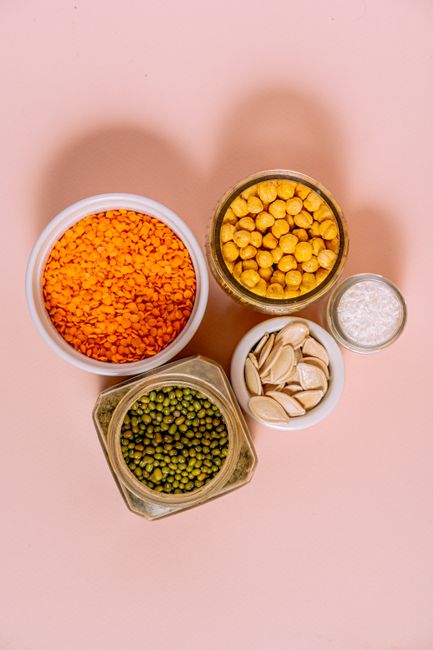
Vegan food excludes all animal-derived ingredients, not just meat and fish but also dairy, eggs, honey, and gelatin. It differs from vegetarian food, which still allows eggs and dairy, and from plant-based eating, a looser term some people use even when small amounts of animal products are still involved. Vegan cooking relies on legumes, grains, vegetables, nuts, and seeds for protein and fat, plus a set of workhorse substitutes that stand in for eggs, butter, cheese, and cream in recipes originally written around them.
Varieties
Vegan is distinct from vegetarian (still allows eggs and dairy), pescatarian (allows fish), and whole-food plant-based, a stricter subset of vegan eating that also avoids refined oils, sugar, and heavily processed vegan meat substitutes.
Buying tips
Read labels for hidden animal derivatives like whey, casein, gelatin, and carmine, which show up in some breads, wines, and red-colored candies. A 'vegan' label on packaged food is the most reliable shortcut, but it isn't regulated everywhere, so check the ingredient list on unfamiliar brands. For tofu, choose organic when possible since most non-organic soy is genetically modified, which some shoppers prefer to avoid.
Substitutes
Flax egg (1 tbsp ground flaxseed + 3 tbsp water, rested 5 minutes) — 1 flax egg : 1 chicken egg
Works best in baked goods like muffins and pancakes where binding matters more than rise; adds a slightly nutty flavor.
Silken tofu, blended smooth — 1/4 cup tofu : 1 egg
Good for dense bakes like brownies and quick breads; does not aerate, so avoid it in recipes depending on whipped eggs.
Full-fat coconut milk — 1:1
Closest substitute for heavy cream in soups, curries, and sauces; chill overnight and whip the solid cream for a whipped-cream stand-in.
Cashew cream (soaked cashews blended with water) — 1:1
Neutral enough for both savory sauces and sweet fillings; use less water for a thicker, cream-cheese-like texture.
Nutritional yeast — 2-3 tbsp per cup of sauce
Adds a savory, cheese-like flavor to sauces and popcorn; doesn't melt, so it won't replace shredded cheese on a pizza.
Firm or extra-firm tofu, pressed — 1:1 by weight for ground meat
Crumble and season heavily since tofu itself is bland; press for at least 15 minutes to remove excess water before cooking.
Vegan butter (plant-oil based stick) — 1:1
Nearly interchangeable with dairy butter in baking and sautéing, though it can brown slightly faster due to added water content.
Storage
Keep opened plant milks refrigerated and use within 7-10 days; most are shelf-stable unopened for months. Store pressed or cubed tofu submerged in fresh water in a sealed container, changing the water daily, for up to a week. Nutritional yeast and dried legumes keep for a year or more in a sealed jar in a cool, dark pantry.
How to use
Vegan staples work across the same categories as their animal-based counterparts: legumes and tofu for protein in stir-fries and stews, cashew or coconut cream for richness in sauces and desserts, and flax or chia eggs for binding in baked goods. Building a balanced vegan plate usually means combining a protein source (beans, lentils, tofu, tempeh) with a grain and a vegetable rather than trying to make one ingredient do everything.
What it pairs with
Lentils or chickpeas pair well with lemon, cumin, and garlic for savory depth. Tofu takes on flavor best when marinated in soy sauce, ginger, and a touch of maple syrup before cooking. Cashew cream pairs with roasted vegetables or nutritional yeast for a cheese-adjacent sauce over pasta.
Nutrition
A well-planned vegan diet can meet most nutrient needs, but vitamin B12 doesn't occur naturally in plant foods and typically requires a fortified food or supplement. Iron and zinc from plants absorb less efficiently than from meat, so pairing iron-rich beans or greens with vitamin C foods like citrus or peppers improves uptake. Combining grains and legumes over the course of a day covers all essential amino acids.
FAQ
Is vegan food automatically healthier than non-vegan food?
Not necessarily. Many packaged vegan products like fried chips, sugary desserts, and vegan meat substitutes are highly processed and high in sodium or saturated fat despite containing no animal products.
Can honey be used in vegan cooking?
No. Honey is produced by bees and is excluded from vegan diets; maple syrup, agave, or date syrup are the standard substitutes at a roughly 1:1 ratio by volume.
Why does tofu need to be pressed before cooking?
Tofu is packed in water and absorbs marinades or seasoning poorly when saturated. Pressing for 15-30 minutes under weight removes excess liquid so the tofu browns better and takes on flavor.
Do vegan substitutes change baking times?
Sometimes. Flax eggs and coconut oil can make baked goods slightly denser and browner, so checking for doneness a few minutes before the original recipe's stated time is a reasonable precaution.
Have vegan food on hand? Find recipes with our Recipe Generator →