
Venezuelan Food
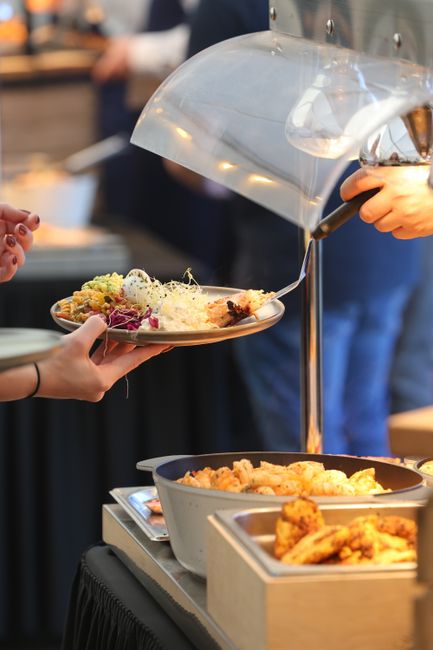
Venezuelan food is built around corn, plantains, beans, and dairy, assembled into a small set of staple dishes that appear in nearly every regional variation: arepas (grilled or fried corn cakes), cachapas (sweet corn pancakes), hallacas (corn dough parcels filled with stewed meat and wrapped in plantain leaves), and pabellón criollo (shredded beef, black beans, rice, and fried plantain served together). The cuisine leans savory and mild rather than spicy, with sauces like guasacaca (a avocado-cilantro condiment similar to a thinner guacamole) doing the work that hot sauce does elsewhere.
Varieties
Coastal (oriental) Venezuelan cooking uses more seafood and coconut, llanero cuisine from the plains centers on beef and dairy, and Andean regions favor pork, potatoes, and heartier stews suited to cooler weather. Arepas and harina PAN are constants across all of them, but fillings and sides shift by region.
Buying tips
Harina PAN, papelón, and queso llanero are usually sold at Latin American grocery stores under the international aisle or specifically Venezuelan and Colombian sections; harina PAN is also widely available online and in many general supermarkets now given its popularity for arepas. Check that precooked cornmeal bags are labeled for arepas or tortillas specifically, since plain cornmeal or masa harina for tamales behaves differently.
Substitutes
Masa harina (for harina PAN precooked cornmeal) — 1:1
Masa harina is nixtamalized and made for tortillas, so arepas made with it come out slightly denser and less springy than with harina PAN, but the flavor is close.
Farmer's cheese or fresh mozzarella (for queso llanero) — 1:1 by weight
Queso llanero is a firm, salty, slightly crumbly white cheese; farmer's cheese is the closest widely available match, though it melts less than the real thing.
Dark brown sugar or piloncillo (for papelón) — 3/4 cup packed per 1 cup grated papelón
Papelón is unrefined whole cane sugar pressed into a block; dark brown sugar dissolves faster and lacks the smoky, molasses-forward depth, so use slightly less to avoid oversweetening.
Green plantains (for tostones-style frying when maduros aren't available) — 1:1
Green plantains are starchy and neutral rather than sweet, so dishes that call for ripe maduros will taste noticeably less caramelized.
Storage
Harina PAN and other precooked cornmeal keep well in a sealed bag or container in a cool, dry pantry for up to a year. Papelón blocks stay stable at room temperature indefinitely if kept dry and wrapped, since they're essentially solid sugar. Fresh queso llanero should stay refrigerated and used within a week or two; it also freezes reasonably well for longer storage. Made arepas keep in the fridge for 3 to 4 days and reheat best split and toasted in a dry pan rather than microwaved.
How to use
Harina PAN is mixed with water and salt to form arepa dough, or thinned further for empanada dough. Papelón is dissolved into hot water with lime for the drink papelón con limón, or melted down as a base for sauces and desserts. Queso llanero is grated into arepa dough, crumbled over cachapas, or eaten sliced alongside plantain. Ripe plantains are pan-fried in slices (tajadas) as a standard side to almost any main dish.
What it pairs with
Guasacaca is the standard condiment for arepas and grilled meats. Papelón con limón or a chilled malta (a sweet, non-alcoholic malt drink) are the traditional drinks alongside a heavy meal like pabellón criollo. Black coffee, often sweetened and strong, typically follows dessert rather than a meal.
Nutrition
Venezuelan staples lean on corn and plantain for carbohydrates and dairy or beef for protein, so a full plate like pabellón criollo delivers a fairly balanced mix of starch, protein, and fiber from the black beans. Fried plantain and fried arepas add meaningful fat and calories compared to their grilled or baked versions.
FAQ
What's the difference between an arepa and a pupusa?
Arepas are made from precooked cornmeal (harina PAN) and are typically split open and stuffed after cooking, while pupusas use fresh masa dough and are stuffed before cooking, then griddled flat.
Is Venezuelan food spicy?
Generally no. Heat is usually optional and added at the table with a separate hot sauce; the base dishes and sauces like guasacaca are mild and savory rather than chile-forward.
What is the most common everyday Venezuelan meal?
Arepas, often for breakfast or dinner, split and filled with whatever is on hand: shredded chicken, black beans, cheese, avocado, or scrambled eggs.
Is Venezuelan food naturally gluten-free?
Much of it is, since arepas, cachapas, and hallacas are corn-based rather than wheat-based, though some fried pastries like empanadas can use wheat dough depending on the recipe.
Have venezuelan food on hand? Find recipes with our Recipe Generator →