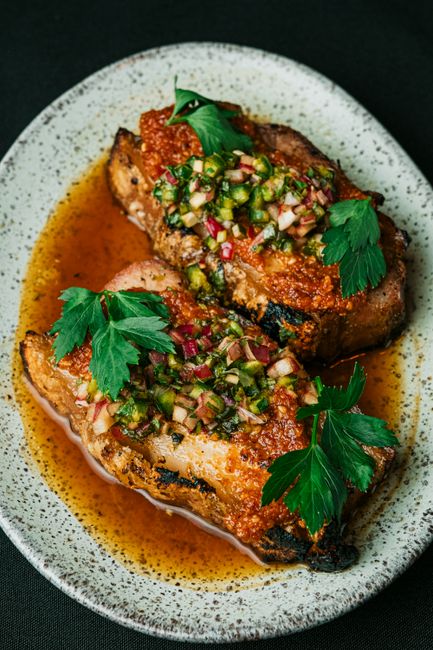
Beginner's Smoked Pork Butt (Pulled Pork) Recipe
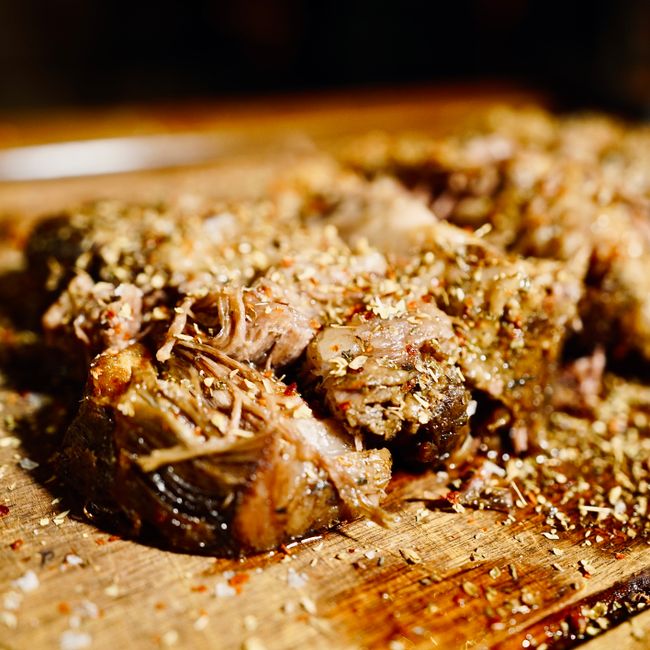
Pork butt is one of the most forgiving cuts to smoke because its heavy marbling and connective tissue keep it moist even if the temperature drifts a little, which makes it the right first project for someone still learning to hold a steady smoker temperature.
- Prep
- 20 min
- Cook
- 9 hr
- Total
- 10 hr
- Servings
- 12
Ingredients
- 8 lb bone-in pork shoulder (Boston butt)
- 2 tbsp yellow mustard
- 1/2 cup brown sugar
- 3 tbsp paprika
- 2 tbsp kosher salt
- 2 tbsp black pepper, coarsely ground
- 1 tbsp garlic powder
- 1 tbsp onion powder
- 1 tbsp chili powder
- 1 tsp cayenne pepper
Nutrition per serving
- Calories
- 754
- Protein
- 52g
- Carbs
- 12g
- Fat
- 55g
Based on the recipe as written, one serving. Recalculates if you swap an ingredient above. An estimate only, exact values depend on the specific ingredients used.
Need different units or a different yield? Try our Conversion Calculator →
Instructions
- 1Trim the pork shoulder so the fat cap is about 1/4 inch thick, leaving enough to baste the meat but not so much that smoke and rub can't penetrate.
- 2Pat the shoulder dry, then rub it all over with the yellow mustard. It won't taste like mustard once cooked, it's just there to help the rub stick.
- 3Mix the brown sugar, paprika, kosher salt, black pepper, garlic powder, onion powder, chili powder, and cayenne in a bowl, then coat the pork on all sides, pressing it in. Refrigerate uncovered for at least 2 hours or overnight if time allows.
- 4Set up the smoker for indirect heat and bring it to a steady 225-250°F (107-121°C), using hickory, oak, or apple wood chunks. Let the smoker run for 15 minutes before checking the temperature to confirm it's holding steady.
- 5Place the pork shoulder fat side up on the grate, insert a leave-in probe thermometer into the thickest part away from the bone, and close the lid. Avoid opening it more than necessary.
- 6Smoke for about 6-7 hours, maintaining 225-250°F, until the internal temperature reaches 160-170°F and stalls, meaning it barely climbs for an hour or more.USDA safe minimum for beef, pork, lamb, veal: 145°F (63°C), plus a 3-minute rest
- 7Once the stall hits, wrap the shoulder tightly in two layers of butcher paper (or heavy-duty foil) and return it to the smoker.
- 8Continue cooking, still monitoring internal temperature, for another 2-3 hours until it reaches 203°F (95°C) and a probe slides into the meat with almost no resistance.USDA safe minimum for beef, pork, lamb, veal: 145°F (63°C), plus a 3-minute rest
- 9Remove the wrapped pork, keep it wrapped, and let it rest in a dry cooler or an empty oven (turned off) for at least 45 minutes, up to 2 hours.
- 10Unwrap, discard the bone (it should pull out clean), and shred the meat with two forks, mixing in some of the rendered juices from the wrapping paper before serving.
Tips & variations
- Go by internal temperature and feel, not the clock. An 8-pound butt can finish anywhere from 8 to 11 hours depending on wind, outside temperature, and how often the lid gets opened.
- If the smoker runs a gas or electric heat source, add wood chunks or a smoker box of chips rather than chips alone, since chunks smolder longer and need less refilling, which matters most for a beginner still learning to manage the fire.
- A water pan set inside the smoker near the heat source helps stabilize temperature swings and adds humidity, both of which make it easier to hold a steady 225-250°F.
- Spritzing the bark every hour after the first 3 hours with a mix of apple cider vinegar and water keeps the surface from drying out before the bark sets, but skip it during the first stretch so the rub has time to form a crust.
- For a milder bark, cut the cayenne and reduce the chili powder by half.
Storage & reheating
Refrigerate pulled pork in an airtight container with some of the reserved juices for up to 4 days. To reheat, warm gently in a covered skillet over low heat with a splash of broth or juice, or microwave in short bursts, stirring between each. Freeze in portioned bags with juice for up to 3 months; thaw overnight in the fridge before reheating.
Tips from the Tulo kitchen
- Two thermometers make this far easier for a first smoke: one built into or clipped to the smoker to track ambient chamber temperature, and a separate probe in the meat, since the two rarely read the same and only the meat probe tells you when it's actually done.
- Resist trimming all the fat cap off before cooking. That fat bastes the meat from above over many hours and renders down mostly by the time the shoulder is finished.
FAQ
What's the best wood for a beginner smoking pork for the first time?
Hickory or oak are the most forgiving choices because their smoke flavor is strong enough to notice but hard to oversmoke by accident, unlike lighter woods such as apple or cherry, which need more volume to have the same effect.
Do I need to wrap the pork butt in foil or butcher paper?
Wrapping isn't required, but it shortens total cook time by an hour or two by pushing the meat through the stall faster; unwrapped ('naked') butts take longer but usually develop a slightly firmer, more pronounced bark.
Why did the internal temperature stop rising for over an hour?
This is the stall, caused by moisture evaporating from the meat's surface and cooling it as fast as the smoker is heating it. It typically happens between 150°F and 170°F and resolves on its own or can be pushed through by wrapping.
How do I know the smoker is holding a steady temperature without constantly checking?
A cheap wireless ambient temperature probe clipped to the grate near the meat, separate from any built-in lid thermometer, gives a far more accurate read of what's actually happening at cooking level, since lid thermometers often run 20-30°F off.
Can this be done on a regular charcoal grill instead of a dedicated smoker?
Yes, using the snake method (charcoal briquettes arranged end to end around the perimeter with wood chunks placed on top) will hold a low, steady temperature for several hours before needing to be replenished.