Ceviche de Camarón Recipe
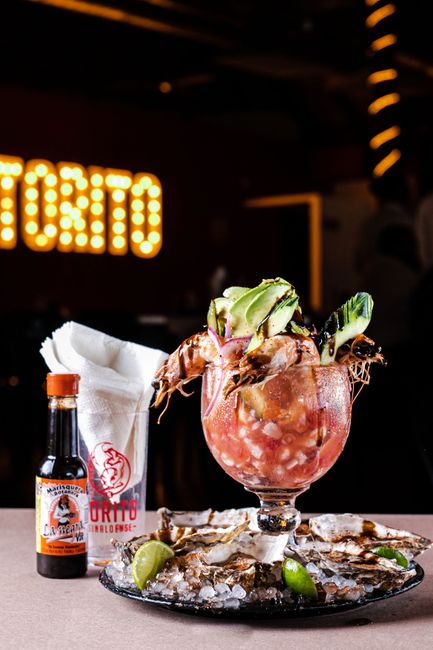
Fresh lime juice firms up and 'cooks' the shrimp through acid denaturation instead of heat, so the shrimp stay tender rather than rubbery, while a generous amount of diced vegetables and their released juices build the tomato-forward, cocktail-like base that ceviche de camarón is known for.
- Prep
- 30 min
- Cook
- 0 min
- Total
- 2 hr 30 min
- Servings
- 6
Ingredients
- 1 1/2 lb raw shrimp, peeled, deveined, and diced
- 1 1/2 cups fresh lime juice
- 1/2 cup white onion, finely diced
- 2 medium roma tomatoes, diced
- 1 medium cucumber, peeled and diced
- 1/2 cup cilantro, chopped
- 1 medium jalapeño or serrano chile, finely minced
- 1/4 cup ketchup or clamato juice
- 1 medium avocado, diced
- 1 tsp salt
Nutrition per serving
- Calories
- 99
- Protein
- 8g
- Carbs
- 12g
- Fat
- 4g
Based on the recipe as written, one serving. Recalculates if you swap an ingredient above. An estimate only, exact values depend on the specific ingredients used.
Need different units or a different yield? Try our Conversion Calculator →
Instructions
- 1Cut the shrimp into small, even pieces (roughly 1/2-inch) so every piece cures at the same rate.
- 2Place the shrimp in a glass or ceramic bowl and pour the lime juice over it, making sure all the pieces are submerged. Cover and refrigerate for 1.5 to 2 hours, stirring once halfway through, until the shrimp turns opaque and pink all the way through.
- 3Drain off about half the lime juice, reserving it, and keep the shrimp in the rest.
- 4Add the diced onion, tomatoes, cucumber, cilantro, and minced chile to the shrimp and stir gently to combine.
- 5Stir in the ketchup or clamato juice and salt, adding back some of the reserved lime juice if the mixture looks dry.
- 6Fold in the diced avocado just before serving so it doesn't turn mushy.
- 7Taste and adjust salt or lime juice as needed, then serve chilled in cups or bowls with tostadas or saltine crackers.
Tips & variations
- Use the smallest shrimp you can find, or cut larger shrimp small; more surface area means faster, more even curing.
- For a milder ceviche, seed the chile before mincing it; the seeds and white pith carry most of the heat.
- Some versions swap in bottled clamato juice entirely instead of ketchup for a brinier, more tomato-and-clam-forward broth.
- If serving a crowd, keep the avocado and tostadas separate and let guests add them at the table so nothing gets soggy.
Storage & reheating
Ceviche de camarón is best eaten within a few hours of curing. Store leftovers (without avocado mixed in) covered in the refrigerator for up to 1 day; the shrimp texture toughens the longer it sits in the acid. This dish is served cold and is not reheated.
Tips from the Tulo kitchen
- A splash of orange juice mixed into the lime juice softens the acidity slightly without diluting the curing power.
- Chilling the mixing bowl beforehand keeps everything colder for longer once the vegetables are folded in.
FAQ
Is the shrimp actually raw in ceviche de camarón?
It starts raw, but the citric acid in the lime juice denatures the proteins the same way heat would, turning the shrimp opaque and firm. As long as it cures long enough (1.5 to 2 hours) and is refrigerated the whole time, it's safe to eat.
Can I use pre-cooked shrimp instead?
Yes. Dice cooked, chilled shrimp and marinate it in the lime juice for just 15 to 20 minutes, long enough to pick up flavor without the acid making already-cooked shrimp mushy.
Why did my ceviche turn watery?
Tomatoes and cucumber release liquid as they sit in the acidic marinade. Drain some of the accumulated liquid before serving, or add those vegetables closer to serving time if making the base ahead.
What's the difference between this and Peruvian ceviche?
Ceviche de camarón, the Mexican-style version, is typically mixed with tomato, ketchup or clamato, and diced vegetables for a cocktail-like consistency, while Peruvian ceviche is usually leaner, served in a citrusy leche de tigre with just onion and chile.