
Chilean Sea Bass Recipe
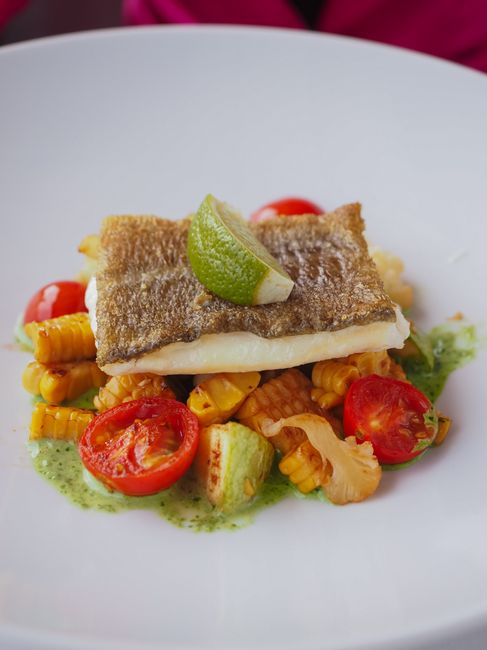
Chilean sea bass's high fat content makes it nearly impossible to overcook into dryness the way leaner white fish can, a hot pan and a hands-off sear are all it needs for crisp skin and a silky center.
- Prep
- 10 min
- Cook
- 10 min
- Total
- 20 min
- Servings
- 2
Ingredients
- 2 fillets (6 oz each) Chilean sea bass fillets, skin on
- 1/2 tsp salt
- 1/4 tsp black pepper
- 1 tbsp neutral oil (avocado or grapeseed)
- 2 tbsp unsalted butter
- 1 whole lemon, halved
Nutrition per serving
- Calories
- 519
- Protein
- 31g
- Carbs
- 0g
- Fat
- 44g
Based on the recipe as written, one serving. Recalculates if you swap an ingredient above. An estimate only, exact values depend on the specific ingredients used.
Need different units or a different yield? Try our Conversion Calculator →
Instructions
- 1Pat the fillets very dry and season both sides with salt and pepper.
- 2Heat the oil in a skillet over medium-high heat until shimmering.
- 3Lay the fillets skin-side down and press gently for the first 30 seconds so the skin doesn't curl.
- 4Sear undisturbed for 4-5 minutes, until the skin is deeply golden and crisp.
- 5Flip, add the butter to the pan, and baste the fillets for 2-3 minutes until the fish flakes easily and reaches 130-135°F (54-57°C) internally.USDA safe minimum for fish & shellfish: 145°F (63°C), or until opaque and firm
- 6Squeeze fresh lemon over the top and serve immediately.
Tips & variations
- Don't move the fish while the skin-side sear is happening, it releases from the pan on its own once properly crisped.
- Chilean sea bass is also sold as Patagonian toothfish, same fish, different market name.
Storage & reheating
Best eaten immediately. Leftovers keep a day refrigerated; reheat gently to avoid drying out the delicate flesh.
Tips from the Tulo kitchen
- Score the skin in a few shallow slashes before cooking, it helps the fillet lie flat instead of curling as the skin contracts in the hot pan.
- Spoon a little of the pan's butter-lemon sauce over the fish just before serving, it does more for flavor than adding extra butter to the pan itself.
FAQ
Why is Chilean sea bass so expensive?
It's a slow-growing, deep-water fish with tightly regulated catch limits, which keeps supply low relative to demand, not a marketing markup on an otherwise common fish.
How do I know when it's done without a thermometer?
The flesh turns from translucent to opaque and flakes easily with a fork when done. Because of its high fat content, it stays moist even slightly past done, so err toward pulling it a bit early.