
Cup Conversion Chart: Cups to Grams and Ounces
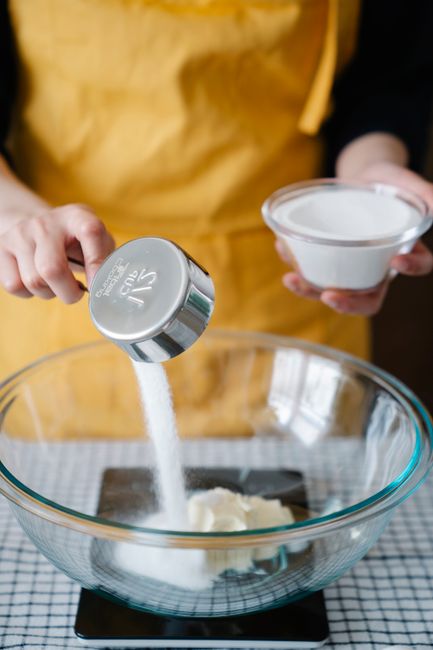
A cup of flour and a cup of honey can differ in weight by nearly 200 grams, so a single 'cups to grams' number doesn't exist across ingredients. This chart lists the actual gram and ounce weight for each specific ingredient, which is what makes it possible to convert a recipe accurately instead of guessing.
- Prep
- 5 min
- Cook
- 0 min
- Total
- 5 min
- Servings
- 1
Ingredients
- 1 cup all-purpose flour, spooned and leveled
- 1 cup granulated sugar
- 1 cup brown sugar, packed
- 1 cup powdered sugar, sifted
- 1 cup butter, softened
- 1 cup honey
- 1 cup rolled oats
- 1 cup long-grain white rice, uncooked
- 1 cup unsweetened cocoa powder
- 1 cup water
Nutrition per serving
- Calories
- 6402
- Protein
- 57g
- Carbs
- 1163g
- Fat
- 204g
Based on the recipe as written, one serving. Recalculates if you swap an ingredient above. An estimate only, exact values depend on the specific ingredients used.
Need different units or a different yield? Try our Conversion Calculator →
Instructions
- 1Identify whether the recipe calls for a dry ingredient, measured by scooping, or a liquid ingredient, measured by pouring, since dry and liquid measuring cups aren't interchangeable for accuracy.
- 2For dry ingredients like flour, spoon the ingredient into the measuring cup and level it off with the flat edge of a knife; scooping directly from the bag packs in air and can add up to 20% more than the recipe intends.
- 3For packed ingredients like brown sugar, press the sugar firmly into the cup with the back of a spoon until it holds the cup's shape when turned out.
- 4For liquid ingredients, use a clear liquid measuring cup on a flat surface and check the marking at eye level, not by lifting the cup up toward your eye.
- 5When a recipe gives a weight in grams or ounces instead of cups, set a kitchen scale to zero with the empty bowl on it, then add the ingredient until the display matches the target weight.
- 6Use the chart above to convert in either direction: multiply the number of cups by the gram or ounce weight listed for that specific ingredient, since a cup of flour and a cup of honey weigh very different amounts.
Tips & variations
- 16 tablespoons equal 1 cup and 8 tablespoons equal 1/2 cup, so a recipe written in tablespoons can often be converted in your head without checking a chart.
- A US cup measures 240ml, while an Australian or UK metric cup measures 250ml; across a full batch of dry ingredients that 4% difference rarely changes the result, but it can matter in precise ratios like macarons or choux pastry.
- When converting flour by weight, note which flour it is: bread flour, cake flour, and all-purpose flour all settle to slightly different weights per cup because of how finely they're milled.
- For sticky ingredients like honey or peanut butter, lightly oil the measuring cup first so the ingredient releases cleanly and you're not left guessing how much stuck to the sides.
Storage & reheating
This chart doesn't need refrigeration, but keep it somewhere useful: bookmark it or tape a printed copy inside a cabinet door near the mixing bowls. Weight conversions stay accurate over time regardless of how an ingredient is scooped, which is why they're worth writing directly onto a recipe card the first time you weigh something.
Tips from the Tulo kitchen
- Once a kitchen scale becomes part of the routine, it ends up faster than digging out a measuring cup and leveling it, especially for sticky or packed ingredients.
- The first time a recipe is made with weighed ingredients, jotting the gram amount next to the cup measurement on the recipe card saves having to look it up again.
FAQ
How many tablespoons are in a cup?
There are 16 tablespoons in 1 cup, 8 tablespoons in 1/2 cup, and 4 tablespoons in 1/4 cup.
Is a cup of flour the same weight as a cup of sugar?
No. A cup of all-purpose flour weighs about 120 grams, while a cup of granulated sugar weighs about 200 grams, because sugar granules pack together more densely than flour.
How do I convert cups to milliliters?
1 US cup equals 237ml, commonly rounded to 240ml for kitchen use. This applies to liquid volume only, not to the weight of dry ingredients.
Why do bakers weigh ingredients instead of using cup measurements?
Volume measurements vary depending on how an ingredient is scooped or packed, while a gram weight is exact every time, which is why weighed measurements produce more consistent results, especially in baking.
Does 1 cup of flour always weigh the same amount in grams?
Not exactly. Sifted flour weighs less per cup than flour scooped straight from the bag, which is why recipes often specify 'spooned and leveled' as the standard measuring method.