Electrolyte Water Recipe
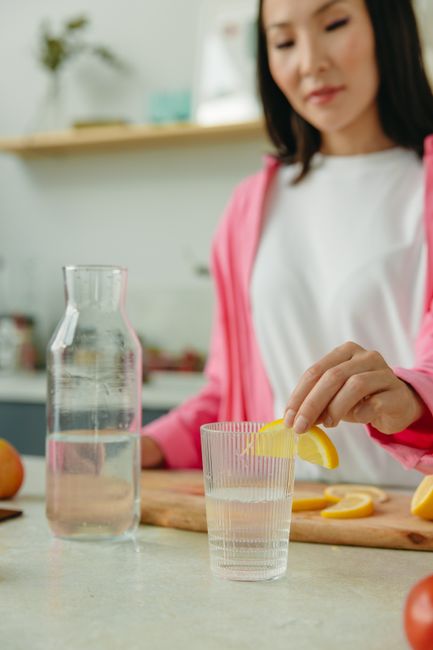
The combination of sodium, potassium from citrus juice, and a small amount of sugar from honey mirrors the basic formula used in oral rehydration solutions: salt and glucose together help the intestine absorb water faster than plain water alone, while potassium replaces what's lost through sweat.
- Prep
- 5 min
- Cook
- 0 min
- Total
- 5 min
- Servings
- 4
Ingredients
- 4 cups filtered water
- 1/4 cup fresh orange juice
- 2 tablespoons fresh lemon juice
- 1/4 teaspoon fine sea salt
- 2 tablespoons raw honey
Nutrition per serving
- Calories
- 41
- Protein
- 0g
- Carbs
- 11g
- Fat
- 0g
Based on the recipe as written, one serving. Recalculates if you swap an ingredient above. An estimate only, exact values depend on the specific ingredients used.
Need different units or a different yield? Try our Conversion Calculator →
Instructions
- 1Pour the filtered water into a pitcher or large mason jar.
- 2Squeeze in the fresh orange juice and lemon juice, straining out any seeds.
- 3Add the sea salt and honey directly to the pitcher.
- 4Whisk or stir vigorously for about 30 seconds until the salt and honey fully dissolve, no gritty salt should settle at the bottom.
- 5Taste and adjust: add another pinch of salt for a more savory, sports-drink-style balance, or a little more honey if it tastes too sharp.
- 6Chill for at least 30 minutes, or pour immediately over ice and serve.
Tips & variations
- For a version closer to a clinical oral rehydration solution, swap the honey for 2 tablespoons of granulated sugar and use the full 1/4 teaspoon of salt without reducing it.
- Replace up to half the water with coconut water for extra potassium and a naturally sweeter base, then cut the honey back by half.
- A pinch (about 1/8 teaspoon) of a potassium-based salt substitute, sold as "lite salt," boosts potassium further for long workouts or heat exposure.
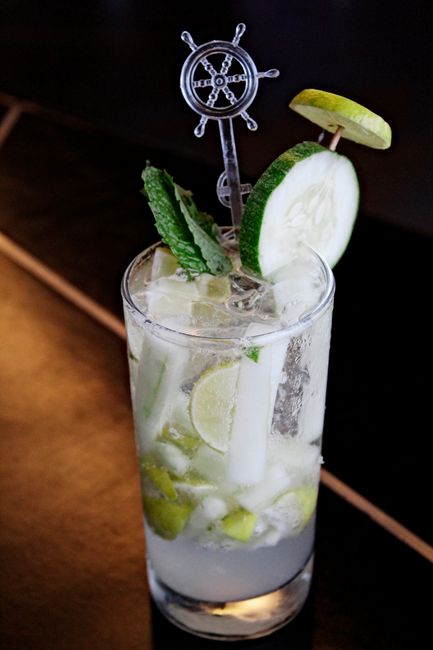
- Add a few slices of cucumber or a couple of mint leaves to the pitcher for flavor without added sugar or sodium.
- Diluting too much reduces the whole point of the drink, keep the salt-to-water ratio close to the recipe rather than watering it down further.
Storage & reheating
Store in a covered pitcher in the refrigerator for up to 3 days. The salt and honey can settle over time, so shake or stir well before pouring each glass. This drink isn't meant to be heated.
Tips from the Tulo kitchen
- A quarter teaspoon of salt in 4 cups of water sits right at the edge of what most people can taste as "salty," if it tastes noticeably like seawater, dilute with a bit more water rather than adding more.
- Using room-temperature or slightly warm water to start dissolves the honey faster; chill the finished batch afterward.
FAQ
Is homemade electrolyte water as effective as store-bought sports drinks?
For everyday hydration and light exercise, yes, since it supplies the same core electrolytes, sodium and potassium, plus a small amount of sugar to aid absorption. Commercial sports drinks add more precisely dosed electrolyte blends and are formulated for endurance athletes losing large amounts of sweat, so heavy or prolonged sweating may call for a stronger mix.
How much sodium and potassium does this recipe provide per serving?
Each 1-cup serving has roughly 145mg of sodium from the 1/4 teaspoon of salt divided across four servings, and about 60mg of potassium mostly from the orange juice, comparable to many commercial electrolyte drinks.
Can I make this without any added sugar or honey?
Yes, though the sugar helps the body absorb sodium and water more efficiently through the intestinal wall. Without it, the drink still replaces electrolytes but is absorbed somewhat more slowly, which matters most after intense sweating, not casual sipping.
What kind of salt works best?
Fine sea salt or table salt both dissolve quickly and work fine. Avoid coarse salts unless dissolved thoroughly, and skip iodized salt only if the metallic aftertaste bothers you, it doesn't affect the electrolyte content.