
Homemade Low-Sodium Cottage Cheese Recipe
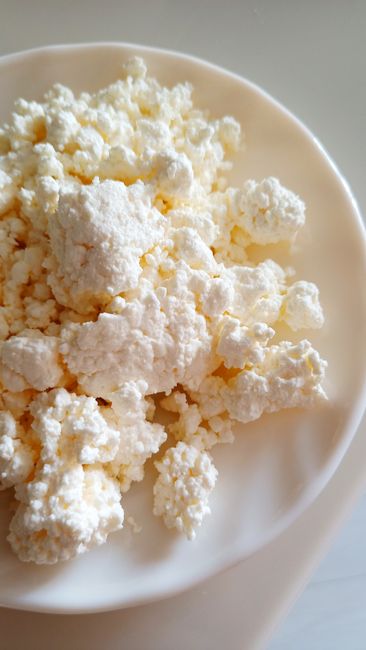
Store-bought cottage cheese typically carries 300-450mg of sodium per half-cup serving from the brine and preservatives used to extend shelf life. Making it at home with just milk and an acid like vinegar skips the brine entirely, and a final cold-water rinse washes away the residual acidic whey, so the finished curds land under 25mg of sodium per serving without sacrificing the mild, tangy flavor.
- Prep
- 10 min
- Cook
- 15 min
- Total
- 95 min
- Servings
- 4
Ingredients
- 8 cups whole milk
- 4 tbsp distilled white vinegar
- 2 tbsp heavy cream
Nutrition per serving
- Calories
- 327
- Protein
- 16g
- Carbs
- 24g
- Fat
- 19g
Based on the recipe as written, one serving. Recalculates if you swap an ingredient above. An estimate only, exact values depend on the specific ingredients used.
Need different units or a different yield? Try our Conversion Calculator →
Instructions
- 1Pour the whole milk into a large, heavy-bottomed pot. Heat over medium heat, stirring occasionally to prevent scorching, until the milk reaches 175-180°F (80-82°C), just below a simmer with small bubbles forming around the edge.
- 2Remove the pot from the heat and stir in the vinegar gently for about 30 seconds. Let the pot sit undisturbed for 10 minutes; the milk will separate into pale yellow whey and soft white curds.
- 3Line a colander with a double layer of cheesecloth and set it over a large bowl. Pour the curds and whey through the cloth and let drain for 5 minutes.
- 4Gather up the corners of the cheesecloth and rinse the curds under cold running water for 1-2 minutes, working them gently with your fingers to break up clumps.
- 5Let the curds drain for another 5 minutes, then turn them out into a bowl and break them up gently with a fork.
- 6Stir in the heavy cream a little at a time until the curds reach the creaminess you like. Cover and refrigerate for at least 1 hour before serving.
Tips & variations
- Fresh lemon juice can replace the vinegar in equal amounts for a slightly brighter, less sharp flavor.
- Whole milk produces noticeably creamier, larger curds than 2% or skim; low-fat versions will taste thinner and more watery.
- For flavored cottage cheese without the sodium spike, stir in fresh herbs, cracked black pepper, or a no-salt seasoning blend after draining rather than during cooking.
- A splash of unsalted cottage cheese-style seasoning or a squeeze of fresh chives works well for a savory version; fresh berries or diced fruit work for a sweeter one.
Storage & reheating
Store in an airtight container in the refrigerator for up to 5 days. The curds will release a small amount of liquid as they sit; drain it off or stir it back in before serving. This cheese is served cold and isn't meant to be reheated; heat will cause the curds to weep and turn watery.
Tips from the Tulo kitchen
- A digital thermometer clipped to the side of the pot makes it much easier to catch the milk right at 175-180°F without babysitting it constantly.
- If the curds seem too small or loose after draining, they were likely cut short on drain time; let them sit in the cheesecloth a few extra minutes before rinsing.
FAQ
Why is regular cottage cheese so high in sodium?
Commercial cottage cheese is typically packed in a light brine solution and includes added salt as a preservative and flavor enhancer, which is where most of the 300-450mg of sodium per serving comes from.
Can I make this without any dairy acid like vinegar?
No, an acid (vinegar, lemon juice, or citric acid) is what curdles the milk into curds and whey; without it, the milk will only thicken slightly and won't separate.
Can I use low-fat or skim milk instead of whole milk?
Yes, but expect smaller, less creamy curds and a drier texture. Whole milk gives the best balance of curd size and richness for this method.
Is this recipe actually low sodium enough for a sodium-restricted diet?
Yes. Made with unsalted milk and rinsed thoroughly, a half-cup serving typically has under 25mg of sodium, compared to 300-450mg in most commercial brands, though individuals on strict medical sodium limits should confirm the milk brand used has no added sodium.
Can I freeze homemade cottage cheese?
Freezing isn't recommended; the curds separate and turn grainy and watery once thawed, since the fresh curd structure doesn't hold up to ice crystal formation.