
Homemade Tonic Water Recipe
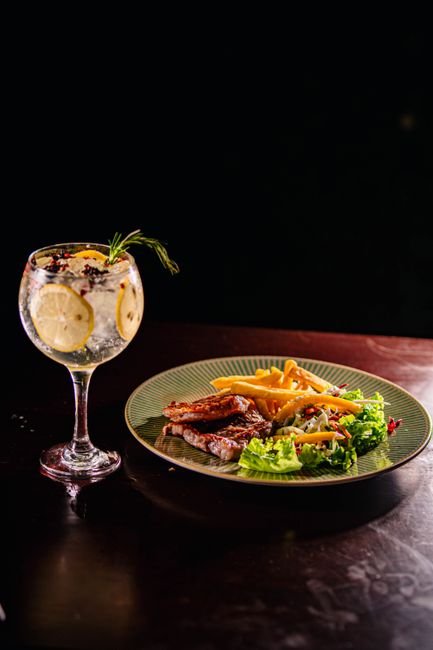
Simmering cinchona bark with citrus peel and warm spices pulls out real quinine bitterness and aromatic depth that bottled tonic syrups often fake with flavoring, while citric acid supplies the sharp tartness that balances the bitterness once the syrup is cut with soda water.
- Prep
- 15 min
- Cook
- 35 min
- Total
- 50 min
- Servings
- 16
Ingredients
- 4 cups water
- 3 tbsp cinchona bark powder
- 1 1/2 cups granulated sugar
- 1 tbsp citric acid
- 2 stalks lemongrass stalks, smashed and chopped
- 2 lemons lemon zest, in wide strips
- 1 lime lime zest, in wide strips
- 1 orange orange zest, in wide strips
- 1 tsp allspice berries
- 1 tsp juniper berries, lightly crushed
- 5 pods cardamom pods, crushed
- 1/4 tsp kosher salt
Nutrition per serving
- Calories
- 76
- Protein
- 0g
- Carbs
- 20g
- Fat
- 0g
Based on the recipe as written, one serving. Recalculates if you swap an ingredient above. An estimate only, exact values depend on the specific ingredients used.
Need different units or a different yield? Try our Conversion Calculator →
Instructions
- 1Combine the water, cinchona bark powder, lemongrass, lemon zest, lime zest, orange zest, allspice berries, juniper berries, and cardamom pods in a medium saucepan.
- 2Bring to a simmer over medium heat, then reduce the heat to low and simmer gently, uncovered, for 20-25 minutes.
- 3Remove the pan from the heat, cover, and let the mixture steep for 10 minutes to pull out more bitterness and aroma.
- 4Strain the liquid through a fine-mesh strainer lined with cheesecloth into a bowl, pressing on the solids with the back of a spoon to extract as much liquid as possible, then discard the solids.
- 5Return the strained liquid to the saucepan and whisk in the sugar and citric acid. Simmer over low heat for about 5 minutes, stirring, until the sugar fully dissolves.
- 6Stir in the salt, then remove from heat and let the syrup cool completely to room temperature before bottling.
- 7Transfer the cooled syrup to a clean bottle or jar and refrigerate.
- 8To serve, combine 1-2 tablespoons of tonic syrup with about 6 ounces of chilled club soda or sparkling water over ice. Stir gently and garnish with a lime wheel.
Tips & variations
- Cinchona bark powder is sold online from cocktail-supply and homebrew shops; look for food-grade bark specifically labeled for tonic making.
- Swap the orange zest for grapefruit peel for a more bittersweet, less candied finish.
- For a caffeine-free, quinine-free version for kids or anyone avoiding bark alkaloids, omit the cinchona bark and lean on extra citrus peel and juniper for the bitter-aromatic character instead.
- Start with 1 tablespoon of syrup per 6 ounces of soda water and adjust from there, since bitterness tolerance varies a lot more with tonic than with most syrups.
- A classic gin and tonic ratio here is about 2 ounces gin to 1-2 tablespoons syrup topped with soda water over ice.
Storage & reheating
Store the cooled syrup in an airtight bottle or jar in the refrigerator for up to 3 weeks. Shake or stir before each use, since some of the spice solids can settle even after straining. The syrup doesn't need reheating; just bring it to room temperature if it's thickened in the cold.
Tips from the Tulo kitchen
- Straining the syrup a second time through a coffee filter after the cheesecloth step gives a noticeably clearer, less cloudy tonic.
- Crush the cardamom pods and juniper berries with the flat of a knife before adding them; whole pods barely release any flavor in 25 minutes of simmering.
FAQ
Does homemade tonic water actually contain quinine?
Yes, if made with cinchona bark powder, which is the natural source of quinine. The amount extracted in a home kitchen is far lower than in pharmaceutical-grade quinine and is considered safe in beverage quantities, but anyone who is pregnant or sensitive to quinine should skip the bark or check with a doctor first.
How is this different from store-bought tonic water?
Most supermarket tonic water uses purified quinine extract and high-fructose corn syrup with little discernible spice character. This syrup keeps whole citrus peel, lemongrass, and warm spices intact, so the finished drink is more aromatic and less one-note bitter.
Can I use this syrup without alcohol?
Yes. Mixed with soda water it's simply homemade tonic water, and it also works well shaken with fresh lime juice over ice as a non-alcoholic spritz.
Why is my syrup cloudy?
Fine bark sediment that slipped through the cheesecloth is the usual cause. A second strain through a coffee filter or a fresh piece of cheesecloth will clear it up.
Can I make this less sweet?
Yes, reduce the sugar to 1 cup, but expect a syrup that needs to be used more sparingly, since the sugar also helps round out the bitterness from the bark.