
Homemade Turkey Feed Recipe
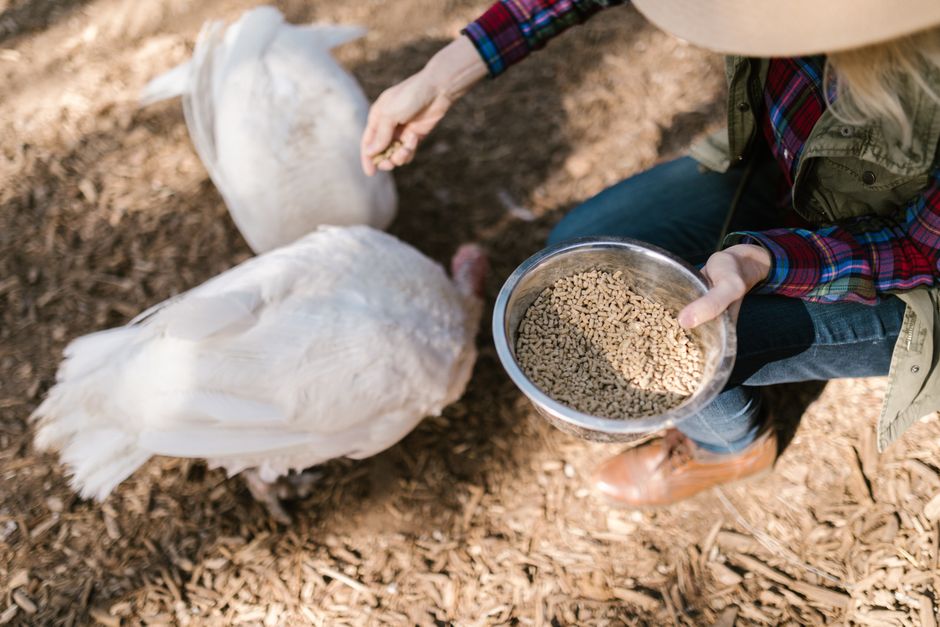
Turkeys are omnivores that need a mix of grain carbohydrates, animal or insect protein, greens, and mineral grit to stay healthy, this blend covers all four so it works as a supplement to commercial feed or a treat mix for free-ranging birds rather than an empty scoop of straight corn.
- Prep
- 15 min
- Cook
- 0 min
- Total
- 15 min
- Servings
- 10
Ingredients
- 4 cups cracked corn
- 2 cups rolled oats
- 2 cups whole wheat berries
- 1 cup black oil sunflower seeds
- 1 cup dried mealworms or black soldier fly larvae
- 1 cup alfalfa pellets or chopped dark greens
- 1/2 cup oyster shell grit
- 2 tablespoons poultry vitamin and mineral premix
Nutrition per serving
- Calories
- 649
- Protein
- 24g
- Carbs
- 110g
- Fat
- 16g
Based on the recipe as written, one serving. Recalculates if you swap an ingredient above. An estimate only, exact values depend on the specific ingredients used.
Need different units or a different yield? Try our Conversion Calculator →
Instructions
- 1Set out a large mixing tub, wheelbarrow, or clean feed bin large enough to hold all the dry ingredients at once.
- 2Pour in the cracked corn, rolled oats, and whole wheat berries first and stir them together as the grain base of the mix.
- 3Add the black oil sunflower seeds and dried mealworms (or soldier fly larvae), stirring well so the protein sources distribute evenly instead of settling at the bottom.
- 4Mix in the alfalfa pellets or chopped dark greens for fiber and extra vitamins.
- 5Sprinkle in the poultry vitamin and mineral premix and stir the whole batch thoroughly for at least a minute so no single scoop is over- or under-fortified.
- 6Transfer the finished mix into an airtight, rodent-proof bin and store it in a cool, dry spot away from direct sun.
- 7Offer the oyster shell grit separately in its own small dish or feeder rather than mixed into the feed, so birds can self-regulate how much they eat.
- 8Scatter or scoop the feed mix into a feeder as a supplement to a commercial turkey ration, or as a treat mix for free-ranging birds, adjusting the amount so it doesn't replace more than about a quarter of their daily diet.
Tips & variations
- For turkey poults under 8 weeks old, skip this mix entirely and use a commercial gamebird or turkey starter feed with at least 24-28% protein, their growth needs more concentrated protein than any homemade blend easily provides.
- In fall and winter, free-ranging turkeys naturally eat fewer insects and more acorns, seeds, and dried berries, so it's fine to lean the mix more toward grains and less toward mealworms during colder months.
- Skip legume-family seeds like raw dry beans and avoid avocado skin and pit, chocolate, and anything moldy, all of which are genuinely toxic or harmful to poultry.
- If mealworms aren't available, chopped hard-boiled eggs or plain cooked meat scraps are an acceptable occasional protein substitute.
Storage & reheating
Store the mixed feed in a sealed metal or heavy plastic bin in a cool, dry, rodent-proof area, and use it within 4 to 6 weeks for best freshness since the oils in sunflower seeds and dried larvae can turn rancid over time. Keep grit in its own separate, always-available container rather than storing it mixed into the feed.
Tips from the Tulo kitchen
- Scatter the feed over a wide area on the ground instead of piling it in one trough, turkeys forage naturally and spreading it out reduces bullying among lower-ranked birds in a flock.
- Watch how much is left after a couple of hours; if birds are cleaning out the feeder within minutes, they need a bigger portion, and if a lot is left untouched by evening, cut back to avoid attracting rodents overnight.
FAQ
What do wild turkeys eat?
Wild turkeys are opportunistic omnivores that eat acorns, seeds, wild berries, grasses, and a large amount of insects, grubs, and even small amphibians or lizards when available, their diet shifts heavily toward insects in spring and summer and toward nuts and seeds in fall and winter.
What do pet or farm turkeys eat that's different from wild ones?
Farm and backyard turkeys are usually fed a commercial poultry or gamebird feed formulated for their age, since foraging alone rarely supplies enough consistent protein and minerals for healthy growth; grain and seed mixes like this one are meant as a supplement, not a full replacement.
Can turkeys eat kitchen scraps?
Most plain fruit and vegetable scraps, cooked grains, and small amounts of cooked meat are fine, but avoid avocado skin and pit, chocolate, raw dried beans, salty or processed foods, and anything moldy, all of which can make poultry sick.
How much food does an adult turkey eat per day?
An adult turkey typically eats roughly 0.5 to 1 pound of feed a day depending on its size and activity level, with free-ranging birds eating somewhat less purchased feed since they're also foraging on their own.
Do baby turkeys (poults) eat the same thing as adults?
No. Poults need a higher-protein starter feed, generally 24-28% protein for the first 6-8 weeks, before gradually transitioning to a lower-protein grower or maintenance ration as they mature.
Is cracked corn alone a good turkey feed?
No. Corn is calorie-dense but low in protein and several minerals, so relying on it as the sole feed source over time can lead to poor growth and weak eggshells in laying hens; it works best as one part of a varied mix.