Kaki Fruit Salad Recipe
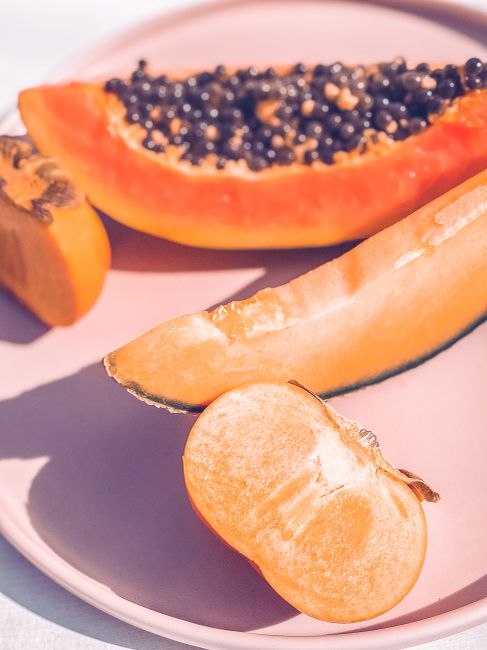
Fuyu kaki fruit is sweet and firm enough to eat like an apple, skin and all, so slicing it raw and pairing it with tart lime, honey, and cool yogurt lets its natural sugars and slightly spiced flavor come through without any cooking.
- Prep
- 10 min
- Cook
- 0 min
- Total
- 10 min
- Servings
- 4
Ingredients
- 4 medium Fuyu kaki fruit (persimmons), ripe
- 1 cup plain Greek yogurt
- 2 tbsp honey
- 1 medium lime, juiced
- 1/4 cup pistachios or walnuts, chopped and toasted
- 2 tbsp fresh mint leaves, torn
Nutrition per serving
- Calories
- 231
- Protein
- 8g
- Carbs
- 46g
- Fat
- 4g
Based on the recipe as written, one serving. Recalculates if you swap an ingredient above. An estimate only, exact values depend on the specific ingredients used.
Need different units or a different yield? Try our Conversion Calculator →
Instructions
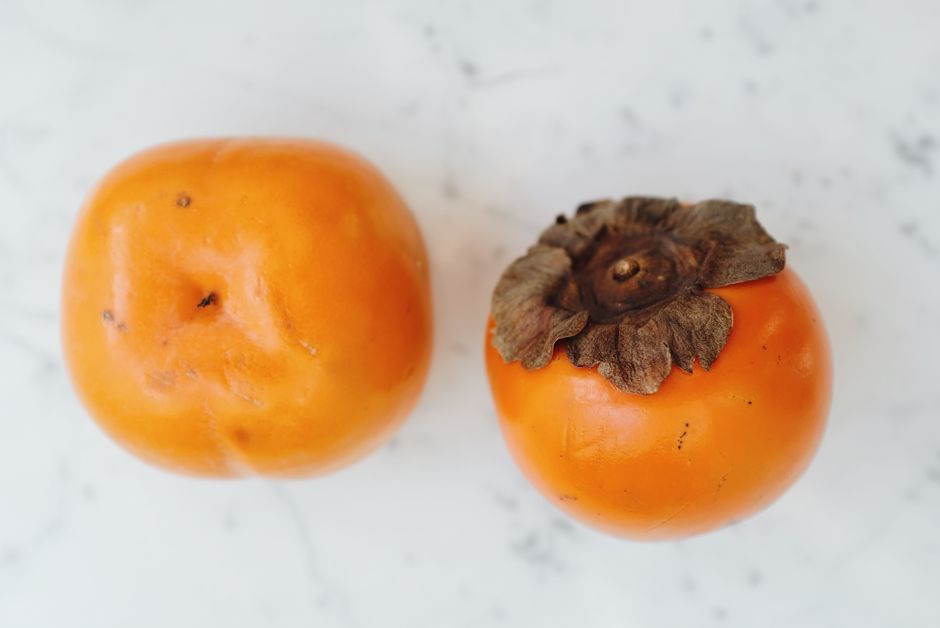
- 1Check that the kaki fruit is ready to eat: Fuyu persimmons should be firm but give slightly at the top, like a ripe tomato, and their skin should be a deep orange with no green left near the stem.
- 2Rinse the fruit under cool water and pat dry. There's no need to peel Fuyu kaki, the thin skin is edible and adds a bit of texture.
- 3Use a paring knife to cut out the leafy cap at the top, then slice each persimmon into 6-8 wedges, or cut crosswise into rounds if you prefer coin-shaped slices.
- 4Fan the slices out on a serving plate or divide them among four bowls.
- 5Whisk the lime juice and honey together in a small bowl, then drizzle it evenly over the sliced fruit.
- 6Spoon the Greek yogurt alongside or over the fruit, then scatter the toasted nuts and torn mint leaves on top. Serve right away.
Tips & variations
- If the kaki fruit on hand is a Hachiya (more pointed, acorn-shaped) rather than a Fuyu (flat-bottomed, tomato-shaped), don't slice it while firm. Let it sit at room temperature until the flesh is soft and almost translucent, then scoop it out with a spoon like a custard.
- Underripe kaki fruit of either variety can be ripened faster in a paper bag with a banana or apple at room temperature for a few days.
- Freeze whole ripe kaki fruit for about 2 hours, then slice it while still icy for a sorbet-like texture, a common way to eat overripe Hachiya without the mess.
- Thin slices of Fuyu kaki also work well folded into a salad with arugula, goat cheese, and a light vinaigrette instead of the yogurt here.
Storage & reheating
This is a raw, no-cook dish best assembled just before serving, since sliced kaki fruit browns and softens within a few hours in the fridge. Whole unripe kaki fruit keeps at room temperature for several days until it softens or reaches the color and give described in step 1; once ripe, move it to the refrigerator and eat within 2-3 days.
Tips from the Tulo kitchen
- A firm Fuyu that still tastes slightly chalky or tannic on the tongue isn't ripe yet, even if the color looks right; give it another day or two at room temperature.
- Toasting the nuts in a dry skillet over medium heat for 2-3 minutes before chopping brings out a lot more flavor than using them raw.
FAQ
How do you eat kaki fruit?
Fuyu kaki (the flat, tomato-shaped variety) is eaten raw while still firm, sliced into wedges skin and all, similar to an apple or a firm pear. Hachiya kaki (the pointed, acorn-shaped variety) needs to ripen until fully soft and jelly-textured before eating, then is usually scooped out with a spoon rather than sliced.
Do you need to peel kaki fruit before eating it?
No, for Fuyu kaki the skin is thin and edible and most people eat it unpeeled. Some people still prefer to peel it for texture, but it isn't necessary. Very soft, ripe Hachiya kaki is usually eaten with a spoon after halving, leaving the skin behind.
What's the difference between kaki and persimmon?
Kaki is simply the Japanese name for the persimmon (specifically Diospyros kaki, the Asian persimmon species most commonly sold fresh). In English-language grocery stores, the same fruit is usually just labeled 'persimmon,' with Fuyu and Hachiya being the two most common varieties.
Why does an unripe kaki fruit taste so bitter or chalky?
Unripe persimmons, especially Hachiya, contain high levels of soluble tannins that bind to proteins in saliva and create a strong drying, puckering sensation. As the fruit ripens, those tannins break down or become insoluble, which is why texture and ripeness matter so much more with persimmons than with most other fruit.
Can you cook kaki fruit instead of eating it raw?
Yes, ripe kaki fruit can be baked into breads and puddings much like ripe banana, or dried whole into hoshigaki, a traditional Japanese preparation where peeled persimmons are hung to air-dry over several weeks until chewy and concentrated in sugar.