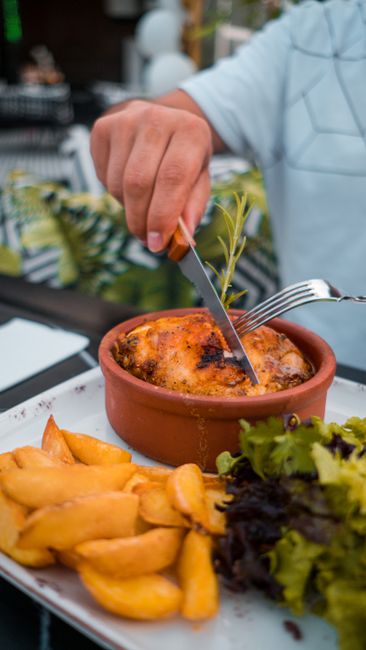
Low Residue Chicken and Rice Soup Recipe
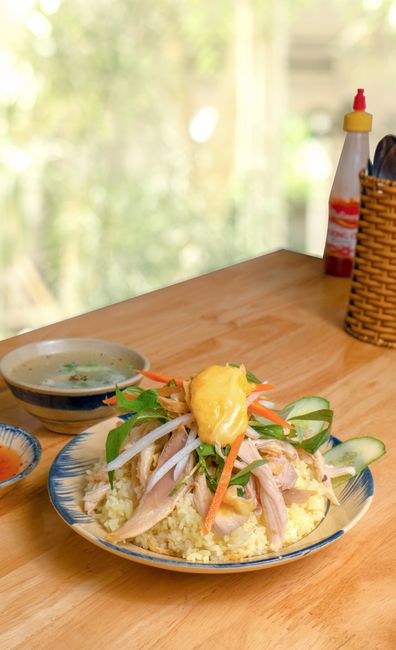
Every ingredient here is chosen for low fiber content and easy digestibility: skinless chicken breast, well-cooked white rice, peeled and finely diced carrots, and a strained low-sodium broth, so the soup is filling and nourishing without leaving behind tough skins, seeds, or hard-to-digest fiber.
- Prep
- 10 min
- Cook
- 40 min
- Total
- 50 min
- Servings
- 6
Ingredients
- 1 1/2 lb boneless, skinless chicken breast
- 8 cups low-sodium chicken broth, strained
- 3/4 cup white long-grain rice
- 1 cup carrots, peeled and finely diced
- 2 tbsp unsalted butter
- 1 tsp dried thyme
- 1 leaf bay leaf
- 2 yolks large egg yolks
- 1 tsp salt
Nutrition per serving
- Calories
- 354
- Protein
- 42g
- Carbs
- 22g
- Fat
- 10g
Based on the recipe as written, one serving. Recalculates if you swap an ingredient above. An estimate only, exact values depend on the specific ingredients used.
Need different units or a different yield? Try our Conversion Calculator →
Instructions
- 1Melt the butter in a large pot over medium heat. Add the diced carrots and cook for 3-4 minutes, stirring, until just softened but not browned.
- 2Pour in the strained chicken broth and add the chicken breasts, thyme, and bay leaf. Bring to a gentle boil, then reduce to a low simmer.
- 3Cover partially and simmer for 18-20 minutes, until the chicken reaches an internal temperature of 165°F (74°C).USDA safe minimum for poultry: 165°F (74°C)
- 4Remove the chicken to a plate, discard the bay leaf, and shred the chicken into fine, bite-sized pieces once cool enough to handle.
- 5Stir the rice into the simmering broth. Cook uncovered for 15-18 minutes, until the rice is very tender and starting to break down slightly, not just al dente.
- 6In a small bowl, whisk the egg yolks with a ladleful of the hot broth to temper them, then stir the mixture back into the pot to lightly thicken and enrich the soup.
- 7Return the shredded chicken to the pot, season with salt, and simmer for 2 more minutes to warm through.
- 8For a stricter low residue phase, strain the finished soup through a fine sieve, pressing gently, to remove any remaining solid bits before serving.
Tips & variations
- Peel carrots fully and dice them small, any bit of skin or thick core adds fiber that a low residue diet is meant to avoid.
- Swap the chicken for firm, well-drained tofu if a vegetarian version is needed, it shreds and softens the same way.
- Skip the egg yolk tempering step and the soup is still complete, it's there for richness and easy-to-digest protein, not structure.
- Avoid adding celery, onion, or garlic pieces directly to the pot if following a strict low residue phase, sauté them in the butter for flavor, then strain them out with the broth before use.
Storage & reheating
Refrigerate in an airtight container for up to 4 days. The rice will keep absorbing broth as it sits, so add an extra splash of broth or water when reheating on the stove over low heat, stirring often, until warmed through.
Tips from the Tulo kitchen
- If a fine sieve isn't available, a clean kitchen towel laid inside a colander catches even small bits of rice and carrot when straining.
- Buying broth labeled 'clear' or 'strained' rather than a hearty or bone broth style saves a straining step later, since those already have solids removed.
FAQ
What exactly is a low residue diet?
It's a short-term eating plan that limits fiber and other hard-to-digest material (skins, seeds, tough fibers, whole grains, raw produce) to reduce stool volume and ease digestion, commonly used before colonoscopies, during IBD flares, or after certain bowel surgeries.
Why is rice cooked softer than usual in this recipe?
Overcooking the rice slightly breaks down more of its starch, making it easier to digest than rice cooked to a normal al dente texture, which still matters even though rice itself is already low in fiber.
Can this soup be made ahead for a colonoscopy prep diet?
Yes. Make it up to 2 days ahead and strain it fully before storing, since straining right before serving can leave the broth sitting with solids in it longer than ideal for food safety.
Is chicken breast necessary, or can other proteins be used?
Any well-cooked, skinless, boneless protein works, such as turkey breast or firm tofu; the key is removing skin and connective tissue, which are harder to digest than the lean muscle meat itself.
How long can someone typically stay on a low residue diet?
It depends on the medical reason and should follow a doctor's or dietitian's specific guidance, but it's generally meant as a short-term diet rather than a long-term eating pattern, since it restricts many otherwise healthy high-fiber foods.