Pan-Seared Duck Breast Recipe
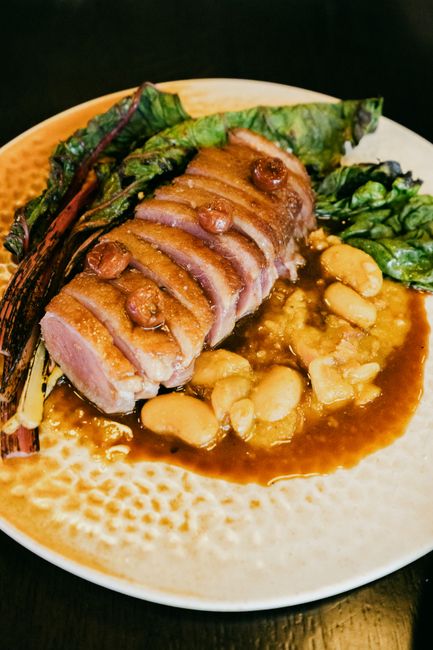
Starting the duck skin-side down in a cold, dry pan and bringing the heat up gradually renders the thick fat cap slowly, which is what gets the skin genuinely crisp without the fat spitting or the meat overcooking.
- Prep
- 10 min
- Cook
- 15 min
- Total
- 25 min
- Servings
- 2
Ingredients
- 2 whole duck breasts, skin on
- 1 tsp salt
- 1/2 tsp black pepper
- 2 sprigs fresh thyme sprigs
- 1 clove garlic clove, smashed
Need different units or a different yield? Try our Conversion Calculator →
Instructions
- 1Pat the duck breasts dry and score the skin in a crosshatch pattern, cutting through the fat but not into the meat.
- 2Season both sides generously with salt and pepper.
- 3Place the duck breasts skin-side down in a cold, dry skillet and set over medium-low heat.
- 4Cook undisturbed for 10-12 minutes, occasionally spooning off excess rendered fat, until the skin is deep golden brown and very crisp.
- 5Add the thyme and garlic to the pan, flip the breasts, and sear the second side for 2-3 minutes for medium-rare.
- 6Transfer to a cutting board and rest for 5-8 minutes before slicing against the grain.
Tips & variations
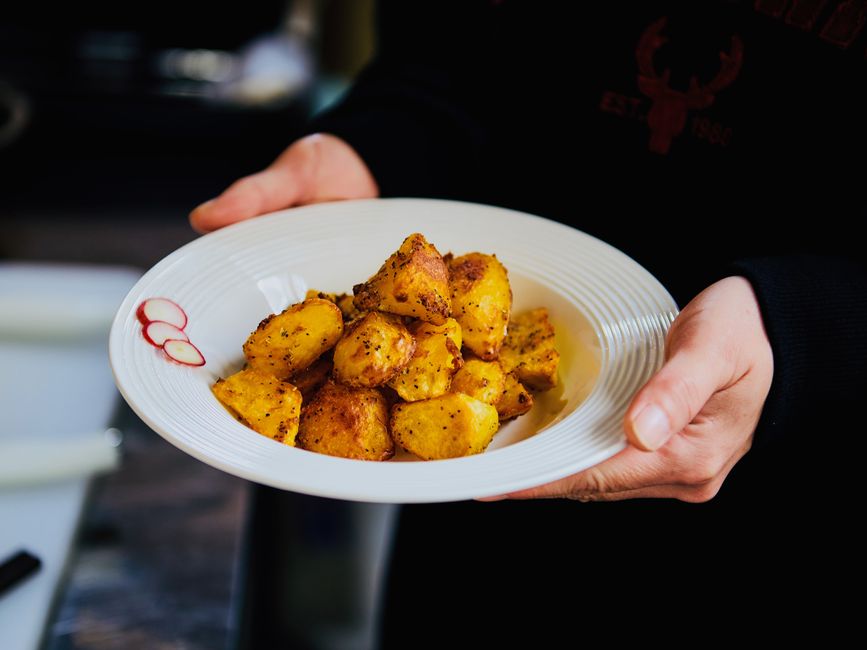
- Save the rendered fat, strained and refrigerated it keeps for months and is excellent for roasting potatoes or vegetables.
- Finish with a quick pan sauce: deglaze with a splash of red wine or orange juice and a spoonful of the drippings after removing the duck.
- A five-spice or orange zest rub on the meat side is a common variation before searing.
Storage & reheating
Refrigerate sliced or whole duck breast in an airtight container for up to 3 days. Reheat gently in a low oven or a covered skillet over low heat, high heat will quickly overcook meat that was already cooked to medium-rare.
Nutrition
A rich source of protein and iron; duck breast carries more fat than chicken breast, though much of it renders out and can be discarded during cooking.
Tips from the Tulo kitchen
- Use an instant-read thermometer if you're unsure, pull the duck at 130-135°F for medium-rare, it will climb a few more degrees as it rests.
- Score the fat, not the meat, cutting too deep lets juices escape during cooking and toughens the meat.
FAQ
Why do you start duck breast in a cold pan?
It gives the thick layer of fat under the skin time to render slowly as the pan heats up, which is what produces genuinely crisp skin. Starting in a hot pan browns the outside before the fat has melted, leaving it chewy.
What temperature should duck breast be cooked to?
Most cooks prefer duck breast at medium-rare to medium, around 130-140°F, since it's a lean, dark meat that turns tough and livery well done.
Why score the skin before cooking?
Scoring lets the fat render out faster and more evenly, and helps the skin crisp instead of curling up away from the pan as it cooks.