
Perfect Stovetop White Rice Recipe (Plus What to Do If You Find Mold on It)
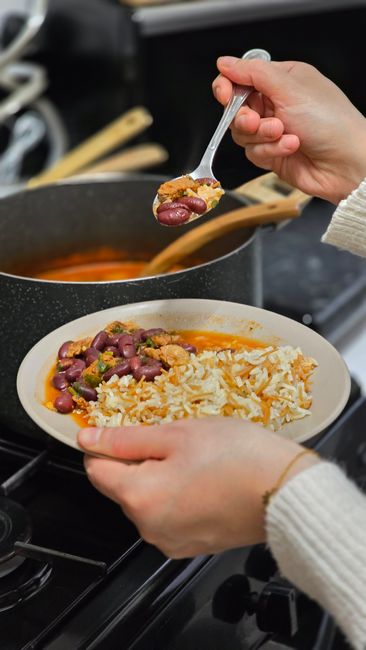
Rinsing the rice first strips off surface starch so the grains cook up separate instead of gummy, and a tight lid with an untouched simmer traps steam evenly so the rice cooks through without scorching on the bottom or drying out on top.
- Prep
- 5 min
- Cook
- 20 min
- Total
- 30 min
- Servings
- 4
Ingredients
- 1 cup long-grain white rice
- 2 cups water
- 1/2 tsp salt
- 1 tsp butter or neutral oil (optional)
Nutrition per serving
- Calories
- 180
- Protein
- 3g
- Carbs
- 38g
- Fat
- 1g
Based on the recipe as written, one serving. Recalculates if you swap an ingredient above. An estimate only, exact values depend on the specific ingredients used.
Need different units or a different yield? Try our Conversion Calculator →
Instructions
- 1Rinse the rice in a fine-mesh strainer or a bowl of cold water, swirling with your fingers and draining 2-3 times, until the water runs mostly clear.
- 2Combine the rinsed rice, water, and salt in a medium saucepan and bring to a boil over high heat, uncovered.
- 3Once boiling, reduce the heat to low, cover tightly with a lid, and simmer for 15-18 minutes without lifting the lid.
- 4Remove the pot from the heat and let it rest, still covered, for 5-10 minutes so the steam finishes cooking the grains evenly.
- 5Fluff the rice with a fork, stir in the butter or oil if using, and serve.
Tips & variations
- If you find mold anywhere on raw, dry rice (fuzzy gray, white, or greenish patches, often clumped near a spot where moisture got in), discard the entire bag or container. Mold spreads through dry grains even where you can't see it, and cooking does not destroy the toxins some molds produce.
- If mold appears on cooked, stored rice, throw out the whole batch, not just the moldy-looking portion. Do not scoop out the bad spots and eat the rest.
- To prevent it from happening again, cool cooked rice quickly (spread it on a sheet pan for 10-15 minutes) rather than leaving the pot to cool on the counter for hours before refrigerating.
- Store dry rice in a sealed, airtight container in a cool, dry pantry; humidity and warmth are what let mold spores already present on the grain take hold.
- Never leave a rice cooker on the warm setting for more than a few hours; the combination of warmth and residual moisture is a common cause of rice going moldy or slimy within a single day.
Storage & reheating
Cool cooked rice within an hour of cooking, then store it in an airtight container in the refrigerator for up to 4 days. Reheat with a splash of water, covered, in the microwave or a skillet until it's steaming hot all the way through (an internal temperature of at least 165°F/74°C). Rice can also be frozen in a flat layer for up to 1 month and reheated straight from frozen. If you ever open a container of cooked or dry rice and see fuzzy spots, discoloration, a sour or musty smell, or a slimy texture, discard it immediately rather than trying to salvage any portion.
Tips from the Tulo kitchen
- A rice cooker with a built-in fan-cool or quick-cool cycle drops the temperature faster than leaving the pot on the counter, which cuts down on the humid window mold spores need to grow.
- Buying rice in smaller bags and finishing them within a couple of months avoids the slow moisture buildup that happens in a half-full bag sitting in a humid kitchen for a year.
- Keeping a small silica packet or a few dry bay leaves in the rice container helps control ambient moisture in humid climates.
FAQ
What should I do if I find mold on rice?
Discard the rice entirely, whether it's raw or cooked. Mold on grains isn't limited to the visible fuzzy patch; its roots and any toxins it has produced can extend through the rest of the batch even where nothing looks discolored.
Can cooking kill mold on rice and make it safe to eat?
No. Heat kills the live mold organism, but some molds produce mycotoxins that are heat-stable and survive cooking. There is no reliable way to know which mold you're looking at, so treat any moldy rice as unsafe regardless of how it's cooked afterward.
Is it safe to just scoop out the moldy part and eat the rest?
It's not recommended. Mold sends microscopic filaments through soft, moist food far beyond what's visible on the surface, which is very different from trimming mold off a hard cheese or firm vegetable. With rice, the safest move is to throw out the whole container.
Why did my rice go moldy so quickly?
The most common causes are cooling cooked rice too slowly before refrigerating, storing it in a container that wasn't fully airtight, or leaving dry rice in a humid pantry where ambient moisture lets existing spores on the grain activate.
How can I tell if cooked rice has gone bad even without visible mold?
Check for a sour, musty, or off smell, a slimy or sticky-beyond-normal texture, or any discoloration. If any of those are present, discard it even if you don't see obvious fuzzy mold spots.