
Pickle Juice Recipe
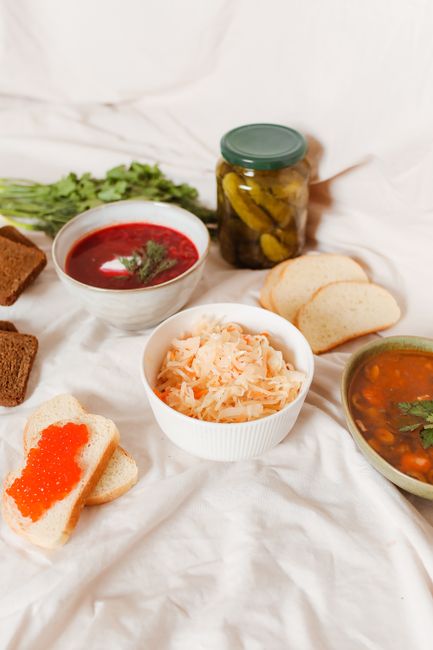
Simmering the water, vinegar, salt, and sugar together fully dissolves the seasonings so the brine tastes balanced instead of sharp or gritty, and letting it cool before adding garlic and dill keeps their flavor fresh rather than cooked-out. The same brine works two ways: poured over cucumbers for a fast refrigerator pickle, or strained and chilled to drink straight as a tart, salty tonic.
- Prep
- 10 min
- Cook
- 5 min
- Total
- 135 min
- Servings
- 8
Ingredients
- 3 cups water
- 1 cup distilled white vinegar
- 2 tablespoons kosher salt
- 1 tablespoon granulated sugar
- 4 cloves garlic cloves, smashed
- 4 sprigs fresh dill sprigs
- 1 teaspoon black peppercorns
Nutrition per serving
- Calories
- 15
- Protein
- 0g
- Carbs
- 3g
- Fat
- 0g
Based on the recipe as written, one serving. Recalculates if you swap an ingredient above. An estimate only, exact values depend on the specific ingredients used.
Need different units or a different yield? Try our Conversion Calculator →
Instructions
- 1Combine the water, vinegar, kosher salt, and sugar in a small saucepan.
- 2Bring to a gentle simmer over medium heat, stirring occasionally, until the salt and sugar fully dissolve, about 3-4 minutes. Don't let it come to a hard boil.
- 3Remove from the heat and stir in the smashed garlic cloves, dill sprigs, and peppercorns.
- 4Let the brine cool completely to room temperature, about 20 minutes, before it touches anything you'll drink or refrigerate.
- 5Pour the cooled brine over sliced cucumbers packed into a clean jar for a quick pickle, or strain out the solids for a clear brine to drink on its own.
- 6Refrigerate at least 4 hours (for pickles) or until fully chilled (for drinking); the flavor rounds out and the raw vinegar edge softens as it sits.
- 7Store covered in the refrigerator and shake or stir before serving, since some seasoning settles at the bottom.
Tips & variations
- Swap half the white vinegar for apple cider vinegar for a rounder, less sharp flavor if you're drinking it straight.
- For a post-workout sipper, dilute 2-3 tablespoons of brine into a glass of water instead of drinking it undiluted; you get the sodium and flavor without as much of the salt hit.
- Add a few slices of fresh jalapeño with the garlic for a spicier version.
- Don't toss the brine left in a jar of store-bought pickles, it has the same electrolyte profile and can be used to top off a homemade batch or sipped the same way.
Storage & reheating
Store the strained brine in an airtight jar or bottle in the refrigerator for up to 1 month; the vinegar and salt keep it stable, but flavor is best within the first two weeks. No reheating needed, serve cold.
Tips from the Tulo kitchen
- A splash of the brine in a glass of ice water is easier to get down than a shot of straight pickle juice, and it still delivers the sodium.
- If the brine tastes too sharp straight out of the fridge, let it sit out for 10 minutes; cold vinegar reads more acidic on the tongue than the same brine at room temperature.
FAQ
Is pickle juice good for you?
It's a concentrated source of sodium and, to a lesser extent, potassium and calcium, which is why it's used as a quick electrolyte replacer after sweating. A small 2010 study found it eased exercise-induced muscle cramps faster than plain water, likely through a nerve reflex triggered by the vinegar's acidity rather than rehydration itself. It isn't a health drink in the way plain water or an electrolyte solution is, and its sodium content (often 200-400mg per ounce depending on the brine) makes it a poor daily habit for anyone watching blood pressure.
How much pickle juice is safe to drink?
A couple of tablespoons to about 2 ounces at a time is enough to get the sodium and flavor benefit without overloading on salt; drinking a full cup or more in one sitting can cause stomach upset and pushes sodium intake well past what most people need in one dose.
Does pickle juice actually stop muscle cramps?
Research on athletes points to yes, and faster than water alone, but the effect shows up within about 30-90 seconds, too quickly to be full rehydration. Researchers believe the vinegar triggers a reflex in the mouth and throat that interrupts the nerve signal causing the cramp, separate from any electrolyte absorption.
Can pickle juice cause bloating or water retention?
Yes, its high sodium content can cause the body to hold onto extra water short-term, which shows up as puffiness or bloating, especially if it's on top of an already salty day of eating.
Is it safe to drink the leftover juice from a jar of store-bought pickles?
Generally yes if the jar has been refrigerated and the pickles smell and look normal; the brine is highly acidic and salty enough to resist spoilage for weeks. Discard it if the liquid looks cloudy in a way that wasn't there originally, smells off, or the jar was left unrefrigerated for an extended period.