Pu-erh Tea Recipe
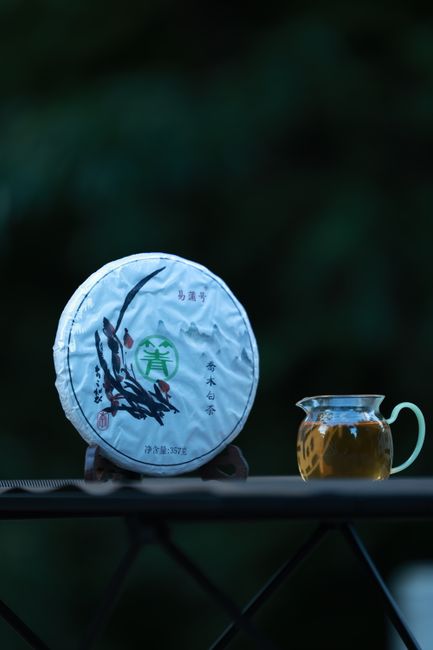
Pu-erh leaves are compressed and often dusty from aging, so a quick rinse wakes them up and washes away loose sediment before the tea is actually brewed. Steeping in short bursts with a high leaf-to-water ratio, rather than one long steep, pulls out the tea's earthy sweetness across several infusions instead of one bitter, muddy cup.
- Prep
- 5 min
- Cook
- 10 min
- Total
- 15 min
- Servings
- 4
Ingredients
- 1 tablespoon loose-leaf pu-erh tea (raw or ripe)
- 4 cups filtered water
- 1 teaspoon rock sugar or honey (optional)
Nutrition per serving
- Calories
- 4
- Protein
- 0g
- Carbs
- 1g
- Fat
- 0g
Based on the recipe as written, one serving. Recalculates if you swap an ingredient above. An estimate only, exact values depend on the specific ingredients used.
Need different units or a different yield? Try our Conversion Calculator →
Instructions
- 1Bring the water to a full rolling boil, 200-212°F (93-100°C); pu-erh, unlike green tea, needs fully boiled water to open up.
- 2Add the loose pu-erh leaves to a gaiwan, small clay teapot, or any heatproof vessel with a lid.
- 3Pour just enough boiling water over the leaves to cover them, swirl gently for 5-10 seconds, then immediately drain off and discard this rinse water.
- 4Pour fresh boiling water over the rinsed leaves and steep for 10-15 seconds, then pour the tea off completely into a serving pitcher or cups so the leaves don't keep steeping.
- 5Steep a second infusion for 15-20 seconds, pouring off completely again.
- 6Continue steeping additional infusions, adding about 5-10 seconds to each round; the same leaves can typically be steeped 6-8 times before the flavor fades.
- 7Serve hot, sweetened with rock sugar or honey if desired.
Tips & variations
- Use noticeably more leaf than for green or black tea, roughly 1 tablespoon per 4 to 6 ounces of water, since pu-erh is meant to be brewed strong and diluted through repeat infusions rather than steeped long in a lot of water.
- Ripe (shou) pu-erh tastes darker, smoother, and more earthy right away; raw (sheng) pu-erh is sharper and more astringent when young but mellows with age, so start with ripe if this is a first try.
- Break off a piece from a compressed cake or brick gently with a tea knife or pick along the layers rather than snapping it, which crushes the leaves and makes the tea brew cloudy and overly strong.
- A small unglazed clay (yixing) teapot dedicated only to pu-erh will season over time and round out the flavor of every steep.
Storage & reheating
Brewed pu-erh is best served fresh and doesn't reheat well, since repeated heating flattens its aroma; brew a fresh infusion instead of microwaving leftovers. Store dry pu-erh leaves or cakes wrapped loosely in breathable paper (not plastic) in a cool, dark spot with some airflow, away from strong odors, which pu-erh readily absorbs.
Tips from the Tulo kitchen
- A gaiwan gives more control over quick infusions than a mug with a strainer, since the lid can be tilted to pour off the tea fast without leaving leaves stewing.
- If a rinse round tastes fine, it's safe to drink instead of discarding it, some brewers keep the rinse for very high-quality or younger raw pu-erh where little sediment is present.
FAQ
What's the difference between raw and ripe pu-erh?
Raw (sheng) pu-erh is unoxidized and aged naturally over months or years, giving a sharper, more astringent, evolving flavor. Ripe (shou) pu-erh goes through an accelerated wet-piling fermentation process, so it tastes dark, smooth, and earthy from the very first batch.
Why do you rinse pu-erh before brewing it?
Pu-erh is often pressed into cakes or bricks and aged for years, so a quick rinse with hot water clears away any loose dust or sediment from that pressing and aging and helps the tightly rolled leaves start to open before the real steeping begins.
How much caffeine is in pu-erh tea?
A typical cup has roughly 60 to 70 mg of caffeine, somewhat less than black tea and noticeably less than coffee, though this varies with leaf amount and steep time.
Can the same pu-erh leaves be reused?
Yes. Good-quality pu-erh can usually be steeped 6 to 8 times from the same leaves, with each infusion needing a slightly longer steep than the last as the leaves give up less flavor.