Red Bean Paste Recipe
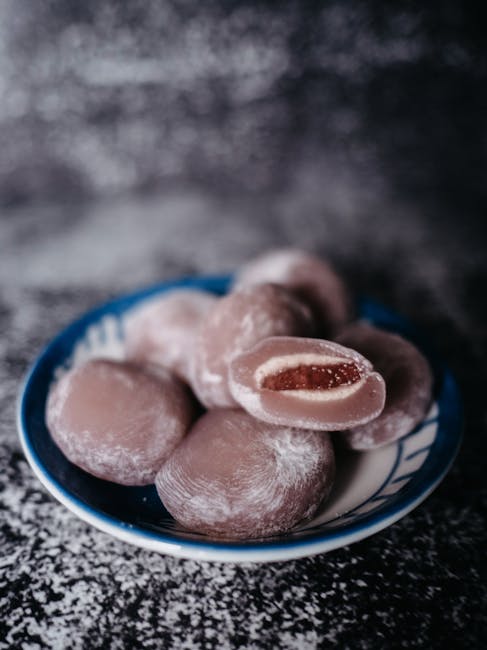
Simmering dried adzuki beans low and slow before adding sugar lets the skins soften fully, so the beans mash into a smooth, cohesive paste instead of staying grainy. Cooking the sugar in afterward, rather than with the beans from the start, keeps the skins from toughening, since sugar added too early can prevent beans from softening properly.
- Prep
- 15 min
- Cook
- 1 hr 20 min
- Total
- 1 hr 35 min
- Servings
- 20
Ingredients
- 1 cup dried adzuki beans
- 4 cups water, for boiling (plus more as needed)
- 3/4 cup granulated sugar
- 1/4 tsp salt
- 1 tbsp neutral oil, such as vegetable or grapeseed
Nutrition per serving
- Calories
- 66
- Protein
- 2g
- Carbs
- 13g
- Fat
- 1g
Based on the recipe as written, one serving. Recalculates if you swap an ingredient above. An estimate only, exact values depend on the specific ingredients used.
Need different units or a different yield? Try our Conversion Calculator →
Instructions
- 1Rinse the dried adzuki beans and pick out any shriveled beans or debris. Place in a bowl, cover with several inches of cold water, and soak at room temperature for at least 6 hours or overnight.
- 2Drain the soaked beans and transfer to a saucepan. Cover with the 4 cups fresh water, bring to a boil, then reduce to a low simmer and skim off any foam that rises to the surface.
- 3Partially cover and simmer for 45-60 minutes, topping up with a splash of hot water if the level drops below the beans, until a bean mashes easily between two fingers with no firm core.
- 4Drain the beans, reserving a small cup of the cooking liquid, and return the beans to the pan.
- 5Mash the beans with a potato masher or the back of a spoon to your preferred texture, leaving some whole beans for a chunky paste (tsubuan) or mashing fully smooth for a finer one, adding a splash of the reserved liquid if the mixture seems dry.
- 6Set the pan over medium-low heat and stir in the sugar and salt. Cook, stirring frequently, for 15-20 minutes, until the paste thickens and starts to pull away from the sides of the pan.
- 7Stir in the oil during the last 2 minutes of cooking; this gives the paste a glossy finish and keeps it from sticking as it cools.
- 8Remove from heat and let cool completely in the pan; the paste will thicken further as it cools. Transfer to an airtight container.
Tips & variations
- For a fully smooth koshian-style paste, push the cooked beans through a fine mesh sieve before adding sugar, discarding the loosened skins left behind.
- Taste the paste before it fully cools and adjust sugar in small amounts; it will taste less sweet warm than at room temperature.
- Swap in mung beans for a lighter-colored paste used in some Chinese and Vietnamese pastries; the method is identical.
- A few drops of vanilla or a small piece of kombu simmered with the beans (then removed) rounds out the flavor without tasting distinctly of either.
Storage & reheating
Store cooled red bean paste in an airtight container in the refrigerator for up to 1 week. Freeze in a flat zip-top bag for up to 3 months; thaw overnight in the fridge. If the paste stiffens after chilling, warm it briefly in a pan or microwave with a teaspoon of water, stirring until it loosens back to a spreadable consistency.
Tips from the Tulo kitchen
- A pressure cooker cuts the bean-softening step to about 20 minutes at high pressure with a natural release, which is worth it if the beans are older and slow to soften on the stovetop.
- Older, drier adzuki beans (bought more than a year ago) take noticeably longer to soften; if beans still have a firm core after an hour of simmering, keep going rather than moving on to the sugar stage.
FAQ
Can I use canned adzuki beans instead of dried?
Yes, though the paste will taste less deeply beany. Drain and rinse two 15-ounce cans, skip the soaking and boiling steps, and go straight to mashing and cooking with the sugar, reducing the sugar-cooking time slightly since the beans are already soft.
Why is my red bean paste still grainy after cooking?
This almost always means the beans weren't fully soft before the sugar was added. Sugar firms up bean skins, so any beans that weren't tender going in will stay grainy no matter how long you cook them afterward.
Is red bean paste the same as adzuki bean paste?
Yes, they're the same thing. Red bean paste, adzuki bean paste, and anko (the Japanese name) all refer to sweetened, cooked adzuki beans, just labeled differently depending on the cuisine.
How thick should red bean paste be before it's done?
It should mound on a spoon and hold its shape rather than slump, and a line drawn through the paste in the pan with a spatula should briefly hold before slowly closing. It thickens noticeably more as it cools, so pull it off the heat slightly looser than you want the final texture.