
Sauteed Cabbage Recipe
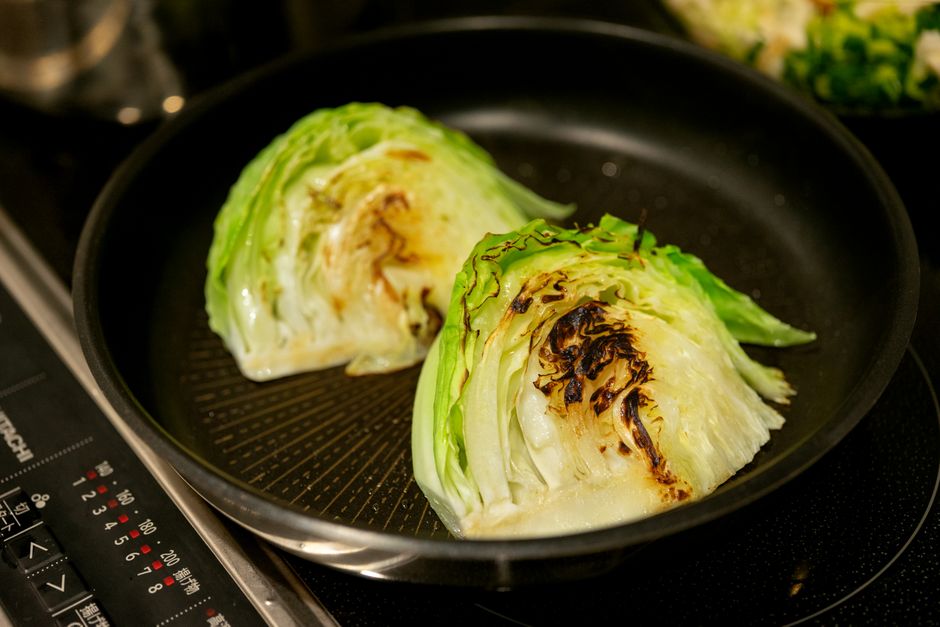
Slicing the cabbage thin and letting it sit undisturbed in the hot skillet gives it real caramelized edges instead of just steaming it limp, and a splash of vinegar stirred in off the heat at the end brightens the whole pan without cooking off.
- Prep
- 10 min
- Cook
- 20 min
- Total
- 30 min
- Servings
- 4
Ingredients
- 8 cups green cabbage, cored and thinly sliced
- 3 tbsp unsalted butter
- 1 medium yellow onion, thinly sliced
- 2 cloves garlic cloves, minced
- 1 tbsp apple cider vinegar
- 1 tsp caraway seeds (optional)
- 3/4 tsp kosher salt
- 1/4 tsp black pepper
Nutrition per serving
- Calories
- 136
- Protein
- 3g
- Carbs
- 14g
- Fat
- 9g
Based on the recipe as written, one serving. Recalculates if you swap an ingredient above. An estimate only, exact values depend on the specific ingredients used.
Need different units or a different yield? Try our Conversion Calculator →
Instructions
- 1Cut the cabbage in half through the core, cut out the tough white core, and slice the remaining leaves crosswise into thin ribbons, about 1/4 inch wide.
- 2Melt the butter in a large skillet or wide Dutch oven over medium heat.
- 3Add the onion and cook, stirring occasionally, for 5 to 6 minutes, until softened and translucent but not browned.
- 4Add the garlic and cook for 30 seconds, stirring, until fragrant.
- 5Add the cabbage in two batches so it doesn't spill over the sides, tossing with the onions, and season with the salt and pepper.
- 6Cook for 10 to 12 minutes, stirring only every couple of minutes, until the cabbage is tender and has browned lightly in spots.
- 7Stir in the caraway seeds, if using, and cook for another minute.
- 8Remove the skillet from the heat and stir in the apple cider vinegar. Taste and adjust the salt and pepper.
- 9Serve warm, straight from the skillet.
Tips & variations
- Cook 2 to 3 strips of chopped bacon in the skillet first and use the rendered fat in place of some or all of the butter for a smokier, richer version.
- Savoy cabbage works in place of green cabbage and cooks slightly faster since its leaves are more tender.
- A peeled, thinly sliced apple added along with the onion gives a sweeter, more German-style dish.
- A pinch of red pepper flakes added with the garlic adds heat without changing the basic flavor.
Storage & reheating
Store cooled cabbage in an airtight container in the refrigerator for up to 4 days. Reheat in a skillet over medium heat with a splash of water or a little extra butter to loosen it back up; microwaving works too but softens the browned edges.
Tips from the Tulo kitchen
- If the skillet feels crowded once the cabbage goes in, don't panic, it cooks down by nearly half its volume within a few minutes as it wilts.
- A wide, shallow skillet browns the cabbage better than a narrow saucepan since more of it makes direct contact with the hot surface at once.
FAQ
Can I use red cabbage instead of green?
Yes, though red cabbage takes a few minutes longer to soften and will tint the butter and onions purple. A splash of vinegar helps keep its color from turning dull gray-blue as it cooks.
Why is my sauteed cabbage watery instead of browned?
This usually means the skillet was overcrowded or the heat was too low, so the cabbage steamed in its own released liquid instead of browning. Cook it in batches if needed and keep the heat at a steady medium.
Is sauteed cabbage keto-friendly?
Yes, a single serving of this recipe has around 8 grams of net carbs, making it a common low-carb stand-in for noodles or rice.
Can I add bacon or sausage to this recipe?
Yes, cook chopped bacon or sliced kielbasa in the skillet first, remove it, cook the vegetables in the rendered fat, then stir the meat back in during the last few minutes.