
Throat Coat Tea Recipe
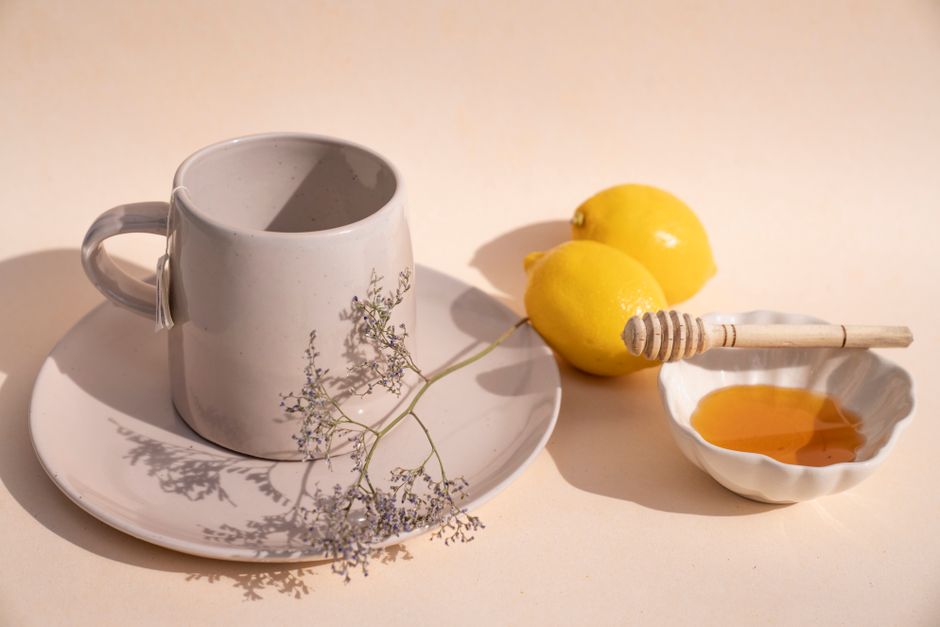
Simmering the roots and bark, rather than just steeping them, pulls out the mucilage in slippery elm and marshmallow root that gives the tea its characteristic soothing, slightly thick texture, while the long simmer also concentrates the licorice root's sweetness so little to no added sugar is needed.
- Prep
- 5 min
- Cook
- 20 min
- Total
- 25 min
- Servings
- 4
Ingredients
- 4 cups water
- 2 tbsp dried licorice root, cut and sifted
- 1 tbsp slippery elm bark, powdered or cut
- 1 tbsp marshmallow root, dried and cut
- 1 tbsp fresh ginger, sliced
- 1 stick cinnamon stick
- 1 tsp dried orange peel
- 1 tbsp honey, to taste
Nutrition per serving
- Calories
- 27
- Protein
- 0g
- Carbs
- 7g
- Fat
- 0g
Based on the recipe as written, one serving. Recalculates if you swap an ingredient above. An estimate only, exact values depend on the specific ingredients used.
Need different units or a different yield? Try our Conversion Calculator →
Instructions
- 1Combine the water, licorice root, slippery elm bark, marshmallow root, ginger, cinnamon stick, and orange peel in a small saucepan.
- 2Bring to a gentle boil over medium-high heat, then immediately reduce the heat to low so the liquid just barely simmers.
- 3Cover and simmer for 15-20 minutes, until the liquid turns deep amber-brown and feels slightly thickened when a spoon is dipped in.
- 4Remove from the heat and let the tea sit, still covered, for another 5 minutes to finish extracting the mucilage from the bark and root.
- 5Strain through a fine-mesh sieve into mugs, pressing on the solids with the back of a spoon to release the last of the liquid.
- 6Stir in honey to taste and drink while hot.
Tips & variations
- Use a fine-mesh sieve lined with a coffee filter or cheesecloth if using powdered slippery elm bark, since the powder passes through a standard tea strainer.
- Add a slice of lemon after straining for extra vitamin C without cooking off its brightness.
- For a stronger tea, double the licorice root and marshmallow root and simmer up to 25 minutes; the tea will taste sweeter and feel thicker.
- Skip the honey and use a pinch of ground turmeric or black pepper instead if avoiding added sugar.
Storage & reheating
Refrigerate strained, unsweetened tea in a sealed jar for up to 4 days. Reheat gently on the stovetop or in the microwave; avoid boiling it again, which can dull the flavor. Add honey fresh to each cup rather than storing it pre-sweetened.
Tips from the Tulo kitchen
- Buying licorice root, slippery elm bark, and marshmallow root from a bulk herb shop rather than pre-packaged tea bags makes a noticeably stronger, more soothing brew for less cost per cup.
- Keep the lid on the saucepan while simmering; a lot of the aromatic steam (and flavor) escapes otherwise.
FAQ
What is throat coat tea made of?
The classic blend is licorice root, slippery elm bark, and marshmallow root, usually simmered rather than just steeped, often with ginger, cinnamon, and orange peel added for flavor.
Can I steep this tea instead of simmering it?
Steeping alone won't fully extract the mucilage from slippery elm bark and marshmallow root, which is what gives the tea its soothing, slightly thick texture, so a 15-20 minute simmer works much better than a quick steep.
Is throat coat tea safe to drink every day?
Occasional daily use is generally fine for most adults, but licorice root can raise blood pressure with regular long-term use, so people with hypertension or on blood pressure medication should check with a doctor first or use a licorice-free version.
Can I make this tea without licorice root?
Yes. Omit it and add an extra teaspoon of honey plus a bit more ginger; the tea will be less naturally sweet but still soothing from the slippery elm and marshmallow root.