What Are Bitters? (Plus a Homemade Aromatic Bitters Recipe)
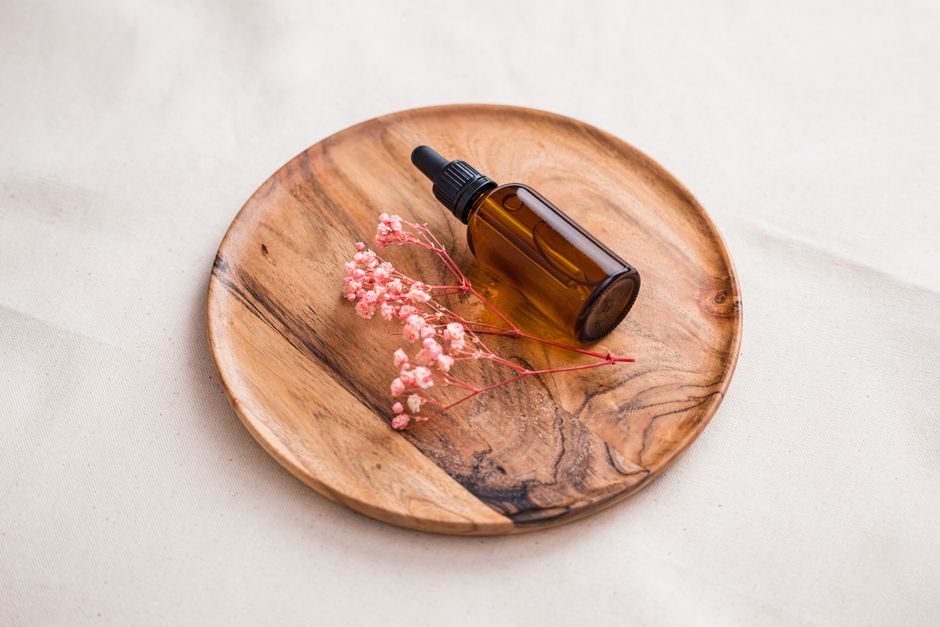
Bitters are essentially a concentrated tincture: dried botanicals like gentian root, citrus peel, and spices are steeped in high-proof alcohol until it pulls out their bitter compounds, essential oils, and color, then the liquid is strained and sometimes lightly sweetened. Because the flavor is so concentrated, a few drops season a whole cocktail (or a glass of soda water) the way a pinch of salt seasons a dish, adding depth and balance without adding real volume of liquid.
- Prep
- 20 min
- Cook
- 14 days
- Total
- 14 days
- Servings
- 16
Ingredients
- 2 cups high-proof vodka or neutral grain spirit (100 proof or higher)
- 2 tablespoons dried gentian root, chopped
- 1/4 cup dried orange peel
- 1 teaspoon whole cloves
- 2 sticks cinnamon sticks, broken
- 1 tablespoon cardamom pods, crushed
- 3 pods star anise, whole
- 2 tablespoons simple syrup
Nutrition per serving
- Calories
- 85
- Protein
- 0g
- Carbs
- 3g
- Fat
- 0g
Based on the recipe as written, one serving. Recalculates if you swap an ingredient above. An estimate only, exact values depend on the specific ingredients used.
Need different units or a different yield? Try our Conversion Calculator →
Instructions
- 1Combine the gentian root, dried orange peel, cloves, cinnamon sticks, cardamom pods, and star anise in a clean, dry 16 oz glass jar with a tight-fitting lid.
- 2Pour the vodka over the botanicals, making sure everything is fully submerged. Seal the jar and shake well.
- 3Store the jar in a cool, dark cupboard for 2 weeks, shaking it once a day to keep the solids from settling.
- 4Strain the liquid through a fine-mesh strainer lined with cheesecloth into a bowl, pressing the solids to extract as much liquid as possible, then discard the spent botanicals.
- 5Strain the liquid a second time through a fresh coffee filter or paper towel to remove fine sediment; this pass is what keeps the finished bitters clear instead of cloudy.
- 6Stir the simple syrup into the strained liquid to soften the sharp edge of the gentian root. Taste with a drop of water and adjust sweetness if needed.
- 7Funnel the bitters into small dropper bottles. Let them rest for another week before using, the flavors continue to round out as they sit.
Tips & variations
- Swap the orange peel for grapefruit or lemon peel for a brighter, more citrus-forward bitters that works well in gin cocktails.
- Add a small piece of dried chile or a few black peppercorns for a spicier variation suited to whiskey drinks.
- Skip the gentian root for a milder, purely aromatic bitters if the sharp herbal bitterness isn't wanted; the spices alone still make a usable flavoring agent.
- Label bottles with the infusion date; well-sealed bitters made with high-proof alcohol keep improving in flavor for months.
Storage & reheating
Because the alcohol content is high enough to preserve the botanicals, finished bitters don't need refrigeration. Store dropper bottles in a cool, dark cabinet away from direct sunlight, and they'll keep their flavor for a year or more. There's no reheating involved; they're used cold, straight from the dropper, a few drops at a time.
Tips from the Tulo kitchen
- Shake the jar daily during the steeping period rather than letting it sit undisturbed, this keeps the botanicals from clumping at the bottom and steeping unevenly.
- Use a glass jar rather than plastic for the infusion; high-proof alcohol can leach flavors from some plastics over two weeks of contact.
FAQ
What are bitters, exactly?
Bitters are a concentrated flavoring made by soaking roots, barks, seeds, peels, and spices in high-proof alcohol until the liquid absorbs their bitter compounds and aromatics. The resulting tincture is strained and used in tiny amounts, usually a few dashes, to add complexity to cocktails, sodas, or even marinades.
Are bitters alcoholic?
Yes, most bitters are made with a base of 40 to 95 percent alcohol by volume, but because a serving is only a few drops or dashes (well under a teaspoon), the actual alcohol you consume from bitters in a drink is negligible.
Can I substitute one type of bitters for another?
Aromatic bitters like Angostura are the most versatile and can generally sub in for orange or Peychaud's bitters in a pinch, though the flavor will shift toward clove and cinnamon rather than citrus or anise. For a recipe built specifically around orange or celery bitters, a straight swap changes the drink's character noticeably.
How long do homemade bitters last?
Properly made bitters with a high-proof alcohol base and no fresh fruit added are shelf-stable for a year or longer stored in a cool, dark spot; the alcohol content prevents spoilage, so they simply lose some potency and brightness over time rather than going bad.