White Wine Pan Sauce Recipe
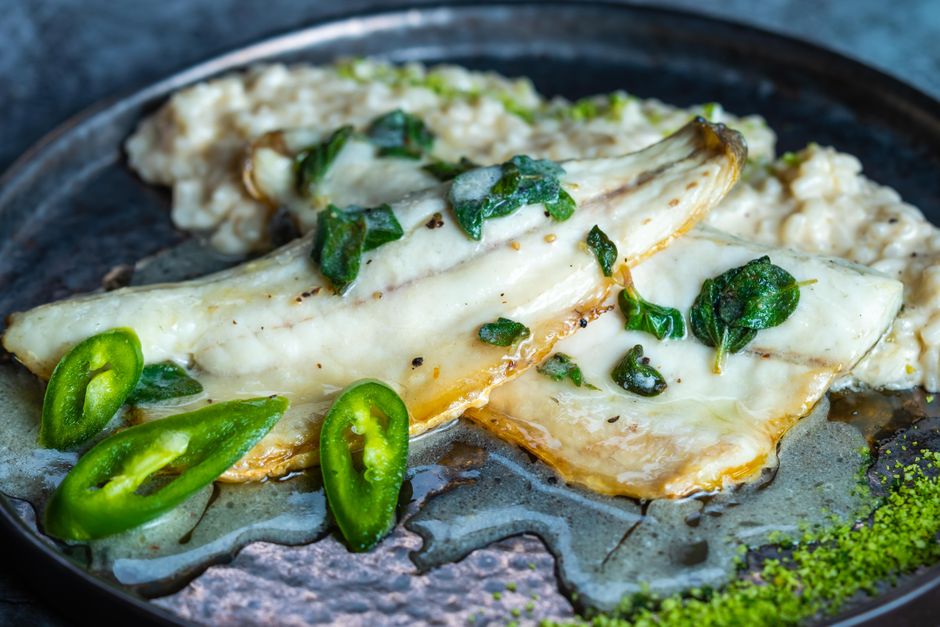
Simmering dry white wine down to a syrupy glaze concentrates its acidity and fruit while cooking off the harsh alcohol bite, and finishing with cold butter turns that reduction into a silky sauce that clings to whatever it's poured over.
- Prep
- 5 min
- Cook
- 12 min
- Total
- 17 min
- Servings
- 4
Ingredients
- 3/4 cup dry white wine (such as Sauvignon Blanc or Pinot Grigio)
- 4 tbsp unsalted butter, divided
- 1 medium shallot, finely minced
- 2 cloves garlic, minced
- 1/2 cup chicken broth
- 1 tbsp fresh lemon juice
- 2 tbsp fresh parsley, chopped
- 1/4 tsp kosher salt
- 1/4 tsp black pepper, freshly ground
Nutrition per serving
- Calories
- 149
- Protein
- 1g
- Carbs
- 3g
- Fat
- 12g
Based on the recipe as written, one serving. Recalculates if you swap an ingredient above. An estimate only, exact values depend on the specific ingredients used.
Need different units or a different yield? Try our Conversion Calculator →
Instructions
- 1Set a skillet over medium heat and melt 1 tablespoon of the butter. Add the shallot and cook, stirring often, for 2-3 minutes until softened but not browned.
- 2Add the garlic and cook for 30 seconds, just until fragrant.
- 3Pour in the dry white wine and raise the heat to medium-high. Simmer, scraping up any browned bits from the pan, until the wine reduces by about half, 4-5 minutes.
- 4Add the chicken broth and continue to simmer until the liquid is reduced to about 1/3 cup total and looks slightly syrupy, another 3-4 minutes.
- 5Reduce the heat to low. Add the remaining 3 tablespoons of butter one piece at a time, swirling the pan constantly so each piece melts into the sauce before adding the next.
- 6Off the heat, stir in the lemon juice and parsley. Season with salt and pepper to taste.
- 7Spoon the sauce immediately over cooked chicken, fish, or pasta; it will start to separate if it sits too long or reheats over high heat.
Tips & variations
- Use a wine dry enough that it's pleasant to drink on its own; sweeter styles like Riesling or Moscato will make the sauce taste cloying once reduced.
- Sauvignon Blanc, Pinot Grigio, unoaked Chardonnay, and dry vermouth all work well here since they're crisp and low in residual sugar.
- For a richer version, stir in 2-3 tablespoons of heavy cream along with the broth in step 4.
- Leftover wine from an opened bottle keeps its cooking usefulness even after it's past its best for drinking; a wine that's turned slightly flat or sharp still reduces just fine.
- Capers or a spoonful of Dijon mustard stirred in at the end turn this into a good match for pan-seared pork chops.
Storage & reheating
The sauce is best used the day it's made since it can separate once refrigerated. If storing, keep it in an airtight container in the refrigerator for up to 2 days and rewarm very gently over low heat, whisking constantly; avoid boiling, which will break the butter emulsion.
Tips from the Tulo kitchen
- Freeze leftover dry white wine in an ice cube tray so small amounts are on hand for future pan sauces without opening a fresh bottle.
- Deglazing the same pan used to sear the chicken or fish adds browned bits (fond) that give the sauce more depth than starting in a clean pan.
FAQ
What counts as a dry white wine for cooking?
A dry white wine has little to no residual sugar, meaning it tastes crisp rather than sweet. Sauvignon Blanc, Pinot Grigio, unoaked Chardonnay, and dry vermouth are all reliable choices; avoid anything labeled semi-sweet, Riesling (unless it's specifically labeled dry), or Moscato.
Should I use bottled 'cooking wine' from the grocery store?
No. Cooking wines sold in the vinegar aisle usually have added salt and preservatives to make them shelf-stable without refrigeration, which throws off the seasoning of a dish. A regular drinking-quality dry white wine gives better, more balanced flavor.
Does the alcohol fully cook off?
Not entirely. Simmering wine for the 5-10 minutes called for in this recipe burns off a significant portion of the alcohol, but some trace amount remains even after extended cooking. For a completely alcohol-free version, substitute an equal amount of chicken broth with a splash of white wine vinegar or lemon juice added at the end for acidity.
Can I make this sauce without wine?
Yes. Replace the wine with additional chicken broth plus 1 tablespoon of white wine vinegar or fresh lemon juice to mimic the acidity, though the flavor will be simpler and less complex.
What's the best inexpensive wine to buy just for cooking?
Any dry white in the $8-12 range that's pleasant enough to drink works well; there's no need to buy an expensive bottle, since heat and reduction change the flavor more than subtle quality differences would.