
What Are Ultra-Processed Foods?
Ultra-processed foods are industrially formulated products made mostly or entirely from substances extracted from foods (like starches, sugars, and oils) plus additives such as emulsifiers, preservatives, and artificial flavors, rather than from whole or minimally processed ingredients.
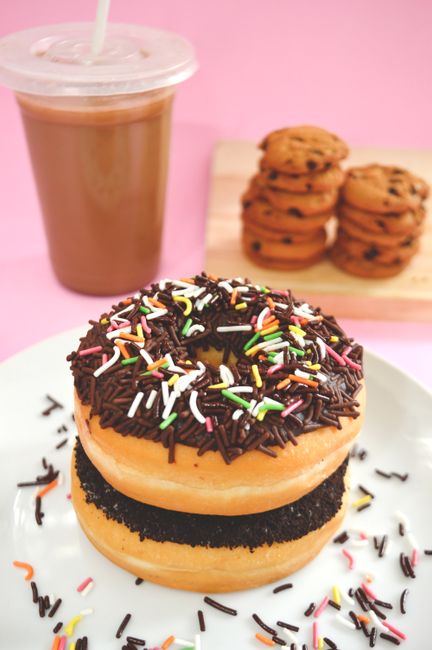
More detail
The term comes from the NOVA food classification system, developed by researchers at the University of São Paulo, which sorts foods into four groups based on the extent and purpose of processing rather than nutrient content alone. Group 1 is unprocessed or minimally processed foods (fresh vegetables, plain yogurt, eggs). Group 2 is processed culinary ingredients (oil, butter, sugar, salt). Group 3 is processed foods, made by adding salt, sugar, or oil to Group 1 foods (canned beans, cheese, fresh bread). Group 4, ultra-processed foods, includes items that typically couldn't be made in a home kitchen: packaged snack cakes, instant noodles, sodas, chicken nuggets, flavored yogurts with stabilizers, and most breakfast cereals. What separates them from simply 'processed' food is the combination of industrial techniques (extrusion, hydrogenation, hydrolysis) and cosmetic additives added to make the product palatable, shelf-stable, and ready to eat with little or no preparation.
Where it's used
The NOVA classification was introduced in 2009 by Brazilian epidemiologist Carlos Monteiro and colleagues as a way to study diet quality beyond just calories, fat, and sugar content. It's since been adopted by the FAO and referenced in dietary guidelines in several countries, including France and Brazil, and is now widely used in nutrition research linking ultra-processed food intake to obesity, type 2 diabetes, and cardiovascular disease.
Substitutes
Swapping a packaged item for its home-cooked equivalent, like making granola from oats and honey instead of buying a bar with added emulsifiers and flavoring agents, moves a food from Group 4 back toward Group 1 or 2 without necessarily changing its basic nutrition facts panel much.
FAQ
Is all packaged food ultra-processed?
No. Canned tomatoes, frozen vegetables, and bagged pre-washed lettuce are packaged but fall into Group 1 or Group 3 under NOVA because they're not reformulated with industrial additives, just preserved or lightly prepared.
Can a food be ultra-processed and still look healthy on the label?
Yes. Many protein bars, meal replacement shakes, and low-sugar flavored yogurts qualify as ultra-processed because they rely on isolated proteins, gums, and artificial sweeteners even though their nutrition panels show high protein or low sugar.
Is ultra-processed the same as high in calories or fat?
Not necessarily. The NOVA classification is based on processing method and ingredient list, not calorie or fat content, so a low-calorie diet soda and a calorie-dense candy bar can both be classified as ultra-processed.
What's an easy way to tell if something is ultra-processed?
Check the ingredient list: if it includes items you wouldn't find in a home kitchen, such as maltodextrin, mono- and diglycerides, hydrolyzed protein, or artificial flavoring, it's very likely ultra-processed.