
What Is Boba?
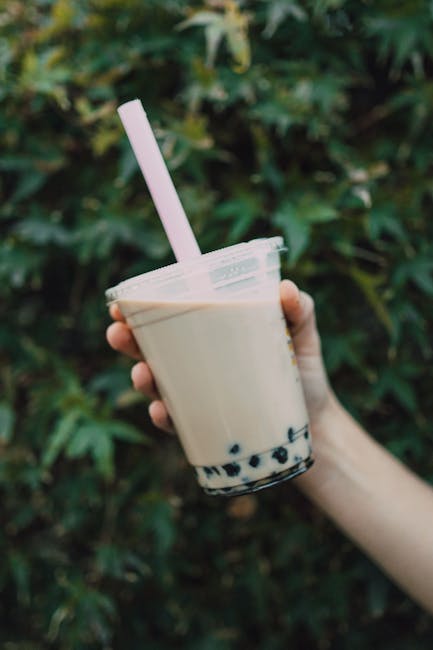
Boba are chewy, round pearls made from tapioca starch, most often dyed dark brown or black, that sit at the bottom of bubble tea and get sucked up through a wide straw.
More detail
Boba originated in Taiwan in the 1980s and are made by mixing tapioca starch with hot water into a dough, rolling it into small balls, then boiling and simmering them until they turn soft, dark, and chewy. Raw pearls start off pale and hard, but cooking and soaking in a sugar syrup (usually brown sugar or dark syrup) gives them their glossy black-brown color and slightly sticky, gummy texture. The name "boba" technically refers to the pearls themselves, though it's often used interchangeably with the drink they're served in, which is more accurately called bubble tea or pearl milk tea. Cooked boba have a short shelf life at room temperature, generally a few hours, since they harden and lose their chew once they cool.
Where it's used
Boba are added to milk tea, fruit teas, and slushes, usually soaked in simple syrup first so they stay sweet and soft, then scooped into the bottom of a cup before the drink is poured over ice. They're eaten by sucking them up through the extra-wide straws that bubble tea shops use specifically for this purpose.
Substitutes
Popping boba, made with a gel-like fruit juice shell instead of tapioca, can stand in for texture but bursts instead of chewing, so it's not a true substitute if the recipe depends on classic tapioca chew.
FAQ
What are boba pearls made of?
Traditional boba pearls are made from tapioca starch, which comes from the cassava root, mixed with water and often brown sugar or caramel coloring for the classic dark color.
Why do boba pearls turn hard?
Cooked tapioca pearls firm up as they cool because the starch re-hardens once it drops below serving temperature, which is why boba shops cook small batches and hold them in warm syrup rather than refrigerating them.
Is boba the same as popping boba?
No. Classic boba is chewy tapioca that you bite through, while popping boba has a thin gel skin filled with juice that bursts in your mouth instead of chewing.
How long does cooked boba last?
Cooked tapioca pearls are best eaten within 4 to 6 hours of cooking, since they lose their chewy texture and become stiff once they sit too long, even when kept in syrup.