
What Is Chicha? Peru's Traditional Fermented Corn Drink
Chicha is a mildly alcoholic, fermented corn beverage traditional to Peru and other Andean countries, most commonly made as chicha de jora, which is brewed from jora, a type of maize that's been sprouted, dried, and ground before fermenting.
More detail
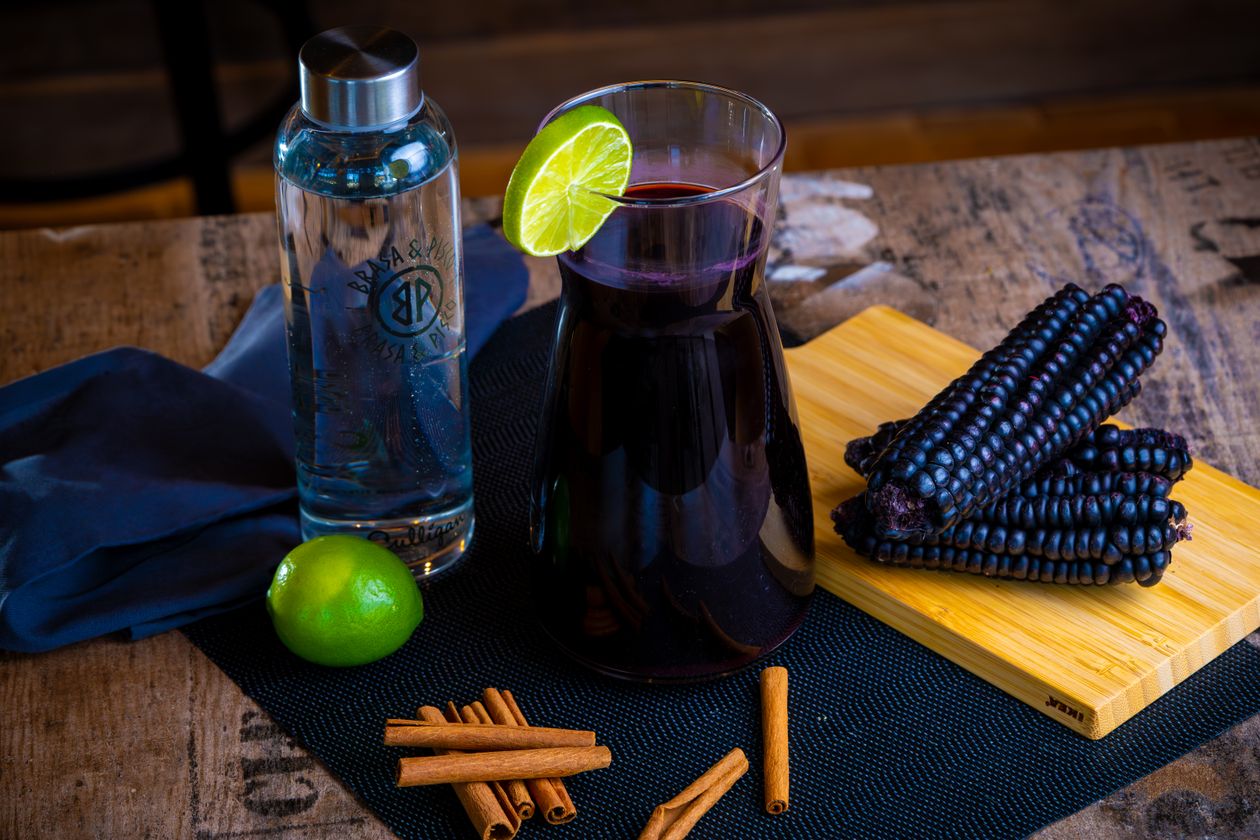
Chicha de jora starts with dried corn kernels that are soaked and left to germinate, a process that converts starches into fermentable sugars. Once sprouted, the corn is dried again, ground, and boiled into a thick liquid that ferments for several days to a couple of weeks, depending on the strength and sourness desired. The result is a tangy, low-alcohol drink (typically 2 to 6 percent ABV) that ranges in color from pale straw to deep reddish-purple, the latter made with purple corn and often called chicha morada when it's the non-alcoholic, sweetened version instead. Traditional fermented chicha is cloudy, slightly fizzy, and tastes somewhere between sour beer and fermented apple cider.
Where it's used
Chicha predates the Inca Empire by thousands of years and was used in religious ceremonies, harvest celebrations, and as an offering poured onto the earth for Pachamama, the Andean earth goddess, before anyone drank it themselves. In rural highland communities, households that sell homemade chicha still mark their doorways with a chuyo, a stick topped with a red plastic bag or flag, signaling to passersby that fresh chicha is available inside, a custom carried over from older cloth-banner traditions in chicherías (chicha taverns). It remains a fixture of agricultural labor exchanges called minka, where chicha is passed around to workers as both refreshment and a gesture of communal reciprocity, and it's poured in toasts during weddings, Carnival, and the August Pachamama offerings known as pago a la tierra.
Substitutes
There's no real substitute for fermented chicha de jora's sour, effervescent character. For recipes calling for chicha morada (the sweet, non-alcoholic purple corn drink), a mix of grape juice and a pinch of cinnamon and clove can approximate the flavor in a pinch, though it won't replicate the toasted-corn depth of the real thing.
FAQ
Is chicha alcoholic?
Traditional chicha de jora is alcoholic, generally landing between 2 and 6 percent ABV depending on fermentation time. Chicha morada, made from purple corn and boiled rather than fermented, is a separate, non-alcoholic drink despite the shared name.
What does jora corn taste like compared to regular corn?
Jora corn is sprouted before drying, which develops a sweeter, slightly malty flavor similar to the way malted barley tastes different from raw barley. This malting step is what gives chicha de jora its characteristic depth.
Why is chicha sometimes associated with spitting during fermentation?
Some older or more rural chicha-making methods used saliva enzymes to help break down corn starches into fermentable sugar, a technique historically documented among indigenous Andean and Amazonian communities. Most chicha made and sold commercially today relies on natural malting (sprouting the corn) instead.
How long does homemade chicha de jora last?
Once fermented, chicha is typically consumed within a few days to a week, since it continues souring and losing carbonation the longer it sits unrefrigerated.