What Is Cognac?
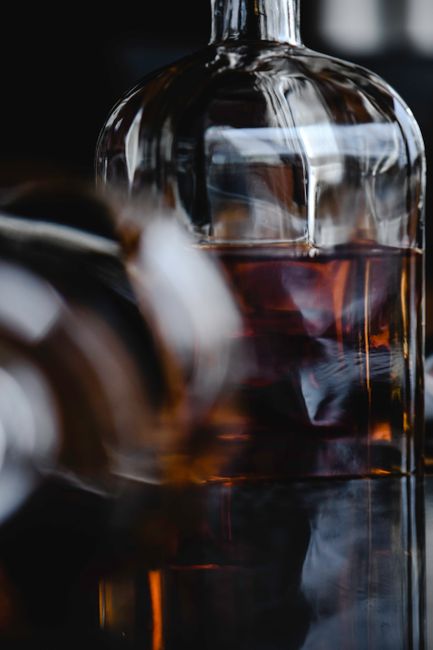
Cognac is a type of brandy made by double-distilling white wine and aging it in French oak barrels for at least two years. It can only be called cognac if it's produced in the Cognac region of France under strict legal rules.
More detail
Cognac starts as a thin, acidic white wine made mostly from Ugni Blanc grapes, a variety that produces poor drinking wine but distills beautifully. That wine is distilled twice in copper pot stills called alembics, which concentrates the alcohol and flavor into a clear spirit. The spirit then ages in barrels made from French oak (usually from the Limousin or Tronçais forests), where it slowly picks up color, tannin, and the vanilla and dried-fruit notes that define cognac. Aging length determines the grade: VS (Very Special) means at least two years in oak, VSOP (Very Superior Old Pale) means at least four years, and XO (Extra Old) means at least ten years. Production is tightly regulated by French law (an AOC, or Appellation d'Origine Contrôlée), which is why only brandy made in that specific region can legally use the name.
Where it's used
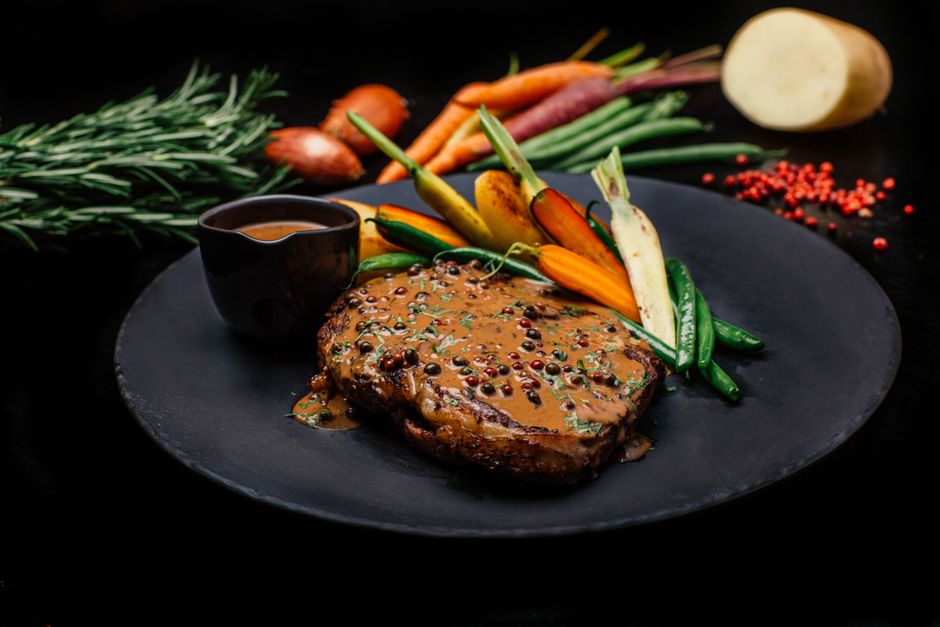
Cognac is sipped neat or on ice as an after-dinner drink, but it also shows up constantly in cooking, particularly in French cuisine. It's used to flambé dishes like steak au poivre and bananas foster, deglaze pans for pan sauces, and add depth to reductions and cream sauces. In cocktails, it's the base of classics like the Sidecar and the Sazerac (in some versions) and shows up in eggnog and mulled drinks around the holidays.
Substitutes
Armagnac, another French grape brandy, is the closest substitute and works well in both cooking and cocktails. A standard, unaged brandy is a fine everyday stand-in for cooking, though it lacks cognac's oak-driven depth. In a pinch, a dry Marsala or dark rum can approximate the flavor in flambé and pan sauce applications, though neither is a true match.
FAQ
Is cognac the same thing as brandy?
All cognac is brandy, but not all brandy is cognac. Brandy is the general category for spirits distilled from wine; cognac is brandy made specifically in the Cognac region of France following strict production rules.
What does VSOP mean on a cognac label?
VSOP stands for Very Superior Old Pale and indicates the youngest brandy in the blend has aged at least four years in oak. It sits between VS (two years minimum) and XO (ten years minimum) in the aging hierarchy.
Can you cook with a cheap cognac?
Yes. For sauces and flambé, an inexpensive VS-grade cognac works fine since the subtle aging notes of pricier bottles get masked by heat and other ingredients. Save the older, more expensive XO bottles for sipping.
Why is cognac made from a grape that isn't good for drinking wine?
Ugni Blanc produces a thin, high-acid, low-alcohol wine that's unpleasant to drink on its own, but those same qualities, high acidity and low sugar, make it ideal for distillation, since it produces a cleaner, more aromatic base spirit.