What Is Espresso?
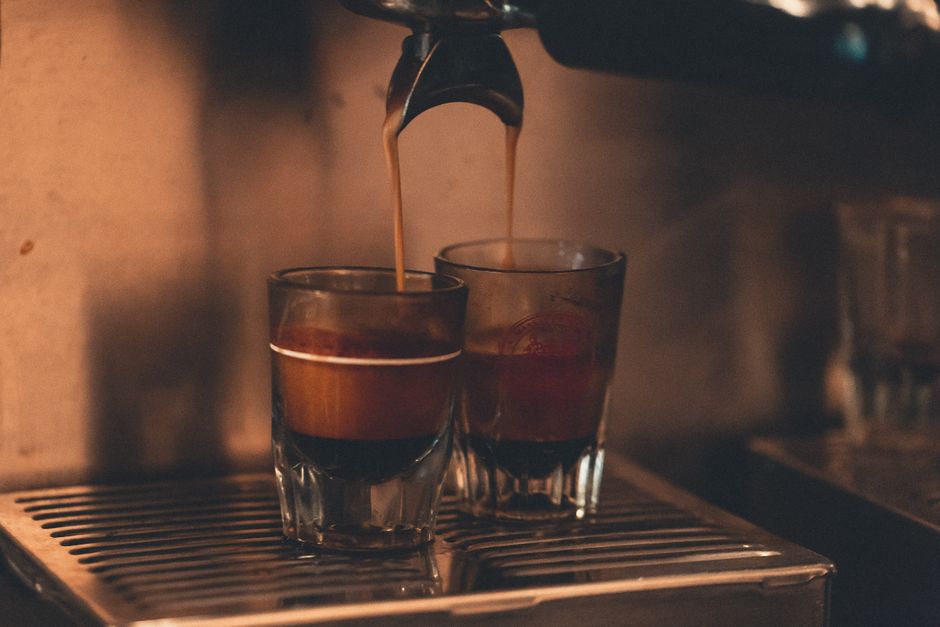
Espresso is a concentrated shot of coffee made by forcing hot water at high pressure through finely ground, tightly packed coffee grounds. A standard single shot is about 1 ounce and takes roughly 25-30 seconds to pull.
More detail
Espresso isn't a bean or a roast level, it's a brewing method. The defining factors are fine grounds, firm tamping, and pressure, typically around 9 bars, generated by an espresso machine. That pressure extracts oils and compounds that drip or filtered coffee methods can't pull out, producing a thicker, syrupy body and a layer of reddish-brown foam on top called crema. Because the coffee is so concentrated, espresso tastes stronger and more intense per ounce than drip coffee, though it actually contains less caffeine per serving than a full cup of brewed coffee.
Where it's used
Espresso originated in Italy in the early 1900s, developed to brew coffee faster for customers. It's the base for nearly every espresso-bar drink: a latte is espresso with steamed milk, a cappuccino adds equal parts steamed milk and foam, an americano dilutes it with hot water, and a macchiato is espresso marked with just a small amount of milk foam.
Substitutes
A strong stovetop moka pot brew is the closest home substitute for espresso's intensity, though it lacks the pressure needed to form true crema. Very strong drip coffee, brewed at double strength, can stand in for espresso in recipes but won't replicate the thick body.
FAQ
Is espresso a type of coffee bean?
No. Any coffee bean can be used to make espresso; it's the fine grind size and high-pressure brewing method that define espresso, not the bean itself.
Does espresso have more caffeine than regular coffee?
Per ounce, espresso has more caffeine, but a standard shot is only about 1 ounce. An 8-ounce cup of drip coffee typically contains more total caffeine than a single espresso shot.
What is crema on espresso?
Crema is the thin, golden-brown foam that forms on top of a properly pulled shot, created by carbon dioxide and oils emulsifying under pressure. Its presence is a sign of fresh, well-roasted beans and correct extraction.
Can you make espresso without an espresso machine?
True espresso requires roughly 9 bars of pressure, which only espresso machines (or high-end stovetop pressurized brewers) can produce. Moka pots get close but don't reach that pressure level.