What Is Horseradish?
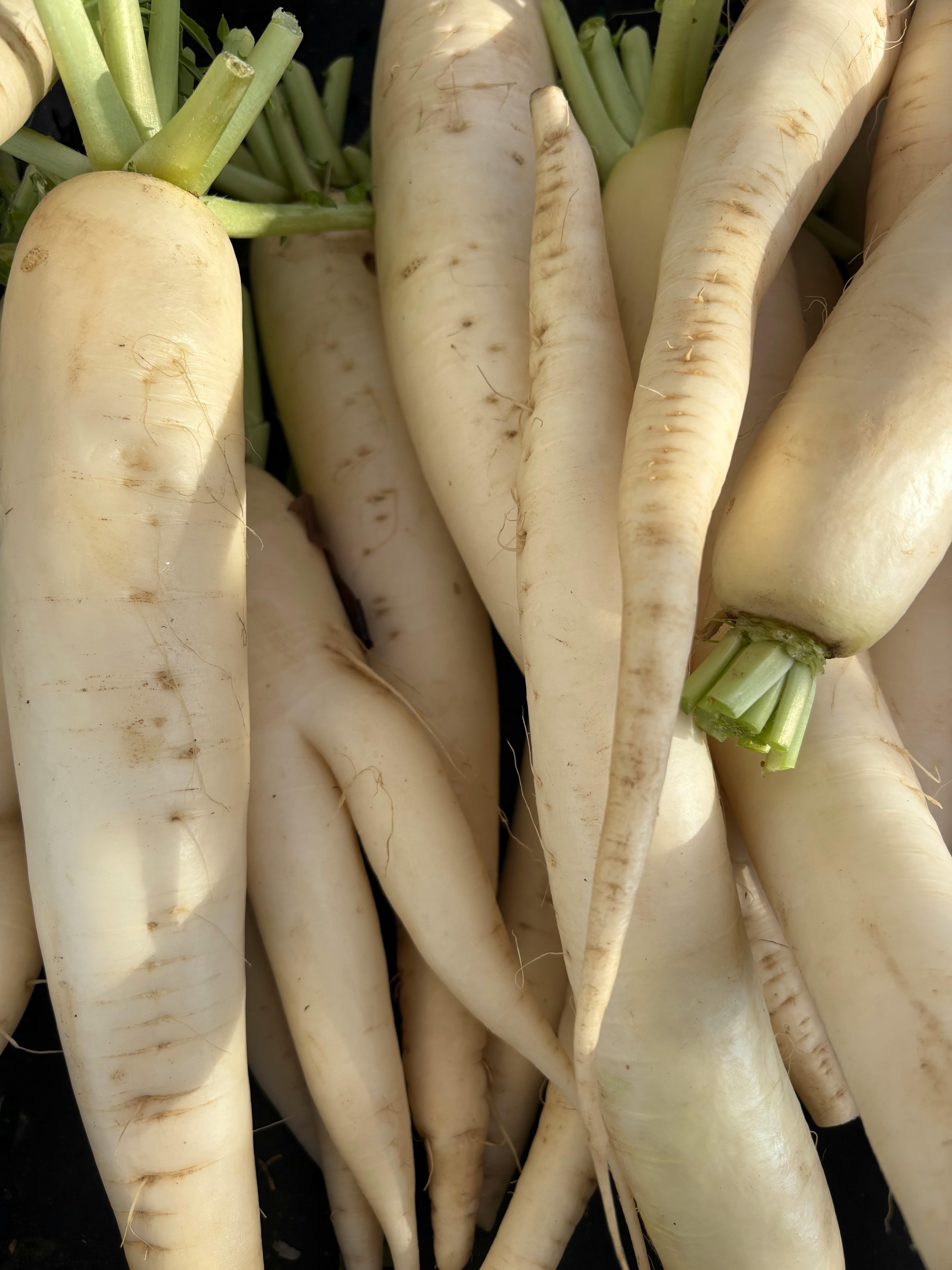
Horseradish is a pale, knobby root vegetable related to mustard, wasabi, and cabbage, prized for its sharp, sinus-clearing heat that's released when the root is grated or crushed.
More detail
The root itself is nearly odorless until it's cut or grated, which ruptures its cells and triggers a chemical reaction that produces volatile mustard oils, the source of horseradish's intense, nose-tingling bite. That heat fades quickly with exposure to air and heat, which is why fresh-grated horseradish is far more pungent than the jarred version and why cooking it mellows it out almost entirely. Prepared horseradish sold in jars is grated root mixed with vinegar to stop the reaction and lock in a milder, more stable heat over time.
Where it's used
Horseradish has been used since antiquity in Eastern Europe and is now most familiar as a condiment for roast beef and prime rib, stirred into cocktail sauce for shrimp, blended into creamy horseradish sauce, and mixed into Bloody Mary cocktails. It's also a traditional bitter herb on the Passover seder plate.
Substitutes
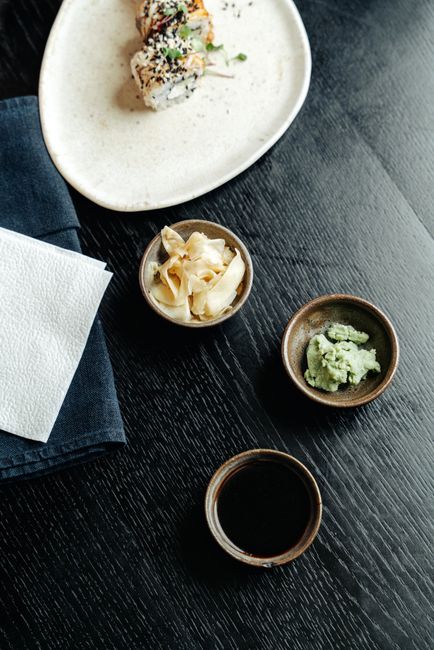
Prepared white horseradish from a jar (drained) can substitute for fresh grated horseradish in most recipes, though it's noticeably milder; wasabi paste is the closest substitute in flavor and heat if horseradish isn't available.
FAQ
Is horseradish the same as wasabi?
No, though they're closely related plants with similar chemistry. Most wasabi sold outside Japan is actually dyed horseradish and mustard powder, since real wasabi root is expensive and hard to source.
Why does horseradish lose its heat so quickly?
The compounds responsible for its sharpness are volatile and break down when exposed to air, heat, or acid, which is why fresh-grated horseradish should be used within minutes and jarred horseradish loses potency the longer it's open.
Can you cook with horseradish?
Yes, but heat destroys most of its pungency, so it's typically added raw or stirred in at the very end of cooking, such as folding grated horseradish into mashed potatoes or a warm cream sauce right before serving.
How do you store fresh horseradish root?
Wrap the unpeeled root tightly in a paper towel and plastic, and refrigerate; it keeps for several weeks and can also be peeled, grated, and frozen for longer storage.