What Is Lard?
Lard is rendered (melted down and purified) pork fat, used as a cooking fat and, especially, as a shortening in baking.
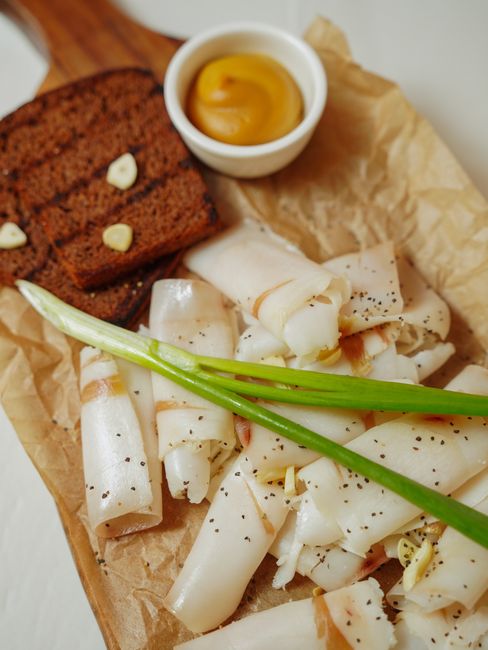
More detail
Different cuts of pork fat render into lard with different qualities, leaf lard, rendered from the fat around the kidneys, is the mildest-tasting and most prized for baking, while fat from other parts of the pig renders into a more flavorful, porkier lard better suited to savory cooking.
Where it's used
A dominant cooking fat across many cuisines for centuries before vegetable shortening and oils became widely available and marketed as healthier alternatives in the 20th century. It's seen a resurgence among bakers specifically for its effect on pastry texture.
Substitutes
Vegetable shortening substitutes 1:1 by volume, though pastry made with it will be slightly less flaky and flavorful than one made with lard.
FAQ
Why does lard make pie crust flakier than butter?
Lard has a larger fat crystal structure and a higher melting point than butter, which creates larger, more distinct layers in the dough as it bakes, many bakers use a mix of both for lard's flakiness and butter's flavor.
Is lard the same thing as shortening?
No, lard is rendered animal (pork) fat, while shortening is a manufactured, typically hydrogenated vegetable fat. They behave similarly in baking but come from entirely different sources.