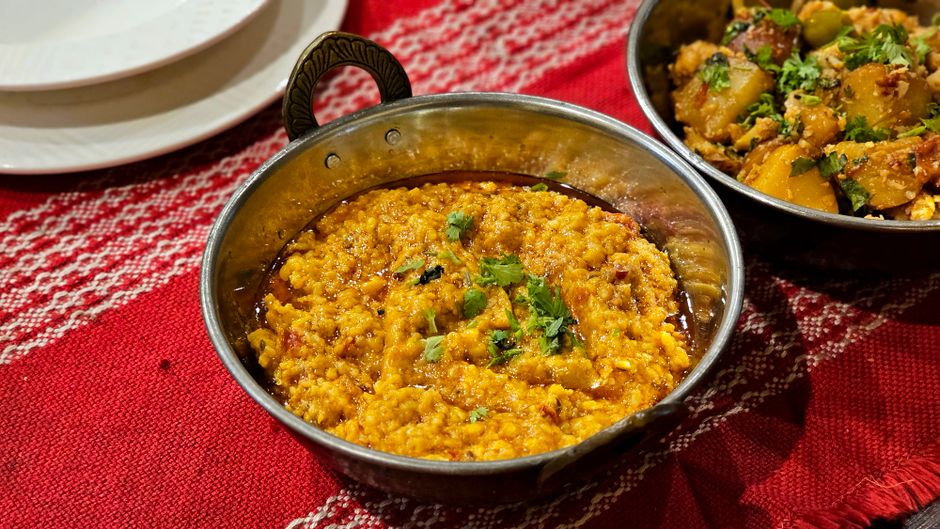
What Is Porridge?
Porridge is a soft, spoonable dish made by simmering ground or whole grains, most often oats, in water or milk until they soften and thicken into a warm, creamy cereal.
More detail
Porridge is one of the oldest cooked foods, made simply by cooking grains slowly in liquid until they break down and absorb it, thickening the mixture into a spoonable consistency. While oatmeal is the most familiar version in the U.S. and UK, porridge is a broad category that includes dishes made from rice, cornmeal, millet, barley, wheat, and other grains, each with regional names and traditions. The texture ranges from thin and pourable to thick enough to hold a spoon upright, depending on the grain-to-liquid ratio and how long it cooks.
Where it's used
Porridge has been a staple breakfast and everyday meal across nearly every culture with access to grain, from oatmeal in Scotland and England, to congee in China, cream of wheat in the U.S., grits in the American South, and cornmeal-based mielie pap in southern Africa. It's typically eaten sweet with milk, sugar, or fruit, or savory with butter, cheese, eggs, or broth, depending on the region and the grain used.
Substitutes
If a recipe calls for a specific grain porridge and it's unavailable, rolled oats can generally stand in for cracked wheat or cornmeal-based porridges with a shorter cook time and a softer, less grainy texture.
FAQ
Is oatmeal the same as porridge?
Oatmeal is a specific type of porridge made from oats. Porridge is the broader term and can be made from other grains like rice, corn, or wheat.
What's the difference between porridge and gruel?
Gruel is a thinner, more watery version of porridge, historically cooked with less grain and more liquid, often associated with subsistence rather than a hearty meal.
Can porridge be made without dairy?
Yes, porridge is traditionally cooked in water and dairy is optional. Water-based porridge has a lighter texture, while milk adds creaminess and richness.
Why does porridge get gluey or gummy?
Overcooking or stirring too vigorously releases excess starch from the grains, which can make porridge turn pasty. Cooking at a gentle simmer and stirring only occasionally helps keep the texture creamy rather than gluey.